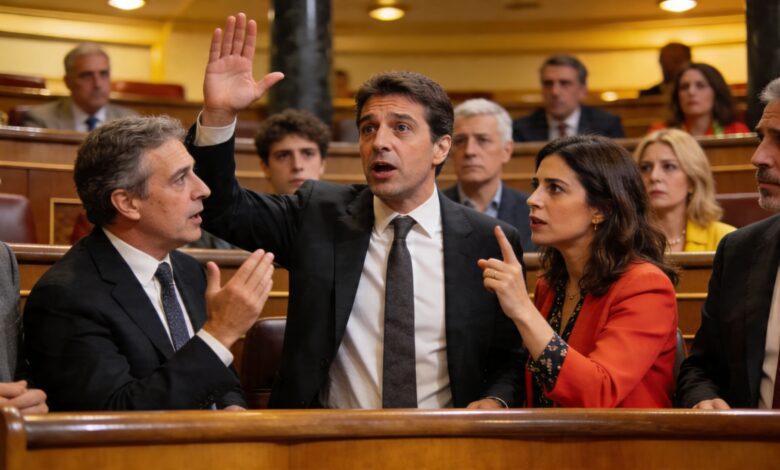
The timing of general elections in Spain has once again come under the spotlight following statements from the country’s leading political commentators. Pedro Sánchez’s decision not to call early elections and to serve out his term until 2027 is already raising concerns among experts and journalists. For Spaniards, this means that the political tension observed in recent years may only intensify, with the impact of this choice affecting not just politicians but everyday life as well.
The situation is further complicated by a series of regional elections set to take place in Spain over the coming months, traditionally accompanied by heated debates and growing public discontent. As El Huffington Post notes, this dynamic could result in the country entering a state of permanent political mobilization. With elections having been relatively infrequent over the past two years, anticipation of new campaigns is only fueling a climate of uncertainty.
Implications for society
According to Vicente Vallés, anchor of Antena 3 Noticias 2, if the current president decides not to call early elections, social tensions could surpass those of previous years. He points out that over the past two years, Spain has already faced significant political conflicts, and the situation could intensify further in the next two years. This is not only due to inter-party rivalry, but also to the impact of political decisions on the economy, social policy, and public trust in government institutions.
Vallés also notes that the media and journalists are forced to adapt to the changing political landscape. Each new electoral cycle influences editorial work, holiday schedules, and even the structure of news broadcasts. As El Huffington Post reports, these changes affect not just politicians, but everyone involved in covering events across the country.
Risks of prolonged instability
Experts warn that delaying elections could lead to growing dissatisfaction across different social groups. When political decisions are made in a climate of constant confrontation, the risk of new protest movements and increased radical sentiments rises. Analysis by russpain.com points out that similar developments have already been seen in other regions of the country, where prolonged political crises resulted in decreased trust in authorities and more street demonstrations.
The impact of political instability is also felt in other areas. For example, in Catalonia, recent changes in the sick leave system have sparked heated debates among medical professionals and patients, which were covered in detail in the article about the new rules for issuing sick leave. Such reforms often become the subject of political disputes, further escalating tensions.
Looking ahead
In the coming years, Spain may face new challenges, particularly the need to balance stability with democratic procedures. Pedro Sánchez’s decision not to call early elections has already sparked lively debates in society and among experts. Many fear that a prolonged political struggle will lead to further division and complicate the decision-making process at the national level.
In recent years, Spain has repeatedly faced situations where political uncertainty led to mass protests and growing public discontent. For instance, in 2019, lengthy government formation negotiations concluded only after repeat elections. Similar trends have been observed in other European countries, where protracted political crises have undermined trust in authorities and fueled the rise of street demonstrations. When society is eager for change, any delay in holding elections can become a catalyst for new waves of discontent and protest.