Ángel Collado, mayor of Bédar, personally warned residents as a wildfire struck. Twelve people died near the village. The incident marks the most severe crisis in the town’s recent history.
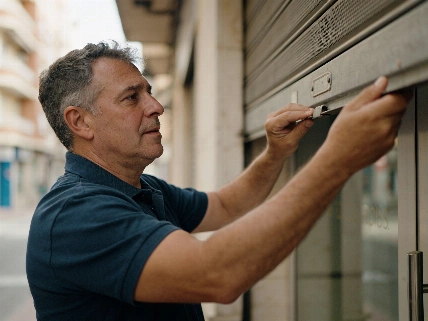
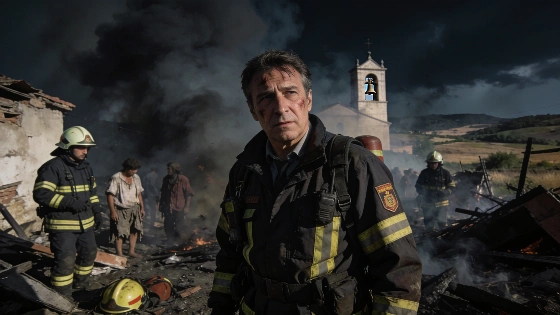
A devastating wildfire in the Almería municipality of Bédar has left at least twelve people dead, making it the most severe tragedy the town has faced in decades. As flames approached on Thursday afternoon, mayor Ángel Collado, who has led Bédar since 2003, took the extraordinary step of going door to door with his council team and the town’s only police officer to urge residents to evacuate immediately. The urgency was underscored by the ringing of church bells, a traditional signal that quickly spread the alarm through the community.
Collado, 56, has deep roots in Bédar and has consistently won elections by absolute majority. Yet, he admitted that nothing in his long tenure prepared him for the scale of this disaster. The fire, which originated near Los Gallardos, claimed twelve lives—most found in vehicles on rural roads, apparently trapped while trying to escape the advancing flames. The initial discovery of four bodies in cars was followed by the grim finding of eight more along another route, highlighting the chaos and danger as the fire spread.
Throughout the crisis, Collado’s phone rang constantly. In the midst of coordinating the emergency response, he inadvertently missed a call from King Felipe VI, only realizing later who had tried to reach him. The king called back to express concern for the town and to commend Collado’s efforts, a gesture that briefly lifted the mayor’s spirits during an otherwise harrowing day. The royal family’s connection to Bédar is not new; Queen Sofía had previously shown support during a 2012 fire and subsequent flood that also forced evacuations in the region.
For Collado, the tragedy is personal. He describes himself as “Bédar through and through,” having never lived elsewhere. His ties to the community are reinforced by daily interactions with residents, many of whom he knows by name. In small towns like Bédar, he notes, the mayor’s role extends far beyond politics—serving as confidant, counselor, and problem-solver for neighbors. Political divisions are less pronounced here, with local leaders from different parties, such as Rosa María Cano of nearby Mojácar, expressing mutual respect and a shared commitment to their communities.
Before entering politics, Collado ran a workshop building brick-making machinery in Los Gallardos, the very area now associated with the fire. He began his public service as a councilor in 1991 and became mayor in 2003 after his predecessor fell ill. Despite initial reluctance due to family and work obligations, he accepted the role and has since become a fixture in local leadership.
The aftermath of the fire has mobilized dozens of people working to restore safety and allow residents to return home. Collado remains at the center of these efforts, balancing the demands of crisis management with the emotional toll of loss in a close-knit community. The incident has drawn national attention, with authorities and the public seeking answers about how so many lives were lost despite rapid local action. The tragedy in Bédar echoes other recent disasters in the region, such as the deadly wildfire in Los Gallardos that also resulted in multiple fatalities, as detailed in this related report on the Los Gallardos wildfire.
Wildfires remain a persistent threat in southern Spain, particularly during periods of extreme heat and drought. Rural communities like Bédar often face unique challenges in emergency response due to limited resources and difficult terrain. The events in Bédar highlight the importance of local leadership and rapid communication in crisis situations, as well as the ongoing need for effective evacuation planning in vulnerable areas. As recovery efforts continue, the focus remains on supporting survivors and preventing future tragedies of this scale.