Morocco votes on 23 September as Spain keeps watch on the Ceuta and Melilla borders. Rabat is under pressure after the July crisis and new calls to cross have appeared on social media.
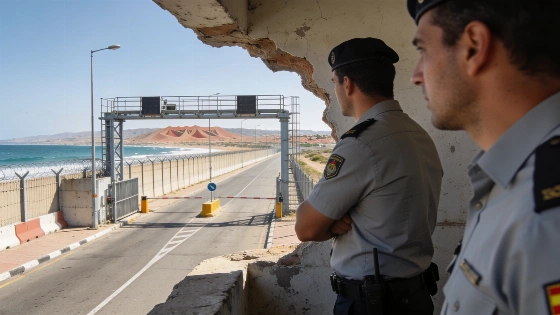
Ceuta and Melilla have tightened security as Morocco votes this Wednesday. The election comes after the migration crisis that brought a mass arrival to Ceuta in late July. New calls to cross the border have circulated on social media for election day. Spanish authorities want to avoid a repeat while Rabat holds its legislative elections.
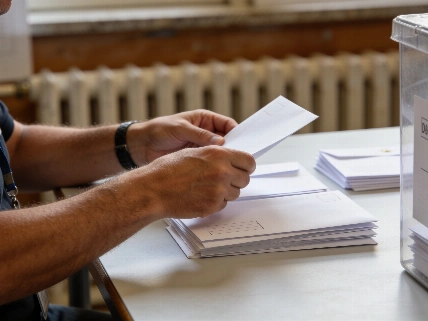
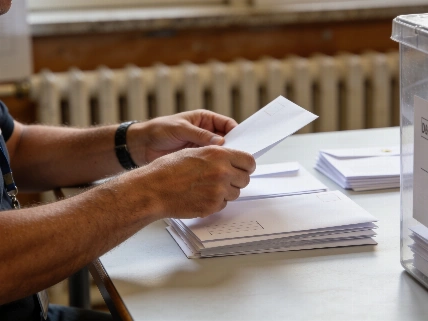
The ballot will decide the 395 members of Morocco's Chamber of Representatives. A total of 15,801,162 voters are registered. Another 1,850 lists have been submitted, with 7,288 candidates competing for seats.
The election involves 27 political parties, according to Morocco's official election summary, underscoring the breadth of the parliamentary contest.
The figures show the scale of the contest. They also point to a clear generational gap. Voters aged between 18 and 24 make up only 4% of the registered electorate. That small share shows how far part of Morocco's young population is from institutional politics.
For Spain, the election is tied to more than Morocco's domestic politics. Surveillance has increased at the border, and Madrid and Rabat are in active diplomatic contact. Foreign Minister José Manuel Albares has said Morocco committed itself to doing everything necessary to prevent another mass entry.
Albares has also discussed the migrants who remain in Ceuta with his Moroccan counterpart, Nasser Bourita. The talks follow Pedro Sánchez's acknowledgement that Moroccan border control failed during the July crisis. Spain has asked Rabat for explanations and responses.
On 30 July, more than 70,000 people were reportedly involved in attempts to reach Ceuta. Most were returned to Morocco, while thousands remained in Ceuta, adding to the sensitivity of the border issue during the election period.
Spain has backed those demands with physical measures. The Interior Ministry has begun procedures to extend the El Tarajal breakwater. It also plans to replace the existing floating barrier with a permanent beaconing system. The work is planned and has not been completed.
Spanish authorities and the Spanish embassy in Morocco have also issued warnings about irregular entry into Ceuta or Melilla. Such entry does not give people the right to remain in Spain, reach the mainland or move freely through the European Union. The warnings were part of an effort to deter new crossings after fresh calls appeared on social media.
Morocco's wider political stance is also drawing attention. Its foreign policy was examined in an earlier report that focused on Nasser Bourita's position over Western Sahara.
Morocco's official Maroc.ma summary says 29% of registered voters are over 60. It also says 55% live in urban areas and 45% in rural areas. The registered electorate is about 2.18 million smaller than in 2021. That is a decline of slightly more than 12%, adding to questions about turnout and political mobilisation.
For Spain, the direct link is between Morocco's internal political moment and security at the Ceuta and Melilla crossings. The size of the electorate and the number of competing lists show a large election operation. The low share of young voters points to a weaker connection with the institutions being renewed.
Madrid is following two tracks. It is keeping up diplomatic contact with Rabat and tightening control of the frontier. The failure in July has made border management the practical test of this election period. In Spain, Morocco's vote will be judged by the parliamentary result and by whether the promise to prevent another mass entry is reflected at the crossings.