Covid is currently the most common respiratory virus detected in Spain. Flu cases are nearly three times higher than last year, while bronchitis and bronchiolitis are also increasing.
Covid is currently the most common respiratory virus detected in Spain. September has brought people back to workplaces and classrooms, increasing close contact indoors. Almost 17% of analysed samples have tested positive. Flu circulation is also nearly three times higher than it was during the same period last year.
The figures do not point to an epidemic at this stage. They do show that the autumn respiratory season has started in two different ways. Coronavirus circulation is below last year's level, while influenza is gaining ground ahead of its usual winter peak.
Regional figures are not moving in the same direction. In Galicia, consultations for Covid rose by 59.3% in the week to 13 September, while consultations for flu fell by 11%.
Data from the Acute Respiratory Infection Surveillance System (SiVIRA), run by the Instituto de Salud Carlos III and the Ministerio de Ciencias, put Covid incidence at 25.6 cases per 100,000 inhabitants in the week of 7-13 September. A week earlier, the rate was 35.1 cases per 100,000.
The highest rates are being recorded among babies under one year old and people over 80. SiVIRA also recorded 261.1 acute respiratory infection cases per 100,000 in primary care. The Covid rate in that setting was 11.3 per 100,000.
For most patients seen in primary care, the illness remains mild.
Madrid primary-care doctor Antonio Cabrera says the coronavirus has changed through successive mutations. He says population immunity from previous infections and vaccination has reduced its severity compared with earlier years. Doctors are treating most cases in primary care rather than sending patients to hospital, he says.
Spain’s Ministry of Health is scheduled to begin the autumn flu and Covid vaccination campaign on 28 September 2026. The first priority is residents of care homes and people in institutions for those with disabilities, followed by other vulnerable groups.
Flu is taking a less reassuring path. Its presence in September samples is almost three times higher than in the equivalent period of 2025. Epidemiologists expect influenza and other respiratory infections to rise more sharply when the weather turns colder.
In the SiVIRA summary, influenza-like illness stood at 10.2 cases per 100,000. The share of positive flu tests rose to 8.2%. Activity was still classified as baseline and remained below the epidemic threshold. Nacho de Blas expects the likely acceleration around mid-November. He says the coming weeks are a suitable time to consider vaccination because its protection has a cumulative effect.
People can pass on the virus without developing symptoms. De Blas says some people remain asymptomatic while continuing to infect those nearby. That allows transmission to continue through groups that appear healthy.
The pattern matters as families return to schools and workplaces and spend more time indoors.
The pressure is also visible among young children. Bronchitis and bronchiolitis cases in children under five rose by about 16% in a single week. Respiratory syncytial virus (RSV), one of the main causes of bronchiolitis in babies, is barely circulating at present.
These infections are also affecting people over 80 who live in care homes. Levels remain below the epidemic threshold. Regional surveillance shows how uneven the picture is. In Galicia, overall consultations for acute respiratory infections rose by almost 7% in the week to 13 September. Total respiratory-virus positivity was around 14.4%, while flu activity remained at baseline.
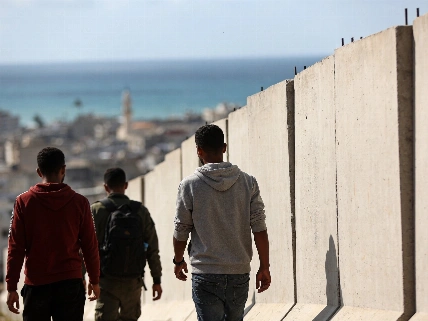
September has brought other alerts in Spain as well, including an earlier Ceuta report. The respiratory data point to a different practical concern: stopping routine contact from becoming avoidable transmission.
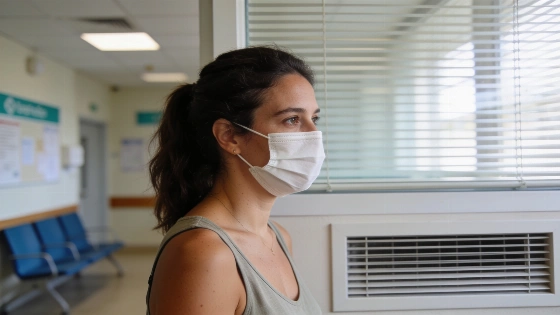
The recommended response is simple. Wash hands often. Ventilate enclosed rooms. Test and use a mask when symptoms appear. These steps can reduce exposure, especially around babies, older people and vulnerable patients.
De Blas also highlights vaccination for children and young people and for those over 60. Regional authorities are seeking higher coverage among older adults. Galicia has set a target of 75% for people aged 60 and over.
Spain is not facing an epidemic according to the available figures. The numbers still do not justify complacency. Covid remains the leading detected virus. Flu is building earlier than last year, and childhood respiratory cases are rising.
The World Health Organization's global weekly update did not identify a sharp rise in SARS-CoV-2 activity. Flu positivity worldwide remained close to 10%. For now, primary care is handling mostly mild Covid cases. Prevention and vaccination should begin before colder weeks increase transmission and hospital pressure.