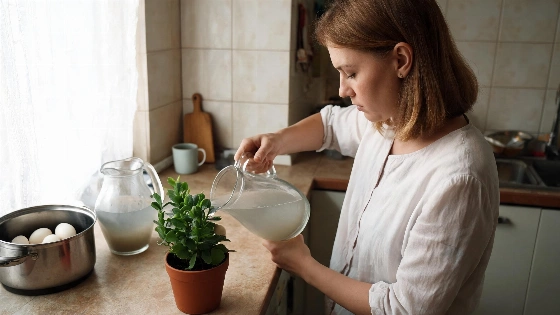
Peeling hard-boiled eggs without damaging the whites is a common kitchen challenge. Spanish chefs now recommend adding vinegar and salt to the cooking water for cleaner, easier results. Here’s how this method works and why it’s gaining attention.
Peeling hard-boiled eggs often turns into a frustrating task, especially when the shell clings to the egg white and ruins the appearance of dishes like salads or stuffed eggs. To address this, several Spanish chefs have started recommending a straightforward solution: add vinegar and salt to the boiling water.
The method is precise. For every liter of water, chefs suggest mixing in 15 ml of vinegar and 10 grams of salt before cooking. This combination, they explain, helps the shell separate more easily from the egg, leaving the surface smooth and intact.
The Science Behind the Method
According to culinary professionals, vinegar introduces acetic acid into the water. If a small crack forms during boiling, this acid helps the egg white coagulate more evenly, preventing leaks and making the egg less likely to stick to the shell. Meanwhile, salt reduces the bond between the inner membrane and the shell, so the shell comes off in larger, cleaner pieces.
Step-by-Step: How to Boil and Peel Eggs Easily
Start by placing the eggs in a pot of cold water. Add the recommended amounts of vinegar and salt. Gradually bring the water to a boil, then cook the eggs for 7 to 11 minutes, depending on their size and how firm you want the yolk. Smaller eggs need less time, while larger ones may require a few extra minutes.
Once the eggs are cooked, transfer them immediately to cold water or an ice bath. This stops the cooking process and makes peeling easier. When the eggs are cool, gently tap them on a hard surface and roll them under your palm to create small cracks all over the shell. Begin peeling from the end with the air pocket—usually one tip of the egg—where the membrane lifts away more easily.
Does It Affect the Taste?
Chefs note that, when used in the recommended quantities, vinegar and salt do not alter the flavor of the eggs. Their sole purpose is to improve the peeling process, especially when preparing multiple eggs for recipes that require a clean presentation.
Extra Tips for Consistent Results
For best results, use eggs that are a few days old rather than extremely fresh, as slightly older eggs tend to peel more easily. Also, avoid overcooking, which can make the whites rubbery and the yolks grayish. Following these steps, as highlighted by Spanish chefs and reported by Talent24h, can make a noticeable difference in everyday cooking.