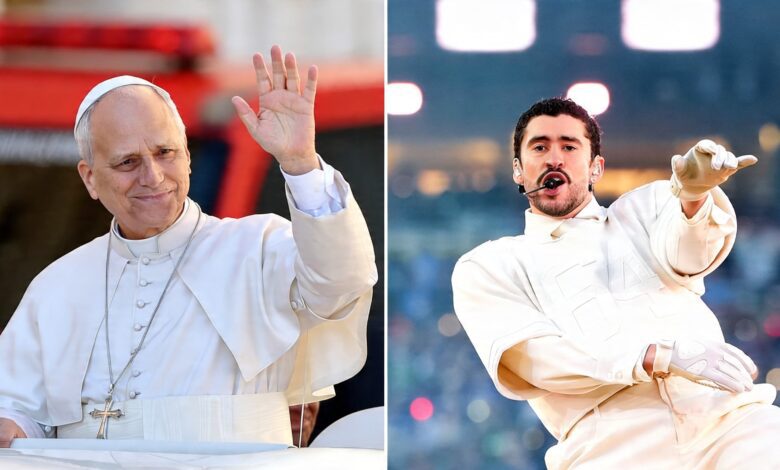
In early June, Madrid will be in the spotlight due to two major events taking place simultaneously at the same location. During these days, the Spanish capital will host both hundreds of thousands of pilgrims arriving to meet the Pope and fans of Bad Bunny filling the Metropolitano stadium. This overlap of interests and audiences is creating a unique situation for the city, where hotels are already nearly fully booked and the cost of accommodation and services is sharply increasing. For residents and businesses, this means not only economic opportunities but also serious challenges for the city’s infrastructure.
According to El Pais, the first major event with the Pope will be held on June 6 near Bernabéu, while at the same time Bad Bunny will perform at Metropolitano. Both events are expected to attract hundreds of thousands of people, leading to record-high occupancy in hotels and restaurants. Even now, two and a half months before the date, booking rates exceed 80%, and budget options have almost disappeared. Experts note that such a concentration of events may strain public transport and drive up prices for all services.
Economy and Logistics
The organizers of the Pope’s visit expect expenses of at least 15 million euros, which will be partly covered by private sponsors and the government. In return, the city could gain more than 100 million euros in revenue from tourists and pilgrims. Analysts note that such events benefit hotels, restaurants, and transport services, but also lead to higher prices and a shortage of available places. According to experts, Bad Bunny’s concerts alone are expected to bring in about 75 million euros from ticket sales, with the average spending per guest reaching nearly 280 euros including accommodation and meals.
Madrid authorities are already preparing a large-scale operation to ensure order and security. Around 10,000 service personnel are expected to be deployed throughout the city, with an equal number of volunteers needed for event organization. Special attention is being paid to transportation: some metro lines are closed for repairs, and hundreds of buses from different regions will be arriving in the city. This adds additional risks to traffic and public transport operations.
City under pressure
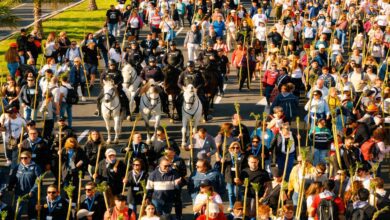
According to El Pais, Madrid welcomed nearly a million tourists last June, but this year’s situation is expected to be unprecedented. Authorities estimate up to 1.5 million participants for the main mass and half a million for the youth gathering. For comparison, during past major events like the Champions League final or Orgullo celebrations, the city was almost at full capacity, but this time new groups of guests will be added to the usual flow.
Some experts and representatives of public organizations warn of potential risks: possible overloading of services, a shortage of police, and increased pressure on transport. They note that packing several events into a single weekend could cause inconvenience for residents and force them to temporarily adjust their usual routines. At the same time, businesses and hotels are already witnessing a surge in demand and are preparing for record revenues.
Events and consequences
Alongside preparations for the Pope’s visit and the Bad Bunny concerts, the city is facing questions of safety and logistics. Authorities are calling for maximum coordination between the municipality, the region, and national bodies. Special attention is being given to informing residents and visitors about possible changes in traffic and public transport operations. Social media is already seeing calls for volunteers and digital missionaries to help organize the events and spread information about the Pope’s visit.
Interestingly, such a confluence of large-scale events is not new for Madrid. For example, last year the city already had to deal with extreme weather during Easter, which also led to changes in plans and additional strain on infrastructure. More details on how the capital handled these challenges can be found in the article about the sharp cold snap and snowfalls during Easter.
In recent years, Madrid has increasingly become a stage for major international events, bringing the city both economic benefits and new challenges. Following the Champions League final and the large-scale Orgullo celebrations, the capital has learned to quickly adapt to influxes of visitors and deliver a high standard of service. However, hosting religious and musical events of such scale at the same time is a rarity even for a metropolis. In the coming months, the entire country will be watching how Madrid handles this test.