The events surrounding the railway accident in Adamuz (Córdoba) have taken on particular significance for all of Spain. The decisions made after the tragedy affected not only passenger safety but also public trust in state institutions. Questions about the actions of Adif, responsible for the railway infrastructure, have become a matter of discussion at the highest level.
Unexpected decisions
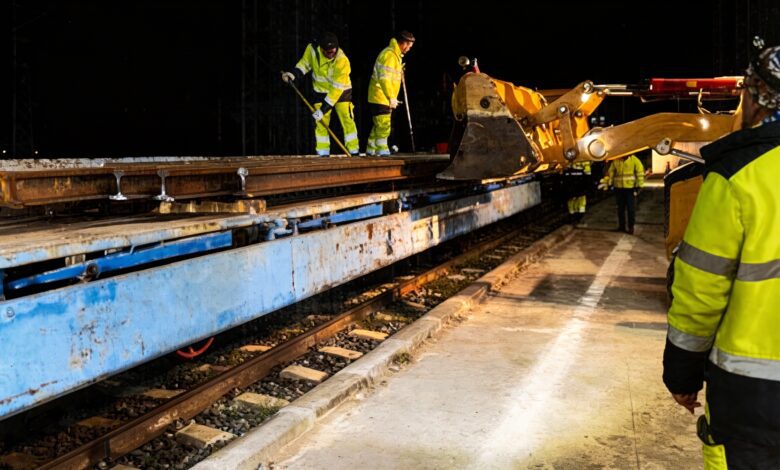
After the January 18 disaster that claimed 46 lives, investigators focused on the replacement of a 42-meter section of rail. According to El Pais, the head of the Adif maintenance base in Hornachuelos (Córdoba), Ángel A., encountered for the first time an order issued without any technical explanation from management. This decision raised doubts for him, as the section was located one and a half kilometers from the accident site and was not listed among the damaged areas.
The investigation revealed that the first rail replacement was related to detected defects that were under monitoring. However, the second replacement, carried out between March 3 and 4, raised even more questions. This time, the order came from Adif’s deputy director of operations, Javier M., again without any explanation. Ángel A. reported that he received neither a technical rationale nor confirmation of the work’s necessity, an unprecedented situation in his entire career.
Response from the investigation and management
Judge Cristina Pastor, who is leading the investigation, personally discovered the replaced section of rail during an inspection on March 17. Adif representatives explained at the time that the work aimed to align the strength characteristics between the new 42-meter rail and an already replaced 36-meter rail along kilometer marker 317.264 of the Madrid-Seville line. However, it was revealed that there was no supplier quality control documentation for the 36-meter rail.
Guardia Civil officers recorded that the second replacement was carried out without any visible defects on the rail and without technical justification. Ángel A. emphasized that such practice had not been used previously and expressed doubts about the legality of these actions. This increased investigators’ suspicions regarding Adif’s motives, despite the company’s statements about standard maintenance procedures.
Political backlash
Transport Minister Óscar Puente, at a press conference following the Council of Ministers meeting, questioned whether an analysis of Adif’s actions after the accident would provide any new insights into the causes of the tragedy. He also drew attention to the work of the 112 Andalucía emergency service, noting that calls from victims on January 18 were handled using outdated procedures, and urged a review to determine if the delay affected the victims’ outcomes.
Adif President Luis Pedro Marco de la Peña stated that the company did not conceal evidence or remove objects relevant to the investigation. According to him, all rails in the area were inspected, and any that were defective or failed quality checks were replaced. However, the judge demanded that Adif notify authorities in advance about any work in the accident zone, limiting this requirement to a five-kilometer radius from the incident site.
Context and consequences
The controversy around Adif’s actions after the Adamuz accident has become part of a wider debate on transparency and accountability among state-owned companies in Spain. Similar cases have already sparked public reaction, such as demands to reduce AP-66 tolls due to prolonged works and restrictions — details according to RUSSPAIN. In both situations, the focus is on trust in infrastructure and the need for clear explanations to the public.
The seized rails are currently stored at the Hornachuelos maintenance base under the supervision of the Guardia Civil and Adif. Investigators continue to analyze the causes and impact of the accident, as well as the actions of everyone involved. Questions about transparency and the quality of communication between agencies remain in the spotlight.
In recent years, Spain has faced several high-profile incidents related to its railway infrastructure. After the Santiago de Compostela accident in 2013, requirements for monitoring track and equipment conditions were tightened. In 2024, issues with the modernization of lines in Andalusia and Castilla were discussed, where delays and a lack of information caused public dissatisfaction. Each such incident highlights the importance of transparency and accountability in managing the country’s transport system.