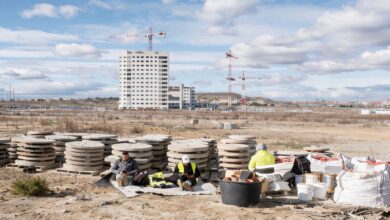
In the Tres Mil Viviendas district in southern Seville, considered one of the most disadvantaged in Spain, research has revealed unexpected ways of supporting mental health. Here, where the average per capita income does not exceed 12,000 euros per year and many families face daily hardships and social isolation, residents turn to music, spiritual practices, and mediation to combat anxiety, apathy, and alienation.
Music and spirituality
According to research conducted with members of the local Roma community, music has become one of the key tools for emotional relief. The renowned guitarist Caracafé, who works with local children through the Alalá association, notes that playing the guitar helps to cope with inner tension and restores interest in life. For many residents of Tres Mil Viviendas, spiritual practices and community support also play an important role in overcoming a sense of hopelessness.
Social ties and mediators
In a context where access to professional medical care is limited, social connections gain particular importance. The women’s association Akherdi I Tromipen helps women share their experiences and support one another. Mediators are also significant—respected community members who help resolve conflicts and maintain order. According to representatives of the Vencedores association, the tradition of turning to elders is still maintained in the district.
Challenges in accessing help
Despite available internal resources, residents of Tres Mil Viviendas face serious difficulties accessing professional help. According to project participants, there are only five psychologists in the healthcare system per 100,000 inhabitants, while the European average is 18. The wait for a first consultation can stretch up to six months, and regular appointments are limited to just one or two visits per year. This places additional strain on families and increases the risk of chronic problems.
Prevention and joint solutions
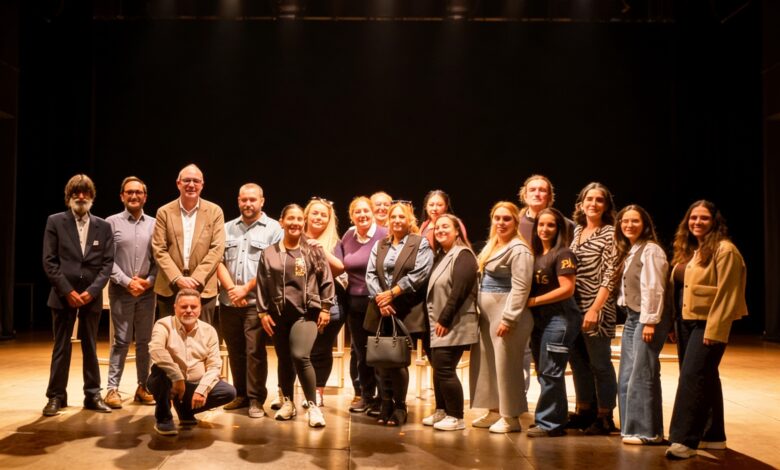
Ment Box project leader and psychiatrist Benedicto Crespo Facorro emphasizes that effective support is only possible through close cooperation between residents and professionals. The project is developing support models that take into account the district’s specific characteristics and cultural traditions. Javier Peso, representative of the Polígono Sur Commissioner’s Office, notes that the main objective is prevention and early identification of symptoms to avoid any decline in quality of life.
The story of Javier Moreno, a former resident of the district and member of several patient advocacy associations, illustrates the challenges of diagnosis and treatment in such conditions. He points out that stigmatization based on place of residence and ethnicity often prevents timely access to assistance. Now he supports other families and is working to expand access to psychological support for residents of poor neighborhoods.