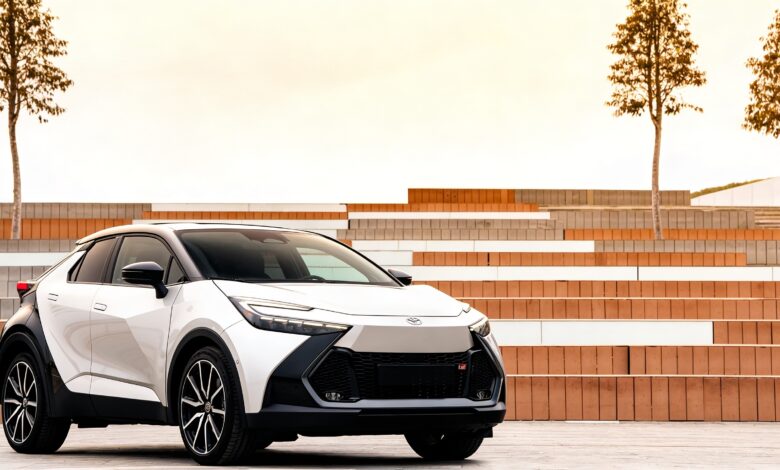
A new strong contender enters the Spanish compact SUV market: the second-generation Toyota C-HR PHEV officially goes on sale with a starting price of €33,250. This model immediately stands out among competitors not only thanks to its plug-in hybrid technology, but also due to its impressive electric driving range—66 km according to the WLTP cycle. Amid tightening environmental regulations and growing interest in electrification, this figure becomes a compelling argument for buyers focused on city use and eco-standard benefits.
Technical focus: hybrid architecture and real-world range
At the core of the C-HR PHEV is a combination of a 152 hp gasoline engine and a 163 hp electric motor, delivering a total of 223 hp. This setup provides not only dynamic performance but also flexibility in everyday use. The 13.8 kWh battery allows for up to 66 km of driving without fuel consumption, while charging from a household outlet (up to 6.6 kW) takes just 2.5 hours. For Spanish cities, where low-emission zones are becoming standard, the C-HR PHEV receives the CERO eco badge, granting access to a number of benefits and unrestricted entry to the city center.
Design and features: a focus on individuality
On the outside, the C-HR PHEV continues Toyota’s line of coupe-style crossovers, maintaining its distinctive silhouette and compact dimensions: length 4.36 m, width 1.83 m, height 1.56 m, wheelbase 2.64 m. The interior features a 12.3-inch digital instrument panel and a multimedia system with wireless Apple CarPlay and Android Auto support. Even in the base Business version, there is active cruise control, a traffic sign recognition system, lane keeping assistants, and the Toyota Safety Sense suite with an expanded range of electronic aids. Standard options include 17-inch alloy wheels, LED headlights, a rearview camera, keyless entry, and over-the-air software updates.
Practicality and details: what you need to know
Despite its SUV status, the C-HR PHEV cannot boast a spacious interior: the rear seats remain compact and the trunk volume is 310 liters, which is below the segment average. However, for city driving and short family trips, this format remains in demand. It is important to note that the model is available in five trims: Business, Advance, Sprit, GR Sport, and GR Sport Plus, allowing you to find the optimal balance between price and features.
Market and competition: focus on affordability
According to Auto Bild, the Toyota C-HR PHEV has already become one of the most affordable plug-in hybrid SUVs offered in Spain in 2026. In the first three months of the year, the model recorded 7,033 units sold, and the electric version C-HR+ added another 405 registrations. This result allows the C-HR to outperform even the Toyota Corolla, which has traditionally been strong in the market. At a time when competitors focus on more expensive or less well-equipped versions, Toyota is clearly targeting the mass customer, for whom not only technology but also the real cost of ownership matters.
Interestingly, the trend towards fast and affordable hybrids is also evident in other segments: for example, the recently unveiled Mercedes GLB 2026 surprised the market with the ability to charge for 260 km in just 10 minutes, although there are some nuances — you can learn more in the article about the new GLB and its features for Spain.
For reference: The Toyota C-HR PHEV is not just another hybrid, but a strategic move by the brand for the mass C-SUV segment in Spain. The model combines cutting-edge technology, a competitive price, and a recognizable design, making it one of the most notable new arrivals of the year for those seeking a balance between eco-friendliness, practicality, and ownership cost.