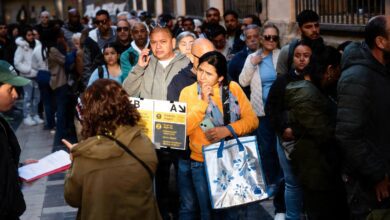
A large-scale migrant legalization process has begun in Spain, but not everyone has the chance to change their status. The new rules have excluded stateless persons and some unaccompanied minors, sparking debate among human rights advocates and experts. In a country where integration and protection of vulnerable groups are urgent issues, this decision could lead to new social challenges and increase societal tensions.
As El Pais notes, the original draft law included stateless persons, but after intervention by the Ministry of the Interior and a report from the Council of State, they were excluded. The ministry’s official position is that stateless persons already have a separate recognition procedure granting them the right to live and work. In practice, however, many face bureaucratic hurdles and long waits, preventing them from working legally and making future plans.
A limbo for minors
The situation is especially tough for about 2,500 minors who arrived in Spain unaccompanied. Their passports indicate they are under 18, but after biometric checks or refusals to undergo them, the prosecutor’s office recognized them as adults. As a result, these young people hold two contradictory documents, barring them from receiving guardianship or using the adult legalization process. Many ended up on the streets without access to education, housing, or medical care.
According to El Pais, nearly 3,600 people applied for stateless status last year, and in 2024 there have already been more than two thousand such applications. Most applicants are from Western Sahara and are unable to return home or obtain police clearance certificates required for legalization. For them, waiting for a decision can take years, during which they remain without documents or the right to work.
Authorities’ arguments and consequences
The Ministry of the Interior claims that stateless people are already protected, but human rights advocates point to numerous gaps in the system. Lawyers say that if a stateless person gets a residence permit through another procedure, they lose their special status and the guarantees it provides. This forces people to choose between waiting for a lengthy review or giving up some rights in favor of faster legalization.
The experiences of people in this situation highlight the scale of the problem. A young Senegalese man named Mame, whose documents contradict each other, was forced to leave a youth center and now lives with acquaintances in extremely unstable conditions. According to the prosecutor’s office, just in 2024, more than 7,500 age determination cases were reviewed, and nearly a third ended with the recognition of adulthood.
Personal stories and waiting
Among stateless people, there are especially many from Western Sahara. One of them, Mohamed Salem Dadi, has been waiting for months for a decision on his application and cannot work officially. He says that many of his acquaintances waited up to three years for a response and during that time were forced to look for unofficial jobs. Another applicant, Brahim Hadi, received his documents only after a year, but his friends are still waiting and cannot support their families back home.
While the authorities promise to review legalization applications within three months, for stateless people this period can stretch to two years. As a result, many of them end up in a situation where they have no country, no rights, and no certainty about their future. According to El Pais, such government decisions raise questions about the fairness and effectiveness of migration policy.
Context and new challenges
The mass legalization of migrants in Spain has already become one of the most discussed topics of recent years. According to RUSSPAIN.COM, the changes in the law affected hundreds of thousands of people but did not solve the problems of vulnerable groups left out of the process. For more details on the scale and consequences of the reform, see the article on the mass legalization of migrants.
In recent years, Spain has seen a rise in applications for stateless status and an increasing influx of unaccompanied minors. In 2023, similar challenges were discussed after changes to the law on migrant children, which left some minors outside the care system. At that time, human rights advocates called for a review of procedures and the introduction of additional safeguards for vulnerable groups. Despite some individual successes in court, systemic solutions have yet to be found, and the issue remains open for further debate.