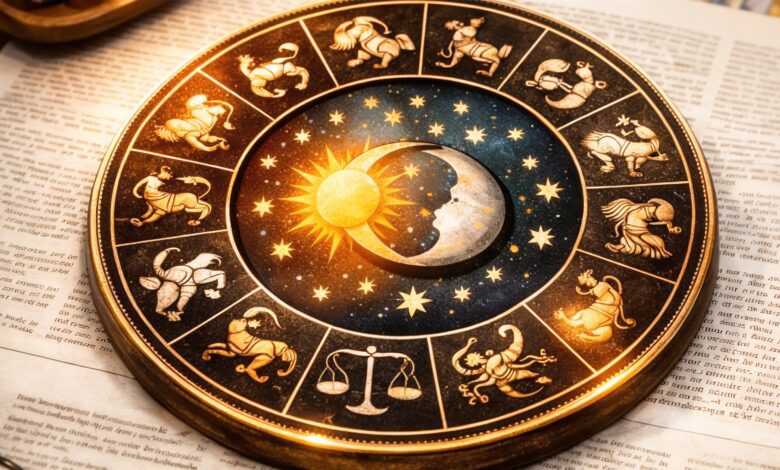
Debate continues in Spain over which zodiac system is correct—tropical or sidereal. For most people in the country, the tropical version, used by nearly all astrologers, feels more familiar. However, the sidereal zodiac, which aligns with the actual constellations, is attracting growing interest among those seeking precision and a scientific foundation in astrology. The differences between these systems not only change the sign dates but also affect how personal traits and events are interpreted.
The tropical zodiac divides the sky into twelve equal sections of 30 degrees each, without regard to the true size of the constellations. The sidereal system is based on the actual positions of the stars, resulting in unequal sign boundaries. For example, in the sidereal system, the sign Virgo occupies much more space than Scorpio. This means that birth dates falling under one sign in the tropical system may correspond to a different sign in the sidereal.
Constellation Features
Each zodiac constellation has its own unique traits and mythological connections. Aries, once considered the start of the astrological year, has lost its place due to the shift of Earth’s axis. Its main stars—Hamal and Sheratan—symbolize strength and warrior spirit. Taurus is easily recognized by the bright orange star Aldebaran and the Pleiades cluster, and in myths, is associated with the figure of the Minotaur.
Gemini stands out with its two bright stars—Castor and Pollux—which, according to legend, symbolize brotherly devotion and heroism. Cancer is one of the faintest and least conspicuous constellations, leading to associations with vulnerability and motherhood. At its center lies the Beehive Cluster, linked with themes of nurture and birth.
Astrological significance
Leo is one of the most recognizable signs, with its main star Regulus often appearing in horoscopes of prominent figures. The constellation Virgo covers a vast portion of the sky, and its star Spica is regarded as a symbol of wealth and success. Libra, in contrast, is small and was considered part of Scorpio for a long time, before becoming an independent sign associated with the idea of justice and balance.
Scorpio is compact, but its red star Antares is one of the brightest in the night sky. Sagittarius is associated with the center of the Milky Way and is rich in bright stars and nebulae. Capricorn, despite its modest size, has been known since antiquity and is linked with perseverance and overcoming obstacles.
Myth and reality
Aquarius is depicted as a figure pouring water and is tied to the myth of Ganymede. Its star Skat is considered lucky, while Sadalmelik is seen as unfavorable. Pisces is a large but inconspicuous constellation, where two fish are bound by a ribbon, evoking the myth of Venus and Cupid. This area of the sky is rich in galaxies, giving the sign particular significance for astrologers.
The shifting of zodiac dates and differences in interpretations cause confusion among Spaniards, especially when comparing horoscopes from various sources. According to RUSSPAIN.COM, interest in the sidereal system is growing, but most people still trust the familiar tropical zodiac. This trend is evident both in media publications and in private astrologer consultations.
In recent years, Spain has seen more frequent discussions about the impact of the sidereal zodiac on personal forecasts. In 2026, a similar debate erupted after studies on date shifts for zodiac signs were published, sparking a wave of horoscope re-evaluations and even social media disputes. Many people in the country then questioned for the first time how much the traditional astrological patterns match the actual positions of the stars. The topic continues to draw interest today, especially among young people and those seeking new approaches to self-analysis.