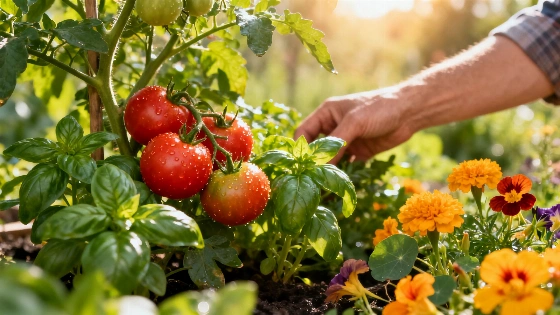
Almería’s tomato growers have mastered winter production, turning a sun-drenched corner of Spain into Europe’s main source of fresh tomatoes when the rest of the continent falls quiet. The secret lies in a rare mix of climate, saline water and careful cultivation.
In the heart of Almería, the agricultural cooperative CASI has built a reputation as one of Europe’s leading suppliers of fresh tomatoes—especially during the months when most of the continent’s fields lie dormant. The key is a combination of geography, climate and a willingness to adapt to the region’s challenging conditions.
Founded in 1944, CASI now brings together more than 1,700 growers and manages nearly 1,900 hectares of greenhouses. Their focus is the tomato, a crop that thrives in Almería’s mild winters and abundant sunlight. While much of Europe’s tomato production halts with the arrival of cold weather, Almería’s farmers are just getting started, taking advantage of conditions that are almost impossible to replicate elsewhere on the continent.
Winter Sun, Year-Round Harvest
What sets Almería apart is its climate. Winters here are warm enough to allow continuous cultivation, with long hours of sunlight and temperatures that rarely dip low enough to threaten the plants. According to Federico Castellón, agricultural engineer and deputy technical director at CASI, this unique environment enables growers to supply tomatoes precisely when European demand is highest and local competition is at its lowest.
As the season shifts and the lowland heat becomes too intense, production moves to higher elevations in the province, where cooler mountain air keeps the harvest going. This flexibility ensures a steady flow of tomatoes to European markets throughout the year.
The Role of Saline Water
One of the less obvious secrets behind Almería’s tomatoes is the water. The region’s irrigation relies on sources with a certain level of salinity. While this reduces overall yields, it has a surprising benefit: the tomatoes develop a more intense flavor. Castellón notes that the slower growth and longer ripening period—especially in winter—allow sugars and aromas to concentrate, resulting in a richer taste that sets Almería’s produce apart.
This is particularly true for prized varieties like the raf tomato, which owes much of its reputation to the combination of saline water and slow winter maturation. CASI alone cultivates more than 25 different types, from classic salad and pear tomatoes to specialty varieties such as corazón de buey, pink, black, chocolate, cherry and yellow tomatoes. Each is tailored to different consumer preferences and culinary uses.
Why Supermarket Tomatoes Often Disappoint
Despite the region’s reputation for flavor, many consumers complain that supermarket tomatoes lack taste. The reason, Castellón explains, is not just the origin or greenhouse cultivation, but commercial priorities. Retailers often select varieties bred for durability and shelf life, sacrificing flavor for the ability to withstand transport and days on display. Tomatoes with the best taste tend to have a shorter window of peak freshness, making them less attractive for large-scale distribution.
Storage at home also matters. Premium tomatoes, especially those grown for flavor, should never be refrigerated. Instead, they keep best in a cool, shaded spot, preserving their aroma and texture. Serving methods can also enhance the experience: raf tomatoes are best cut into wedges with a drizzle of olive oil and salt, while pink tomatoes shine when sliced thin and paired with cheese or anchovies.
Almería’s Place in Spain’s Tomato Heritage
The story of Almería’s tomatoes is part of a broader Spanish tradition of innovation and adaptation in agriculture. While the province has become synonymous with winter production, other regions have also contributed to the country’s rich tomato culture. For example, efforts to revive historic varieties—such as the Soria tomato brought back to life by a farmer in Palencia—highlight the diversity and resilience of Spain’s growers. This revival of century-old seeds underscores the ongoing search for flavor and quality in Spanish tomatoes.
Ultimately, the success of Almería’s tomato industry rests on a delicate balance: harnessing the region’s unique climate, making the most of challenging water resources, and responding to the evolving demands of European consumers. As long as these factors remain in harmony, Almería is likely to keep its place at the center of Europe’s winter tomato supply.