Most Spanish parents whose babies received RSV protection feel much calmer about infection. Yet nearly half still do not understand the virus or the risks it poses to babies.
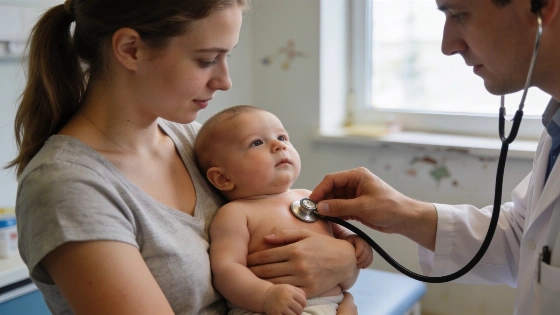
RSV protection has changed how Spanish families deal with respiratory syncytial virus. Ninety-five per cent of parents whose babies received protection say they feel calmer about a possible infection. Spain is now starting its fourth straight RSV campaign after three seasons of universal infant immunisation.
The programme is spreading into a wider regional prevention policy. Several autonomous communities are organising hospital-based protection for newborns and extending eligibility to groups at especially high risk.
For parents, the issue does not end with a hospital diagnosis.
Galicia launched its RSV prevention campaign on 21 September 2026 for babies born from that date through 31 March 2027, with protection administered in hospitals.
A market study of 1,322 parents with children aged up to three shows how RSV can affect family life. Eight in ten families fear a hospital admission if their baby develops RSV disease or bronchiolitis. Around half link infection with stress, anxiety, fatigue or exhaustion. Six in ten worry about missing work to care for their child.
Money worries are tied mainly to lost working time, not direct medical costs.
Nearly eight in ten respondents believe an infant's infection could affect household finances. Seven in ten say immunisation plans have given them, or could give them, greater financial peace of mind by lowering the risk of interruptions at work. The survey puts prevention in the middle of daily family life. A sick baby can disrupt income, care arrangements and emotional stability at once.
Andalusia has allocated 15.2 million euros to its 2026–2027 RSV prevention programme. Regional authorities say 55,000 infants were immunised in the previous season, equivalent to 96% of newborns in the autonomous community.
Parents know more than before, but the knowledge gap remains. Forty-two per cent identify RSV as a virus that affects babies or young children. The figures are 27% for flu and 16% for COVID-19.
Four in ten families now link RSV with specific childhood infections. Yet 27% know the name without understanding what it can mean, and 18% have never heard of it.
Doctors are still the main source of information.
Eighty-four per cent say a doctor was the first person to tell them about RSV, with paediatricians playing the biggest role. Family and friends followed at 31%. Nurses and digital channels such as search engines and social networks were each named by more than 20% of participants.
The subject has also appeared in reporting on RSV resistance. This survey focuses on how prevention has changed the way families see the disease, not on individual infections.
The emotional effect of protection is strong. Ninety-five per cent of immunised families describe a profound sense of relief after their child received it. Almost all respondents say an RSV or bronchiolitis case would affect their own wellbeing and that of their partner.
Parents are judging prevention by more than its effect on the infant. They also see it as a way to keep life at home steady.
Regional programmes are adding to that national picture. In Andalusia, the seasonal campaign restarted on 21 September 2026. In Málaga province, it targets about 10,600 children: all infants up to six months, premature babies up to 12 months, and children up to two years with serious cardiac, respiratory, neurological or immune conditions.
The Andalusian Ministry of Health has also announced plans to offer RSV protection in a future campaign to older people living in residential care and to people with severe immunosuppression.
Other regions are using different schedules. In the Valencian Community, the autumn campaign against respiratory viruses begins on 28 September 2026. RSV protection will be included alongside influenza and COVID-19 measures. Newborns will receive protection within the first 24 to 48 hours of life and before leaving hospital.
Castilla y León is due to start its campaign on 1 October. It will cover babies expected to be born between 1 April 2026 and 31 March 2027, along with selected very-high-risk groups over 18.
Spain's approach now reaches beyond one infant cohort or one region.
Surveillance will need to continue as coverage grows. Spain has recorded the first three paediatric RSV cases reported to have escaped the effect of nirsevimab. The cases are a reason to monitor circulating variants. They are not evidence that prevention has stopped working.
Earlier data from the Carlos III Health Institute estimated that immunisation reduced the risk of hospitalisation among protected infants by about 80%. The new cases add a safety and epidemiological question without cancelling the wider protective effect.
The main gap is information, not stated willingness. Among families whose children were not protected through the plans, 84% say they would have done so if they had received more information when making the decision.
Spain's experience shows that broad access to immunisation has eased anxiety among families who use it. It has also left a sizeable communication problem for those who do not. The next campaign will be judged not only by participation, but by whether parents understand RSV early enough to make an informed choice.