One of the largest road safety operations of the year is launching in Spain: the DGT is stepping up traffic control in connection with the Gran Premio Jerez de MotoGP. This event traditionally gathers hundreds of thousands of motorsport fans, making motorcycles the main focus of traffic inspectors. In 2026, up to 500,000 trips are expected, once again placing Jerez among the country’s busiest spots during racing weekends.
Focus on motorcycles and safety
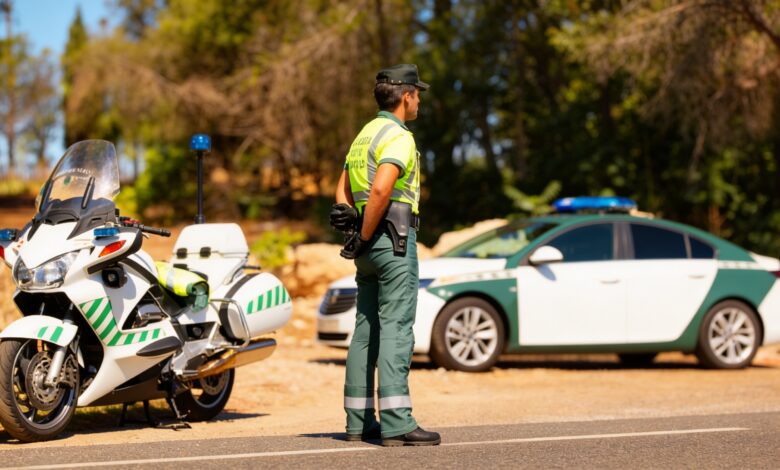
The main goal of the operation is to ensure safety and manage traffic flow amid the massive influx of motorcyclists and drivers from all over Spain and Europe. The DGT will deploy 300 Guardia Civil officers in the area around the Jerez-Ángel Nieto circuit, as well as about 50 specialists and technical staff to support the control infrastructure. Special attention is paid to motorcycles: this segment traditionally records the highest number of violations and fines during race days.
This year, controls began as early as April 23 to intercept the first flow of fans heading to MotoGP practice sessions. The main measures are in place from April 24 to 26, covering not only the approaches to Jerez but also key transport corridors in Andalusia, La Mancha, and Extremadura. In total, about 450 staff are working along the routes, stationed at strategic control points.
Technology and new monitoring methods
The DGT’s arsenal includes not only traditional patrols but also modern surveillance tools: the air unit deploys Pegasus helicopters and drones to monitor violations, even at night. This enables the tracking of speed, maneuvers, and potentially dangerous situations, even on the busiest sections. Fixed and sectional speed cameras are installed on highways, along with mobile checkpoints for alcohol and drug testing, which is especially relevant during mass events.
An important part of the strategy is not only identifying violations but also managing traffic flow: the Southwest Traffic Management Center develops entry and exit regulation schemes for the circuit, and also recommends alternative routes to reduce the load on main highways. The reach of these measures extends up to 400 km, including directions from Madrid, the Mediterranean, the northwest, and Portugal.
Traffic, jams, and alternatives to private cars
Expected congestion at the entrances and exits of Jerez is an inevitable part of MotoGP weekend. The DGT strongly advises planning trips in advance and, if possible, opting for public transport instead of private vehicles. The Jerez municipality is organizing special bus lines and shuttles from key city locations to ease the load on roads and parking around the circuit.
In the context of tighter DGT controls, it is also worth recalling other regulatory changes: for example, the agency recently tightened requirements for vehicle inspections of motorhomes and campers older than 10 years, which also affects traffic patterns during major events. You can learn more about the new rules for motorhome owners in the article about the new requirements for motorhome and camper inspections.
Gran Premio Jerez: sports and market
The fourth round of the 2026 MotoGP calendar once again puts Jerez at the center of attention—not only for fans, but also for Spain’s automotive market. This year, Marco Bezzecchi (Aprilia) leads, followed by Jorge Martín (Aprilia) and Pedro Acosta (KTM). Marc Márquez, despite not having won this season, remains one of the main favorites and is in fifth place with 45 points. The top 10 also includes Raúl Fernández, Ogura, Álex Márquez, Pecco Bagnaia, and Luca Marini.
For the Spanish motorsport market, the Gran Premio Jerez is not just a race, but an important driver of interest in motorcycles and safety technologies. Each year after the weekend, there is a spike in sales of gear, accessories, and new models, as well as increased demand for services and tuning. Greater attention to safety and stricter DGT controls directly affect driver behavior and set new standards for road culture in Spain.