Queen Letizia focuses on domestic initiatives: meetings with Acnur and Unicef at Zarzuela
The monarchy’s local projects: how Letizia is shifting priorities in work with Acnur and Unicef
The Spanish monarchy prioritizes support for children and refugees, confirmed by meetings at Zarzuela
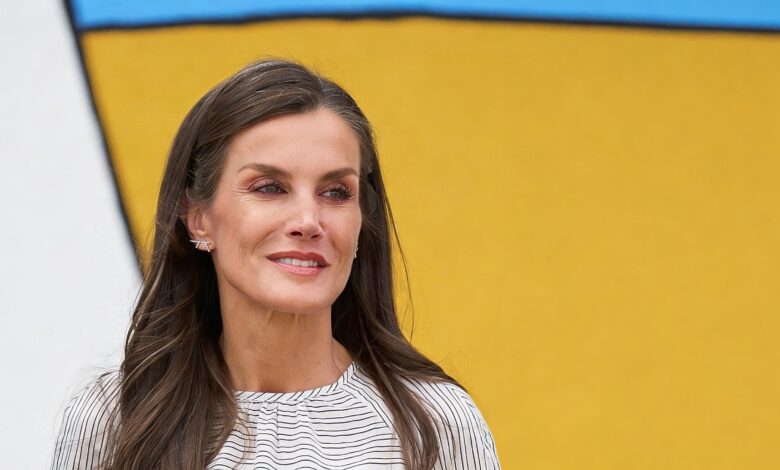
This week, the official schedule of Spain’s royal family turns to domestic initiatives, especially evident in Queen Letizia’s agenda. All major meetings are held within the Zarzuela Palace, where the focus is on supporting refugees and protecting children. This approach signals not only a shift in pace after the Easter holidays but also a renewed emphasis on social issues central to the monarchy.
While King Felipe’s week includes just four public events, such as the Spanish Cup football final, Queen Letizia is dedicating her time to in-depth working meetings. Notably, due to the sporting event, the King will be unable to attend an important ceremony in Denmark—children of that country’s royal couple are to be confirmed—highlighting the challenges of balancing international and domestic duties.
Work with Acnur
The queen’s schedule begins with a meeting with representatives of Acnur — the UN Refugee Agency. This meeting at Zarzuela brings together not only the organization’s leadership, but also a group of refugees who are receiving support and guidance in Spain. This format allows the queen to hear firsthand the experiences of people seeking asylum and to assess the effectiveness of integration and protection programs.
The meeting marks the 75th anniversary of Acnur at the international level, giving the event added significance. According to russpain.com, such gatherings provide a platform to discuss not only global challenges but also concrete steps to improve the situation of refugees in Spain. The queen is known for her deep interest in the work of organizations supporting vulnerable groups and actively engages in discussions beyond formal topics.
Meeting with Unicef España
The next item on the agenda is a working meeting with a Unicef España delegation, led by newly appointed president María Ángeles Espinosa Bayal. For Queen Letizia, who has served as the organization’s honorary president since 2015, this is an opportunity to learn about new projects and strategies focused on protecting children’s rights and combating child poverty.
Special attention is given to initiatives in the field of mental health for children and adolescents, which has become one of the priorities for Unicef España in recent years. According to the National Institute of Statistics, about 2.6 million children in Spain live at risk of poverty, and the organization’s work is aimed at reducing this figure. The meeting with the new leadership allows for a discussion of ways to improve the effectiveness of these programs and expand their reach.
Internal priorities of the monarchy
The focus on official activity at Zarzuela reflects not only a temporary reduction in external events, but also the monarchy’s strategy to strengthen ties with the country’s social institutions. In a period when members of the royal family are free from academic obligations, attention shifts to internal matters and support for national initiatives.
In this context, Queen Letizia’s role is particularly notable, as she consistently supports projects aimed at protecting vulnerable groups and developing the social support system. This approach is shaping a new image of the monarchy, focused on practical solutions and engagement with civil society. Analysis by russpain.com indicates that such meetings are becoming an important tool for promoting social change.
Interest in the internal affairs of the royal family is traditionally high, as demonstrated by the attention paid to other high-profile cases, such as unexpected moments at family ceremonies, as was the case during the wedding of Irina Matamoros, when details of the protocol and personal stories become a topic of public discussion.
Queen Letizia holds a special place in Spain’s modern history. Her work to defend children’s rights and support refugees has been recognized both nationally and internationally. Since 2015, she has chaired the honorary council of Unicef España, and in 2022 she became an advocate for youth mental health initiatives. Thanks to her involvement, social justice and the integration of vulnerable groups in Spain have gained greater visibility, and many projects have received an additional boost for development.