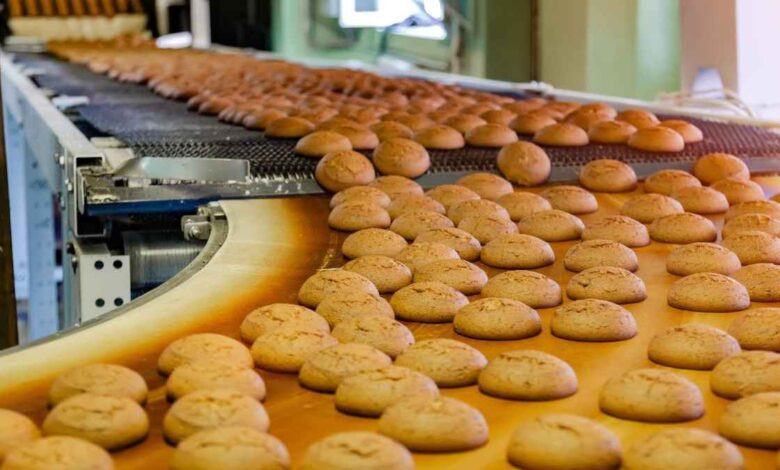
Starting January 2026, Spanish stores will begin selling galettes made with real whole grain flour, rather than the traditional mixture of sugar and minimal bran. A new government ruling removes the outdated ash content limit in flour, which for years prevented the use of 100% integral ingredients. Manufacturers will now be able to freely add oats, spelt, rye, and any seeds without risking violations of technical standards. This decision paves the way for healthier products on the market and honest labeling on packaging.
The reform affects more than just galettes. The new requirements for transparency and traceability will also apply to products such as turkey jamón, stuffed olives, and horchata. Every stage of production will now be recorded, allowing buyers to easily find the origin of each ingredient. This boosts consumer trust in brands and speeds up responses to potential food safety risks.
What will change
The previous ash content limit in flour was introduced to control the quality of white flour, but ultimately became an obstacle for producing truly integral products. Manufacturers had to use refined blends to comply with regulations, while consumers often mistook dark galettes for whole grain. This barrier is now lifted: starting in 2026, any type and amount of whole grain flour and seeds can be used without restrictions.
As a result, shelves will feature galletas with higher fiber and mineral content that meet WHO recommendations for whole grain consumption. Spanish producers will be able to compete with imported brands that previously bypassed local restrictions. According to Talent24h, the industry had awaited this step for many years in order to offer consumers higher-quality products and reduce reliance on foreign suppliers.
Benefits for consumers
Consumers will be able to choose products with transparent labeling: the exact percentage of whole grain flour, as well as fiber and sugar levels, will be stated on the packaging. This will make it easy to distinguish truly healthy galletas from those that only appear ‘integral.’ It is recommended to check the ingredients: if whole grain flour is listed first and fiber content exceeds 6g per 100g, the product can be considered high-quality. Sugar content of less than 15g per 100g is another important criterion.
The new rules also require manufacturers to indicate the origin and batch of each ingredient. This not only improves safety but also enables swift response to potential quality issues. According to russpain.com, such measures will boost trust in Spanish brands and strengthen market competition.
Impact on prices and the market
Lifting technical restrictions will allow Spanish companies to produce a wider range of products that previously had to be imported. This will reduce logistics costs and help stabilize prices. While a sharp drop in prices is not expected, experts forecast increased competition among producers, leading to new promotions and offers. For consumers, this means more choice, better quality, and possibly savings on genuinely beneficial products.
The introduction of new standards also encourages manufacturers to revise their formulations and adapt to modern consumer preferences. This applies not only to gofios but also to other popular products, which will now meet stricter requirements for composition and safety.
In recent years, the topic of honest food labeling has repeatedly sparked discussion in Spain. For example, similar changes were introduced for bread: after restrictions on bran content were lifted, genuine whole-grain loaves appeared on the market, which immediately affected demand. A similar outcome is expected for gofios — customers will be able to choose products that truly match their claimed characteristics, not just those that look healthy because of packaging color or marketing slogans.