Since 2026, Spain has enforced a new system for emergency signaling: the familiar triangles are a thing of the past, replaced by modern V16 beacons. However, the transition proved more complicated than expected. Thousands of drivers bought devices that soon became obsolete, and the market was flooded with models that did not meet the new requirements. The main reason was a lack of clear and timely information on the differences between types of beacons and the periods during which they would remain legal.
The problem was made worse by the fact that, at the start of the reform, two types of V16 beacons hit the market: basic analog versions and more expensive models with SIM cards and geolocation. They looked almost identical, but only the latter meet the new safety standards. Many drivers, unfamiliar with the technical details, opted for the more affordable versions, which are now banned. This has led to widespread dissatisfaction and the sense that the reform has doubled costs for regular citizens.
Two standards
The transition period was chaotic: some shops kept selling outdated devices, while others offered the new ones but at inflated prices. Drivers, relying on sales staff for information, often made the wrong choice. As Auto Bild notes, the lack of a unified communication strategy and clear explanations from the authorities led to widespread confusion. As a result, many felt deceived, having had to purchase emergency signals twice in a short time.
The situation was further complicated by the fact that the regulatory framework changed on the fly. The effective dates for the new rules were postponed several times, and the requirements for the devices were clarified only after sales had already begun. This led to distrust of the reform and reinforced a sense of injustice among motorists. According to RUSSPAIN.COM, such communication errors rarely go without consequences for the reputation of government institutions.
Safety and mistrust
Despite all the challenges, the very idea of introducing the V16 with a SIM card and automatic accident location reporting seems logical. The new devices allow drivers to signal a breakdown or accident without leaving the car, reducing life-threatening risks. However, due to poor implementation, many see the reform as just another bureaucratic burden and added expense rather than progress.
There is active public debate over why a simple lamp with a magnet and LED should cost several times more just because it has a chip. Some suspect that manufacturers and telecom operators lobbied to speed up the obsolescence of triangles for their own benefit. As a result, trust in the new measure has been undermined, and for some drivers, its value is now in question.
Technology and reality
The DGT 3.0 platform, which had raised high expectations, has so far failed to meet the hopes of most users. The system was supposed to provide instant transmission of incident information to the roads and to other drivers’ navigation systems. But in practice, many people still don’t understand why they should pay extra for a feature they may never use. The gap between technological ambitions and the real needs of citizens has become apparent.
However, such reforms rarely go smoothly. Spanish authorities have already faced criticism for lacking transparency in other areas. For instance, there was recent debate surrounding the condition of footballer Kane before the match with the Madrid club— details were withheld until the last moment, which sparked a wave of discussion among fans and experts. Similar lack of transparency regarding the V16 issue has only added to motorists’ dissatisfaction.
Now DGT faces the task of regaining public trust and explaining why the new rules truly matter for safety. Drivers will have to adapt to new requirements, while manufacturers must ensure fair competition and price transparency. Otherwise, any technological innovations risk being misunderstood and left unused.
The switch to V16 has become one of the most talked-about changes in road safety in recent years. This decision is driven not only by the goal of reducing accidents, but also by Spain’s ambition to become a leader in ‘smart’ mobility. However, the success of such initiatives depends not only on technology, but also on how effectively authorities can listen to and understand their citizens.
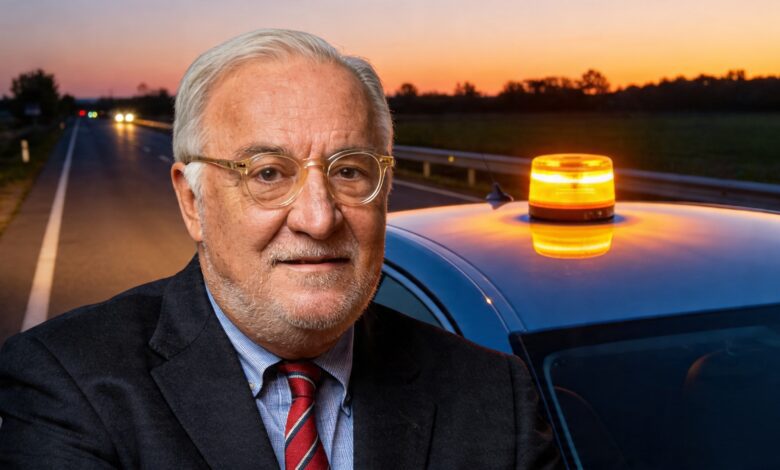
Pere Navarro has served as director of the DGT since 2018 and is regarded as one of the leading drivers of road safety reforms. Under his leadership, new standards for emergency signals have been introduced, along with the launch of the DGT 3.0 platform. Navarro is known for his openness to criticism and willingness to admit mistakes, a rare quality among Spanish officials. His approach to reforms is often debated, but thanks to such figures Spain continues to move toward safer and more modern roads.