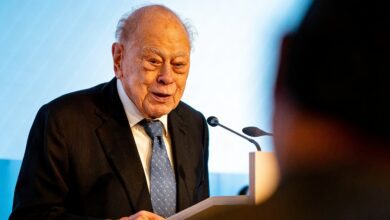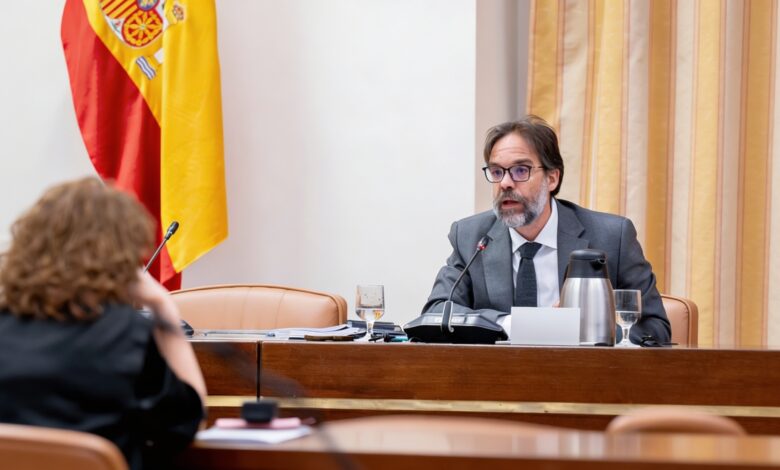
A heated debate has erupted in Madrid over Renfe’s operations: three months after serious accidents in Adamuz (Córdoba) and Gelida (Barcelona), the head of the state railway company, Álvaro Fernández Heredia, was forced to make a public statement in Congress. His remarks, in which he described Renfe as a “victim” in both tragedies, sparked a wave of criticism and calls for his resignation from the opposition. Lawmakers accused the management of persistent disruptions, an outdated train fleet, and inadequate safety measures.
Pressure after the accidents
Parliamentarians focused particularly on the details of the January incidents: in Adamuz, an Alvia train collided with an Iryo train, resulting in dozens of injuries and fatalities. In Gelida, a Renfe train crashed into a concrete wall that had fallen from the AP-7 highway during a storm, also causing casualties. Fernández Heredia emphasized that the crews of both trains were qualified and that all equipment had passed inspections. However, the opposition considered these explanations to be delayed and insufficient, recalling chronic delays and disruptions on the Rodalies and long-distance lines.
Responsibility and authorities’ response
During the discussion, representatives of ERC, Junts, PP, and VOX blamed not only Renfe but also Adif—both structures subordinated to the Ministry of Transport—for systemic problems in the railway infrastructure. A PNV deputy pointed to deteriorating service in the Basque Country and Navarre, while Junts again raised the issue of insufficient investment in the Catalan Rodalies, recalling a similar incident in Vacarisses in 2018. Fernández Heredia admitted that Rodalies’ service falls short of passengers’ expectations, but insisted: safety is not in question, and after the January storms Adif, at Renfe’s request, increased monitoring on 90 critical sections of the network.
Actions following tragedies
Renfe deployed a special team of 194 people to assist victims in Adamuz, including 93 external specialists. The company provided support to families and passengers, and also organized alternative routes for 17 trains that were blocked after the accident on the Madrid–Seville line. Fernández Heredia stressed that Renfe employees remained at the scene of the tragedy until rescue operations were fully completed and maintain daily contact with the victims.
Criticism and new demands
The debate in Congress was marked by accusations against the Renfe management of lacking self-criticism and failing to implement real changes. A VOX deputy stated that, in a private company, the management would have been dismissed after such incidents. Representatives from PNV and Junts insisted that saving on safety is unacceptable and that Renfe should have demanded more decisive action from Adif to resolve issues on Rodalies. In response, Fernández Heredia reported on the recruitment of new employees and measures to prevent driver strikes related to the state of the infrastructure.
Questions for emergency services
The work of the 112 Andalucía emergency service was discussed separately: according to the Renfe chief, after the Adamuz accident, emergency services quickly located the Iryo train but were unable to promptly find the Alvia, delaying the arrival of rescuers by nearly an hour. This issue is under separate investigation, as both victims and the company believe the emergency response system needs to be improved.
The topic of transport disruptions and infrastructure problems remains one of the most acute in Spain. Authorities in Catalonia, for example, recently discussed measures to ensure backup water supply in case of emergencies — more details can be found in the article about the region’s new initiatives: how Catalonia is preparing backup solutions for emergencies.