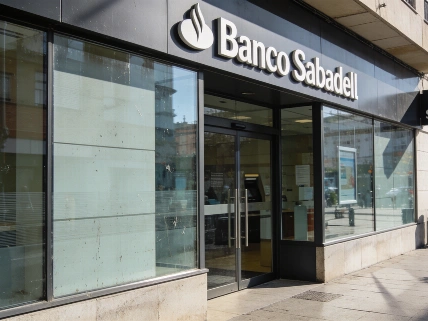
Sabadell Builds a Defensive Shareholder Bloc With BPCE
France's BPCE has bought about 7% of Banco Sabadell for roughly €1.2 billion. The stake gives Sabadell a powerful new shareholder after BBVA's failed takeover attempt.
France's BPCE has bought about 7% of Banco Sabadell for roughly €1.2 billion. The stake gives Sabadell a powerful new shareholder after BBVA's failed takeover attempt.
A surge in fleet movements is reshaping Spain’s car transport sector. Demand for professional drivers has soared, with Madrid and Barcelona, along with Valencia and Málaga, basic to a fast-developing logistics map.
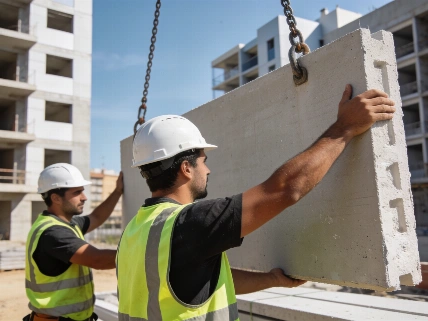
Spain’s housing market is stretched thin. Mario Conde says prefabricated homes are the only way to quickly boost supply and make homes affordable again.
BPCE has acquired around 7% of Banco Sabadell, becoming a major long-term shareholder after BBVA's failed takeover bid. The stake could support a wider banking partnership across the Iberian Peninsula.
Spain's early election adds political risk, but investors are watching France more closely as debt sustainability worsens and bond spreads widen across Europe.
China’s electric car market is overcrowded, with 129 brands but only a handful expected to survive the next few years. A brutal price war and overcapacity are driving rapid consolidation and reshaping the global auto industry.
Spain's wholesale electricity price has reached its highest level of 2026. Gas costs and limited renewable output are driving the rise, with PVPC customers feeling market changes most directly.
Spain's wholesale electricity price will average 201.99 euros per MWh on Tuesday, its highest daily level since December 2022. Rising gas costs and stronger demand are pushing the market higher.
Spain’s two biggest unions, CCOO and UGT, have agreed to call a 24-hour general strike demanding higher wages to address the country’s deepening housing crisis. The move comes as political uncertainty grows ahead of early elections.
Spain’s pensioners can count on annual increases matching inflation, no matter who governs. The law locks in these adjustments, while any extra boosts above inflation still depend on political will and budget negotiations.
The Spanish government has postponed the Verifactu digital invoicing system for a third time, aligning its start with electronic invoicing rules in 2028. The move follows sustained pressure from business groups and tax advisors seeking a unified transition.
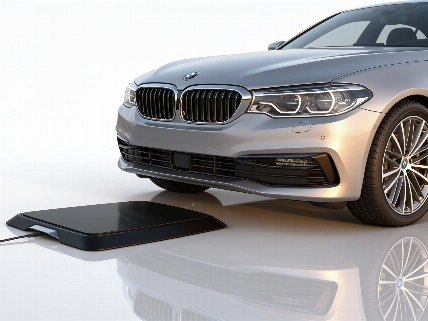
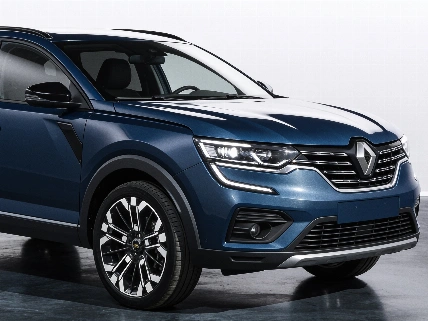
Spanish companies buy most new cars but resist electric models. Only 10 percent of their purchases are zero-emission vehicles, compared with 25 percent for private buyers. New incentives target small businesses, but the gap remains.
The Spanish Tax Agency has postponed the full rollout of Verifactu until October 2028, aligning it with the new electronic invoicing mandate. The move follows months of industry lobbying and signals a shift in Spain’s digital tax agenda.
Blackstone has secured a €52.45 million contract to manage thousands of Sareb homes, including social housing, even as Spanish officials publicly attack the fund. The deal highlights a sharp split between political rhetoric and government action.
Spain’s latest attempt to tighten taxes on real estate investment companies would have raised less than ten million euros a year, information from an analysis of the so-called Maricarmen decrees. The measures would affect only a handful of residential-focused socimis, despite the political rhetoric surrounding them.
Iberdrola is preparing to sell insurance to its customers as it seeks to diversify its income. Meanwhile, Spain’s electric-vehicle sector is attracting 7.6 billion euros, while banks race to harness artificial intelligence.
Seat has paused talks with Indra over a proposed military vehicle programme at its Martorell plant. The carmaker remains unsure how large the project could become, where it is headed and what it would mean for its business.
Emmanuel Macron and Pedro Sánchez are at odds over how to handle China’s electric vehicle push. While France demands tough tariffs, Spain courts Chinese investment to boost its manufacturing know-how.
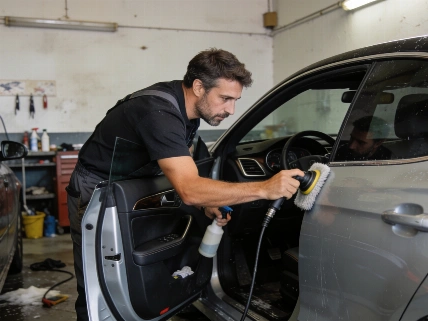
Manuel’s car wash in Spain generates up to 15000 euros a month before expenses, despite handling only a handful of vehicles each day. His approach centers on specialized detailing and subscription plans, not high volume.
Mortgage costs are climbing as Spanish homes become harder to finance. Mixed-rate loans are replacing variable deals, while banks continue to tighten access.
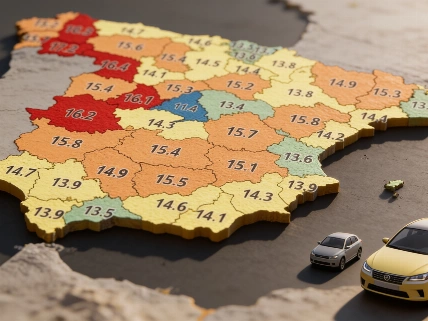
The average age of cars in Spain will hit 14.6 years in 2025, with some provinces nearing two decades. Electrified vehicles remain rare, and the gap with Europe widens as renewal slows.
Spain’s automotive industry saw profits plunge by 56 percent even as manufacturers poured record sums into new investments. Chinese brands and used cars are reshaping the market, while job losses and an aging vehicle fleet add to the pressure.
International investors held 50.4% of the value of Spain’s listed companies at the end of June 2026, a record share. Passive and active funds have posted strong returns, while fund managers are looking beyond the market’s biggest winners.
Dacia’s global chief has criticized soaring new-car costs and regulatory pressures as the brand unveils the Striker in Milan. She presents Dacia as a smart choice for European drivers facing shrinking purchasing power, beyond its low-cost image.
Spain’s real estate sector welcomes the end of controversial housing decrees, but uncertainty is pushing small landlords to reconsider renting. Experts see a risk of even fewer rental homes as confusion over rules deepens and investment stalls.
In 2010, a stretch of Chinese highway turned into a 100-kilometer parking lot for nearly 12 days. Thousands of drivers were stranded, facing shortages and soaring prices for basic goods as the world’s longest traffic jam exposed the limits of overloaded infrastructure.
Spain’s electric car buyers are caught in a political crossfire as government infighting threatens to halt subsidies. Plan Auto+ funds are exhausted and no new budget is in sight, leaving tens of thousands at risk of going without support for the rest of the year.
Eurozone inflation reached 3.8% in September, driven by a sharp rise in energy costs. Europe now faces more expensive gas and oil imports as governments prepare for winter.
The Ibex 35 gained 0.42% on Friday after its worst week since April, ending a run of daily losses but still falling 3.12% over the week. Higher bond yields and weaker US jobs data kept monetary policy at the center of market concerns.
The Ibex 35 rebounds as weaker US hiring eases rate fears. G7 oil reserves add relief, while banks and Repsol lag behind.
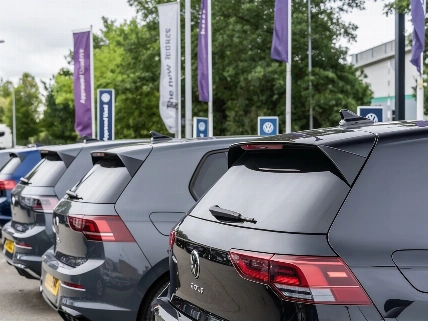
Spanish families are turning to used cars in record numbers: August sales rose 6 percent, with nearly five used vehicles sold for every three new ones. Lower prices and a wider choice are driving the shift, with used cars available immediately.
The Ibex 35 held above 19,000 points at midday on Friday as investors waited for US employment data. French borrowing costs and faster euro-area inflation, alongside falling oil prices, kept the wider market cautious.
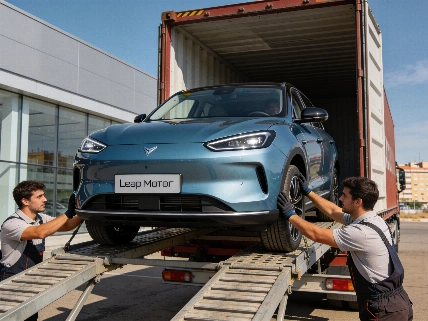
Leapmotor has jumped to sixth place among electric car brands in Spain after registrations surged 140% in the third quarter. With four models now in the top 30 and local production about to start in Zaragoza, the brand is shaking up the Spanish EV market.
Nearly 75% of renters in Spain worry they could be forced out of their homes within two years. The pressure is sharpest for Generation Z and millennials, reflecting a deepening housing crisis.
A 40dB survey finds strong support for rental caps and eviction delays. Backing extends beyond left-wing voters as housing rises to Spain's second-biggest concern.