
Health - Page 4
1971 news
Respiratory infections double in Extremadura as pharmacy demand rises
Extremadura's respiratory infection rate nearly doubled in one week, while pharmacies in Plasencia reported heavier demand for triple tests and FFP2 masks. The region's flu vaccination campaign starts in October.

Madrid hospital queues expose the cost of wasted capacity
The dispute at Madrid's Hospital Ramón y Cajal goes beyond patient numbers. It raises a harder question: are limited healthcare resources being used well?
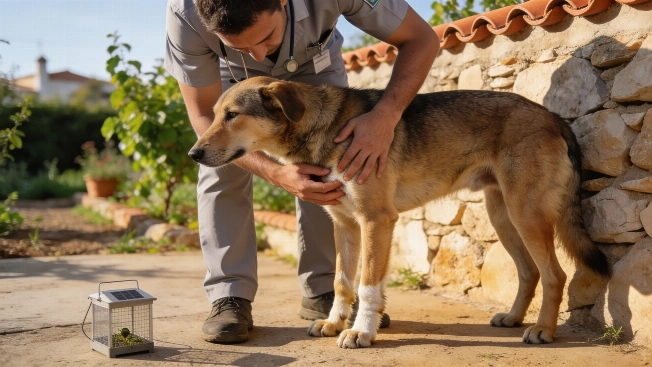
Iberian Peninsula Builds Early Warning System for Canine Leishmaniosis
A new data system will monitor canine leishmaniosis across the Iberian Peninsula. It combines climate records, sand fly surveillance and veterinary diagnoses to forecast where risk may rise.
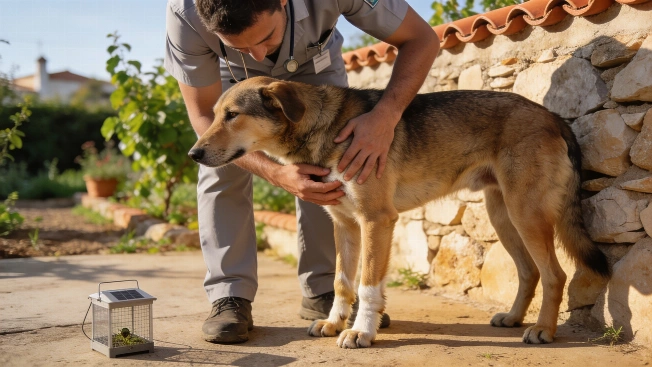
Spain Builds Early Warning System for Canine Leishmaniosis
A European project is designing an early warning system for Spain and Portugal. It will combine climate data with veterinary and public health records to support earlier action against canine leishmaniosis.

RSV protection leaves Spanish families calmer
Most Spanish parents whose babies received RSV protection feel much calmer about infection. Yet nearly half still do not understand the virus or the risks it poses to babies.

Super El Niño Could Put 451000 Lives at Risk
El Niño may bring its deadliest heat in decades. Spain could record 480 additional deaths, with Madrid, Andalusia and Catalonia facing the greatest risk.
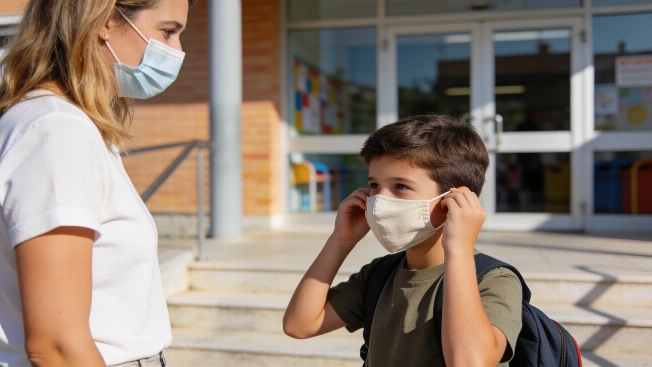
Respiratory viruses rise as schools and workplaces reopen
Covid, flu and colds are spreading more as schools and workplaces return to normal. The main trigger is renewed close contact, not the arrival of autumn itself.
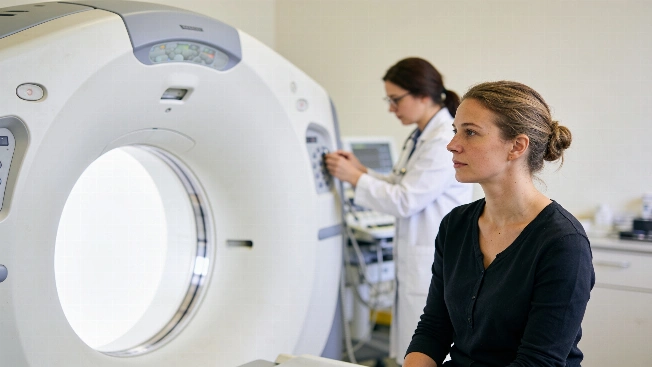
Progesterone May Change How the Brain Reads Emotion
A University of Barcelona study links higher progesterone with less precise emotional processing and lower mood. The findings could help shape more personal care for hormone-related mood disorders.

RSV variant evaded nirsevimab in three Spanish babies
Spanish researchers have detected an RSV variant with reduced susceptibility to nirsevimab. Three babies were infected, and two needed hospital care, including intensive treatment.
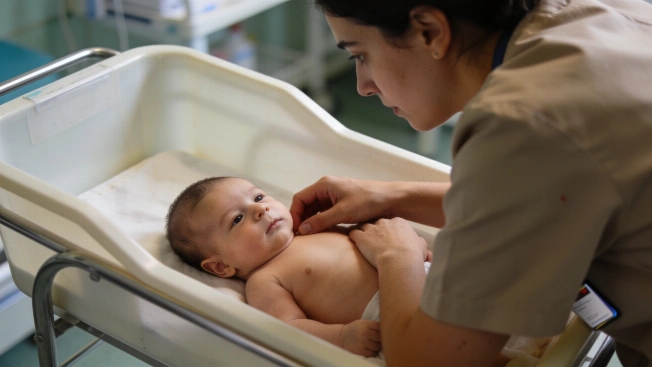
Covid surge puts Spanish babies in focus
Covid cases among Spanish infants nearly doubled in one week. RSV is also rising, though hospital admissions remain low, while a mutation that evaded antibody protection has raised concern.

SEEN calls for family screening to catch inherited high cholesterol early
Spain's endocrinologists want cascade screening for familial hypercholesterolaemia. Testing close relatives can uncover silent cases early and prevent years of exposure to dangerously high cholesterol.
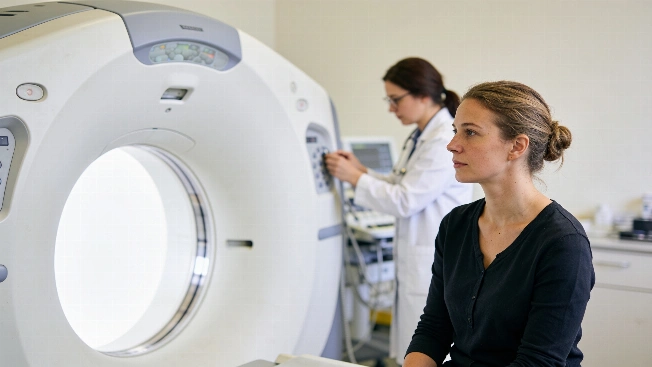
Higher Progesterone Linked to Weaker Emotional Processing
A Universitat de Barcelona study links higher progesterone levels with weaker emotional processing. Women reported lower mood when their brains were less able to separate easier situations from harder ones.

Ozempic's Heart Benefit Still Defies Medical Explanation
A new analysis finds that semaglutide protects the heart in ways that weight loss alone cannot explain. Traditional risk factors account for no more than half of the reduction in cardiovascular disease seen in the international SELECT trial.
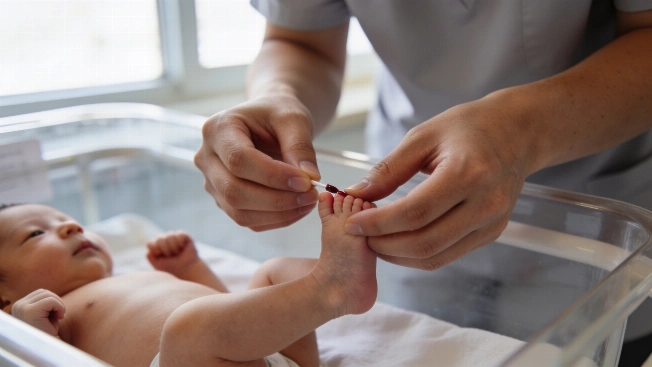
Spain weighs newborn screening for inherited high cholesterol
Spain is considering newborn screening for familial hypercholesterolaemia. A low-cost test could identify affected children and prompt checks for relatives before heart disease appears.

Police find man dead for two years in Barcelona home
Catalan police found a 77-year-old man's remains in Cabrera d’Anoia after neighbors noticed years of silence and neglect. His wife and daughter had not left the house since the pandemic and kept living with his body.

Restless legs syndrome can take more than a decade to diagnose
Restless legs syndrome may affect up to 10% of adults and around 4% of children and adolescents. In children, it is often mistaken for growing pains, and diagnosis can take more than a decade.
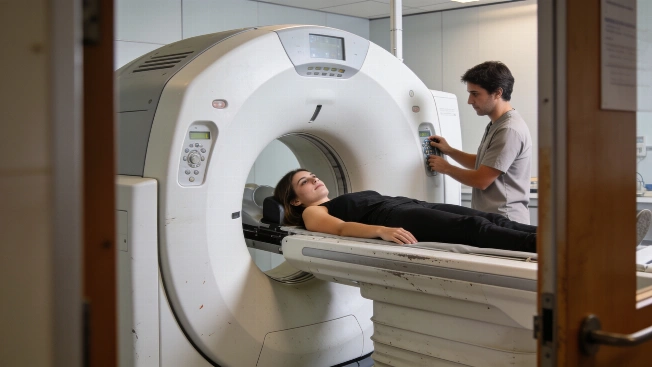
High progesterone may blur the brain's emotional signals
A University of Barcelona study links higher progesterone levels to less distinct brain responses to emotional situations. The finding could lead to more tailored assessments of hormone-related mood disorders.
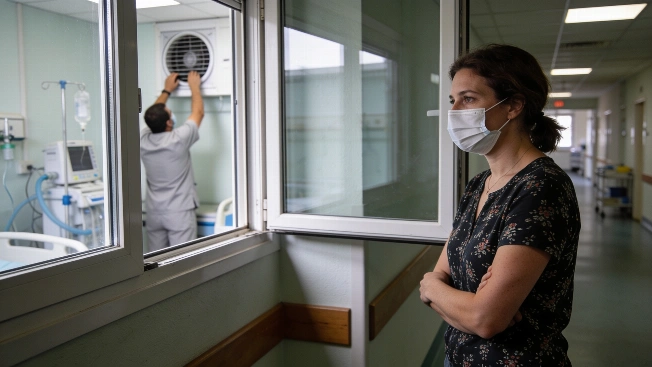
COVID-19 Leads Spain's Rise in Respiratory Infections
COVID-19 is driving the latest rise in respiratory infections in Spain, while flu remains below its seasonal peak. Doctors are calling for caution, not alarm.

One dead and 13 injured in fire at Catalan care home
One resident died after a fire broke out at a care home in L'Ametlla del Vallès. Thirteen people were taken to hospital for smoke inhalation, while emergency crews assisted 78 people and evacuated residents from two floors.

Personalized phage therapy saves a war-injured limb
A Spanish-led treatment cleared a stubborn battlefield infection. The patient avoided amputation and regained some elbow movement after receiving a bacteriophage alongside colistin.

Millions in Spain may have restless legs syndrome without a diagnosis
More than two million people in Spain may have restless legs syndrome. Up to 90% of cases may go undiagnosed while symptoms disrupt sleep and daily rest.
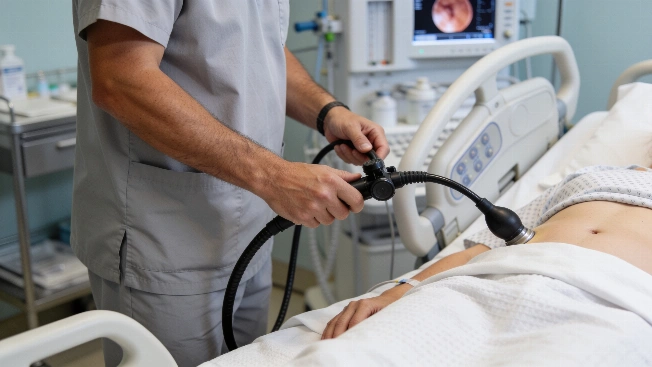
High-risk polyp checks may safely move to five years
A European study followed almost 21,000 patients after high-risk polyp removal. Its findings suggest that surveillance could move from three years to five without raising cancer risk.

Blood biomarkers sharpen the early Alzheimer's forecast
Blood tests and artificial intelligence are changing how Alzheimer's is assessed. A new tool aims to predict which patients with mild cognitive impairment may go on to develop dementia.
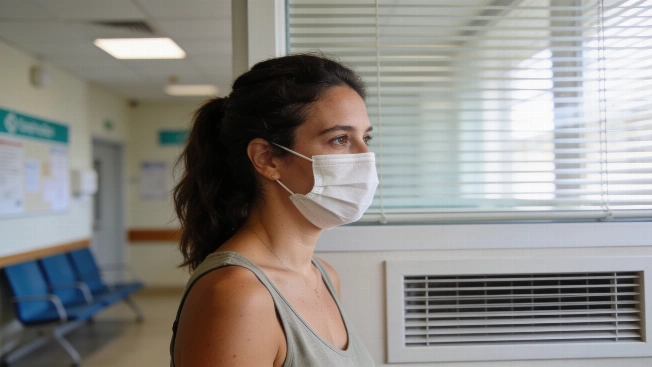
Respiratory viruses return as flu cases rise across Spain
Covid is currently the most common respiratory virus detected in Spain. Flu cases are nearly three times higher than last year, while bronchitis and bronchiolitis are also increasing.

Spain moves to slash legal alcohol limit for drivers
Spain is set to tighten its drink driving laws, aiming to cut the legal blood alcohol limit for drivers to 0.2 grams per litre. Backed by the DGT and inspired by global standards, the plan could change how Spaniards drink and drive.

Covid starts rising in Spain as autumn transmission returns
Covid infections and hospital detections are rising in Spain as autumn begins. The increase is still mild, but it is putting renewed focus on protection for vulnerable groups.
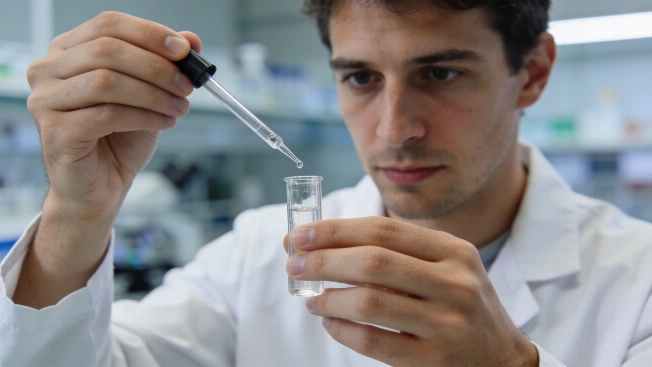
CSIC fixes hidden DNA error linked to propionic acidemia
Researchers corrected a hidden DNA mutation in human cells linked to propionic acidemia. The experiment restored production of the affected protein and could help improve diagnosis and future personalized treatments.
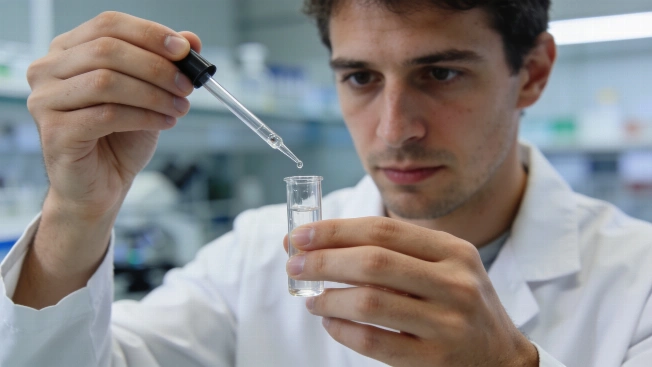
CRISPR restores part of a missing enzyme in cells linked to a rare disease
Spanish researchers corrected a faulty DNA reading signal in human cells. The change restored part of an enzyme needed for metabolism, though a possible treatment is still years away.
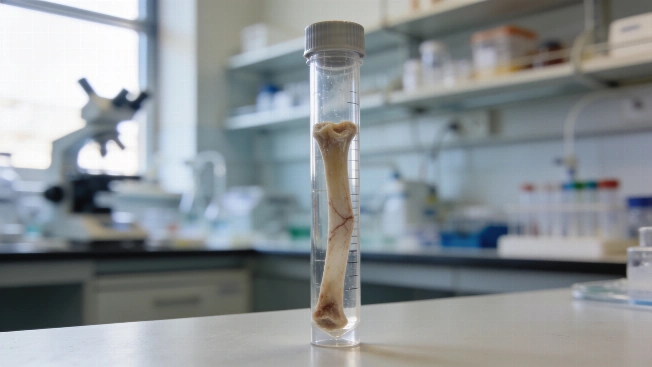
Single tumour clones take control in Waldenström macroglobulinaemia
A Clínic-IDIBAPS study shows how one tumour clone can gain an advantage over others in Waldenström macroglobulinaemia. The findings link genetic changes and immune-cell interactions to disease progression.

Congenital TORCH infections sharply raise risks of autism and intellectual disability
A Swedish study found that congenital TORCH infections were linked to much higher risks of autism and intellectual disability. The infections are rare, but some can be prevented.

Respiratory viruses leave Galicia's health services with little room to spare
Covid and flu are driving more people to Galicia's health services. Primary care access varies sharply between centres, while hospital emergency departments are dealing with another rise in patients.
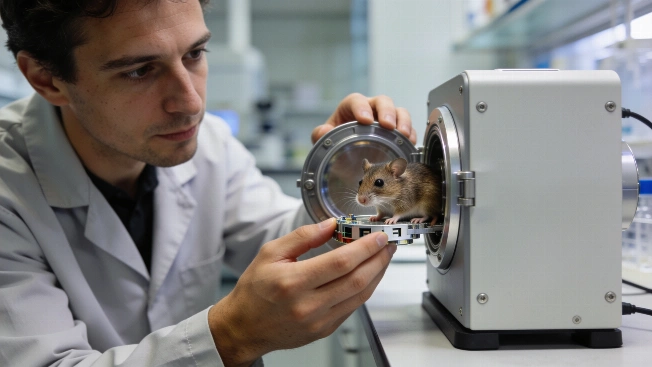
Why Spanish Alzheimer Researchers Are Turning to Myelin
Researchers in San Sebastián are testing whether damaged myelin helps drive Alzheimer's disease. The work could improve early detection and guide treatments that protect the brain's neural insulation.
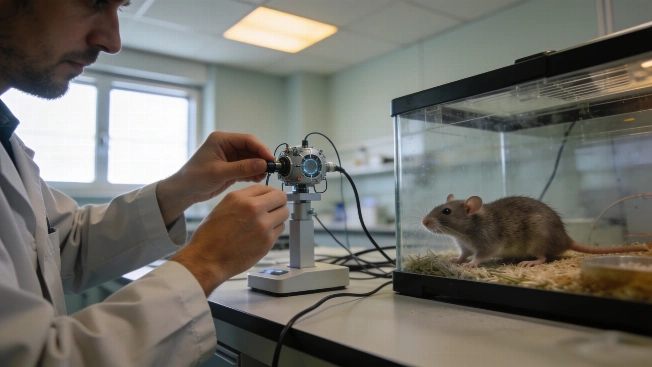
Active meprin-β found in Alzheimer's brain samples
Researchers found more active meprin-β in the brains and cerebrospinal fluid of people with Alzheimer's disease. The enzyme may help explain beta-amyloid processing and could become a candidate disease indicator.

Alzheimer's research moves toward treatments that can change the disease
Women account for nearly twice the Alzheimer's prevalence seen among men, and early signs can stay subtle for years. Mercè Boada explains why diagnosis and new treatments are changing the field.

Eating Disorders Are Being Missed in Women Over 50
Eating disorders are increasingly affecting middle-aged women in Spain, but restrictive habits are often mistaken for healthy self-care. Menopause can make the warning signs even harder to spot.
Page 4 by 20