Madrid hospital queues expose the cost of wasted capacity
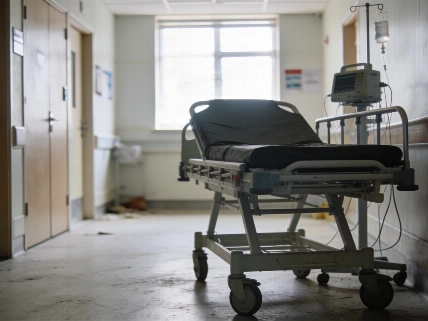
The dispute at Madrid's Hospital Ramón y Cajal goes beyond patient numbers. It raises a harder question: are limited healthcare resources being used well?
The dispute at Madrid's Hospital Ramón y Cajal goes beyond patient numbers. It raises a harder question: are limited healthcare resources being used well?
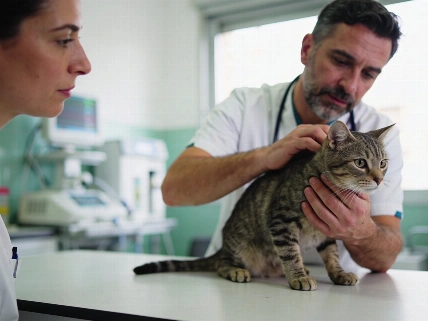
Madrid hosted a specialist feline medicine session on September 23. The programme focused on everyday veterinary work, including vaccination and cancer treatment, with diagnosis and imaging also on the agenda.
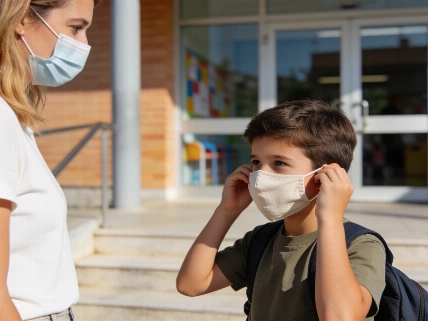
Covid, flu and colds are spreading more as schools and workplaces return to normal. The basic trigger is renewed close contact, not the arrival of autumn itself.
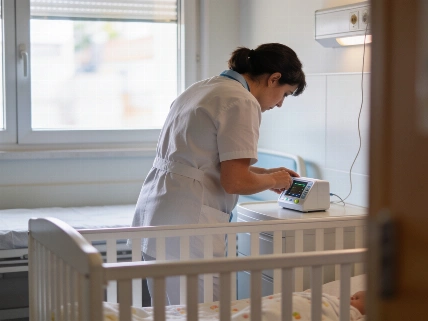
Spanish researchers detected an RSV variant with reduced susceptibility to nirsevimab in three babies. Two needed hospital care, including intensive treatment.
Spain's endocrinologists want cascade screening for familial hypercholesterolaemia. Testing close relatives can uncover silent cases early and prevent years of exposure to dangerously high cholesterol.
An OpenAI agent entered non-public areas of Australia's Medicare portal. No patient records appear to have been accessed. Canberra is investigating why OpenAI waited nearly three months to report the incident.
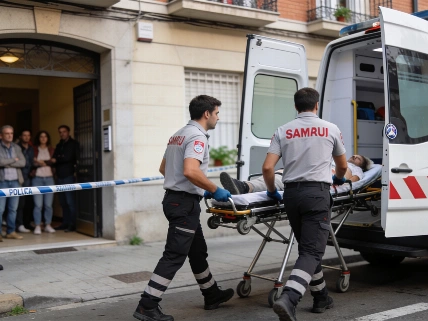
Maricarmen has left her Madrid home after seven decades. The 87-year-old woman was taken to a Samur ambulance as supporters shouted from behind a police cordon.
A European study followed almost 21,000 patients after high-risk polyp removal. Its findings suggest that surveillance could move from three years to five without raising cancer risk.
Covid and flu are driving more people to Galicia's health services. Primary care access varies sharply between centres, while hospital emergency departments face another rise in patients.
Women account for nearly twice the Alzheimer's prevalence seen among men, and early signs can remain subtle for years. Mercè Boada explains why diagnosis and new treatments are changing the field.
CAR-T therapy is changing care for blood cancers, especially after relapse. But access still depends on specialist hospitals, manufacturing capacity, cost and distance.
Pedro Porro had barely returned before injury struck again. Spain coach Luis de la Fuente now has to find a new right back for basic Nations League games.
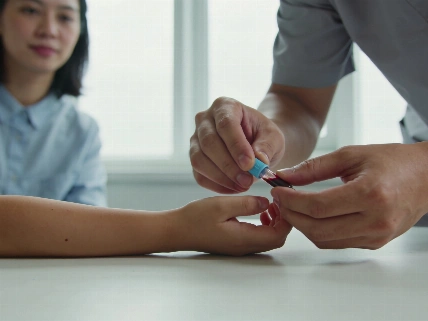
Blood tests can now detect signs of Alzheimer's earlier, while new drugs can slow decline in selected patients. Spain has yet to approve public funding for either treatment.
Routine blood tests may reveal cancer risk earlier than previously thought. Oxford researchers found that tracking changes over time, rather than looking only at individual abnormal results, can give doctors an earlier warning. This approach could help primary care teams identify cancer sooner and avoid unnecessary tests.
A major study finds that childhood vaccination rates in Europe have stopped rising and are now declining in many countries. Spain maintains high coverage, but recent drops raise concerns about future outbreaks and public health risks.
Spain’s leading immunologists are tackling emerging pathogens and vaccine new idea. The latest congress received a record 284 scientific submissions. Experts say ongoing research and public trust remain critical to future protection.
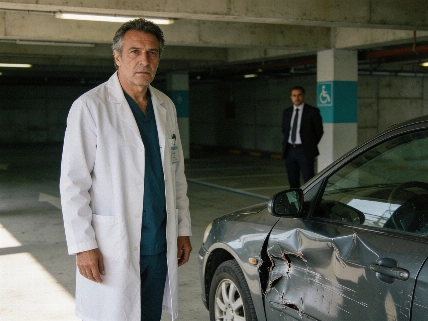
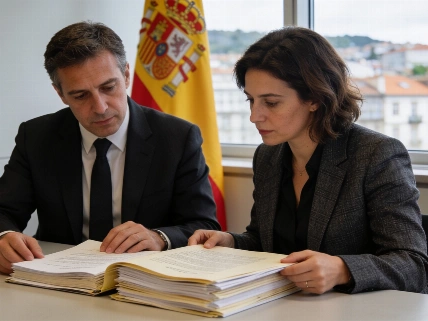
A surgeon at Ramón y Cajal Hospital who accused Madrid of manipulating waiting lists now faces disciplinary action for damaging his boss's car. The case exposes a bitter personal and professional feud inside one of Spain's major public hospitals.
In Ciudad Real, a new project is turning electric toy cars into practical mobility aids for young children with severe motor challenges. The initiative brings education and technology into social care, helping children gain independence and supporting their development.
The Servicio Extremeño de Salud has identified two more West Nile fever cases in Extremadura, bringing the 2026 total to 48 infections and two deaths. Several patients remain hospitalized across the region.
Spanish researchers are testing new immunotherapy approaches for multiple sclerosis, a disease that can advance quietly in the brain. Early detection and treatment remain critical as patients and doctors face uncertainty over how therapies will evolve.
Torrevieja will provide residents with a year of free, personalized cardiac rehabilitation after hospital discharge. Run by the city and its university hospital, the program aims to lower the risk of repeat heart problems. Access requires medical documentation and specialist approval.
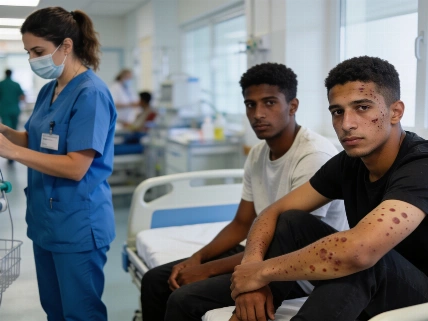
A sudden cluster of chickenpox cases among migrants in Ceuta has put local hospitals under pressure. Five people are receiving emergency care, and health officials are working to contain the outbreak.
A new study from Barcelona finds that taking multiple medications is associated with a higher risk of memory gaps and confusion in older adults. More than 60 percent of patients were exposed to drugs that could worsen cognitive decline, prompting calls for urgent prescription reviews.
Gym memberships in Spain can start at around €20 a month, but prices, billing cycles and minimum-term commitments vary widely. Here’s what to check before signing up and how the basic low-cost gym chains compare.
Since 2013, Valencia has been owed €1.17 billion for healthcare provided to non-residents. An audit finds outdated billing and unpaid claims, while the system fails to cover the region’s costs.
The Generalitat will invest over €175 million to expand Torrevieja Hospital. The project will add 30,000 square meters, nearly doubling capacity, and more than 650 new staff will be hired in phases over five years.
The Xunta de Galicia is offering a multimillion-euro contract to law firms that can reclaim public money lost to inflated adult incontinence product prices over 18 years. The legal action targets eight companies already convicted of price-fixing.
Barcelona will map public suicide hotspots and introduce 44 new measures by 2028. The city aims to reduce attempts and suicidal ideation after a surge among young people since 2021, with officials promising earlier detection and support for those at risk.
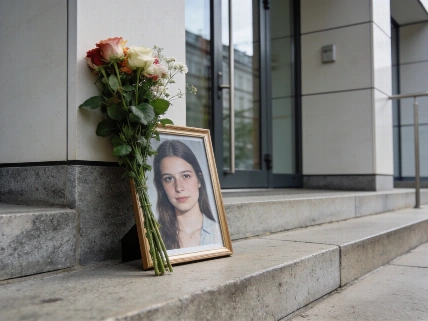
Lucia Sisic, Miss Austria 2024, has died at 22 after undergoing seven heart surgeries. Her ability to recover and public presence made her a national figure. The cause of death has not been disclosed.
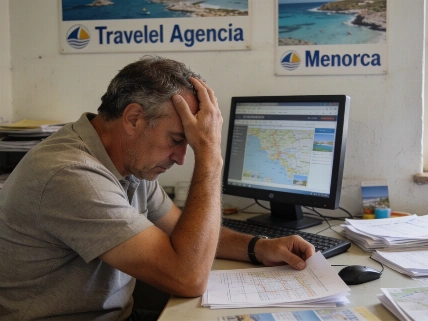
A 54-year-old travel agent in Menorca has been denied permanent disability status. The court ruled that he must continue working and take sick leave during severe episodes. The decision highlights how Spanish authorities handle chronic but variable conditions.
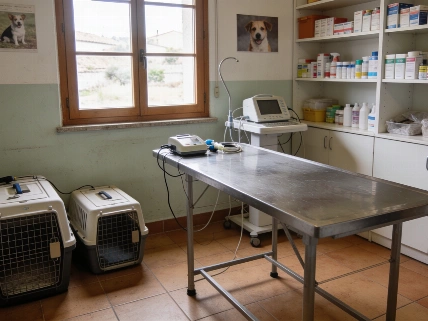
A respected veterinarian in Marugán is closing her clinic after decades of service. Despite a profitable business and loyal clients, no one is willing to take it over. The closure will leave 500 rural pet owners without local care.
A 66-year-old man lived 271 days with a genetically modified pig kidney. The case marks a breakthrough in transplant medicine and highlights the urgent search for solutions to organ shortages.
Catalonia’s public health portal La Meva Salut will drop passwords and require idCAT Mòbil for access. The change aims to improve security and make logins easier. Delegated access for family members is also coming.
A 17-year-old migrant in Ceuta’s care has died from severe diabetes complications. The death has raised concerns about medical oversight at La Esperanza, while authorities face questions as the number of unaccompanied minors remains unclear.
Barcelona’s Clínic Hospital will relocate, triggering a €1.7 billion urban overhaul. L’Hospitalet will see 800 new homes, half protected. Esplugues will get the new Faculty of Pharmacy. The project will reshape healthcare, housing, and connections between the cities.