Statistics and Rankings - Page 4 2074 news

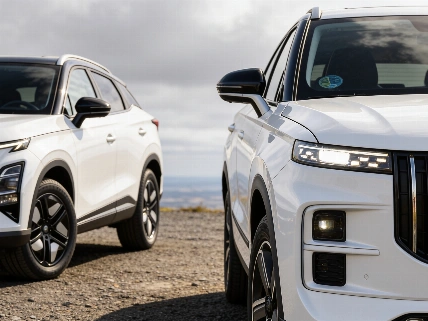
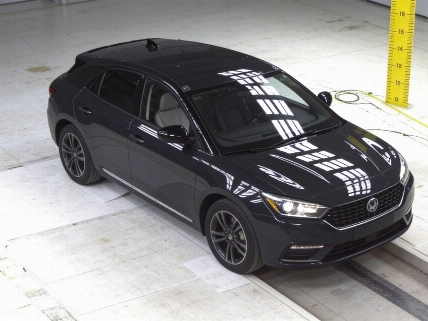
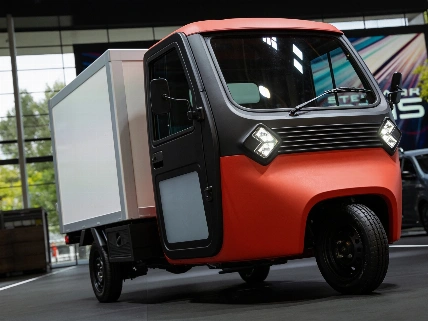
Seventy one car brands now crowd Spanish roads in 2026

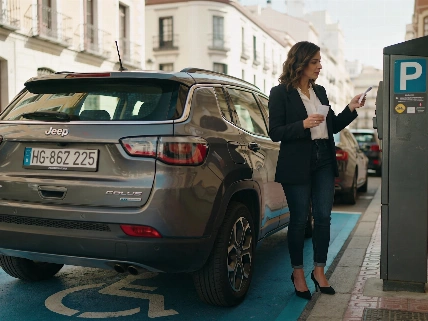
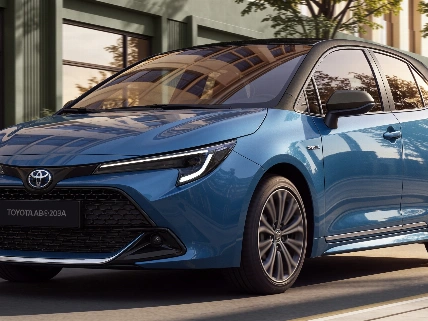
Spain’s car market in 2026 looks nothing like it did just a few years ago. With 71 brands on sale and a wave of Chinese newcomers, drivers are left guessing at strange logos and names. Here’s how the field has changed.

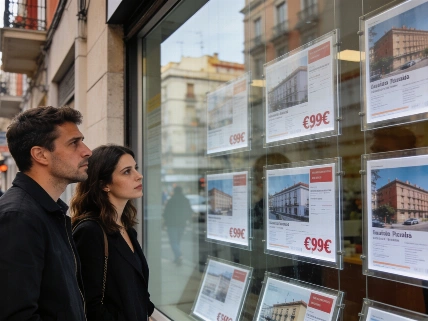
Mortgage signings hit a two-year low

Banks registered 43,372 home purchase loans in Spain in July, the sharpest annual drop in 25 months. Buyers took on larger debts as house prices and borrowing costs made access harder.

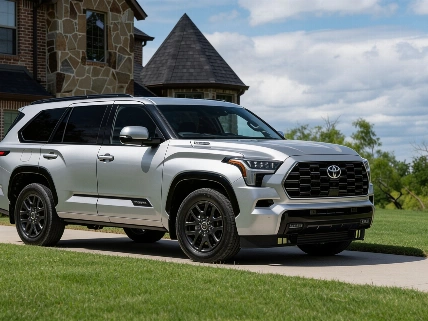
Used car prices in Spain surge after months of decline

The average price for a used car in Spain has jumped to 17,281 euros after two consecutive months of increases. Madrid has the highest prices, with País Vasco and Cataluña close behind; Castilla-La Mancha remains the most affordable region.

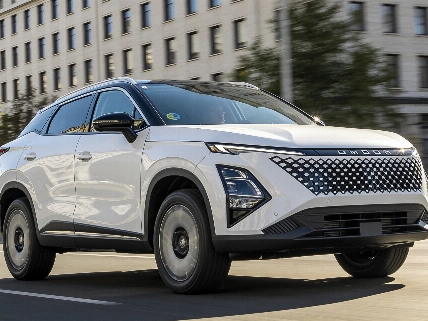
Omoda 5 SUV breaks sales records in Spain

The Omoda 5 has surpassed 30,000 units sold in Spain, reshaping the SUV market and accelerating the rise of Chinese automakers. Its rapid growth and electrified lineup have made it a basic player among private buyers.

Old diesel sedans dominate vehicle scrapping in Ávila

Ávila scrapped 5,038 vehicles in 2025, with an average retirement age of 19.2 years. The province stands out for its aging fleet, where diesel sedans and family cars outnumber small city models, reflecting a slow pace of renewal.

Young Drivers Rely on Car Autopilot for Distractions

Nearly half of young drivers admit using car assistance systems to multitask behind the wheel. As France trials Tesla’s autonomous tech, Europe faces tough questions about automation’s real impact on driver attention.

Canary Islands shoppers face a €2,167 supermarket gap

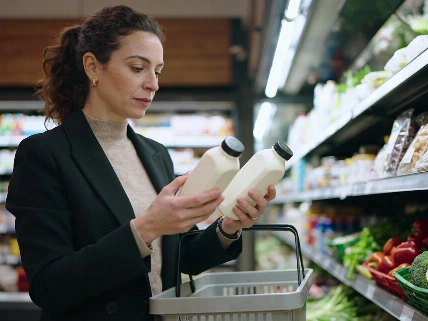
A supermarket choice in Las Palmas can change a household's annual bill by up to €2,167. OCU ranks Carrefour as the cheapest option in several Canary Islands cities, while grocery prices remain far above their level five years ago.

Spain's Growth Runs Into a Sharper Grocery Bill

Spain's economy grew by 0.7% in the second quarter and by 2.6% year on year. Household spending and investment drove the rise, while fresh food prices climbed much faster than the average basket.

Donostia's supermarket gap reaches €1,676

The OCU found a €1,676 yearly difference between the cheapest and most expensive supermarket options in San Sebastián. Irun's average grocery bill is higher still, at €6,880.