Felipe VI sets first royal visit to Ceuta and Melilla
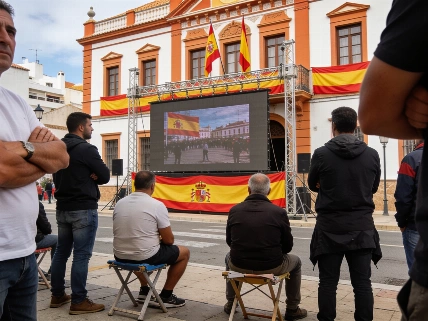
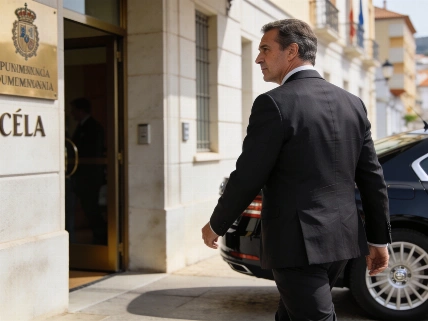
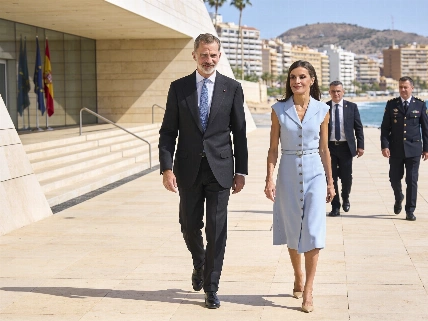
Felipe VI and Letizia will visit Ceuta on 13 October and Melilla on 14 October. It will be their first trip there as King and Queen, after months of migration pressure on Spain's border.
Spain will be the only EU country to vote against the new regulation, which would allow migrants to be detained for up to 24 months and authorize deportation centers outside the EU. The move leaves Spain isolated on migration policy as the rest of the bloc pushes for tougher measures.
Italy is extending airport and port checks on travellers from Spain. Madrid is applying the same measure to arrivals from Italy until 8 October.
Spain's Defence Ministry has sent Amnesty International's report to prosecutors and a Ceuta court. The report alleges abuse against migrants and asylum seekers, and the armed forces will conduct an internal review.
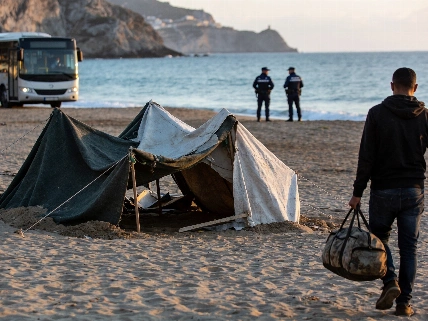
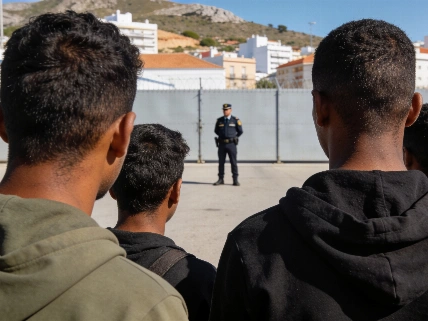
Nearly 200 migrants left Ceuta for Morocco after police cleared the Benítez beach camp. Officials called the returns voluntary, but lawyers say those who refused faced identification and a possible expulsion process.
Fatima Ezzahra El Mansouri has become the first woman to head Morocco's government. She takes office after the PAM-led election win and a year of growing anger among young Moroccans.
Miguel Ángel Pérez Triano, once the government’s top representative in Ceuta, has resigned following intense public protests and internal party strife. His departure marks the end of a turbulent period shaped by a migration crisis and political infighting.
Spanish military intelligence has identified 72 Moroccan soldiers, including 22 intelligence agents, as basic coordinators behind the recent surge of organized incursions and unrest in Ceuta. Classified reports describe an infiltration strategy aimed at destabilizing the city.
Miguel Ángel Pérez Triano is expected to leave office this Monday. His resignation follows allegations over CNI warnings before the mass arrival from Morocco and an expanding judicial inquiry.
Ceuta’s spiraling crisis has renewed calls for a state of exception, a rarely used legal tool that could allow expedited expulsions and strict controls. Legal and military voices argue it is the only way to restore order after weeks of chaos.
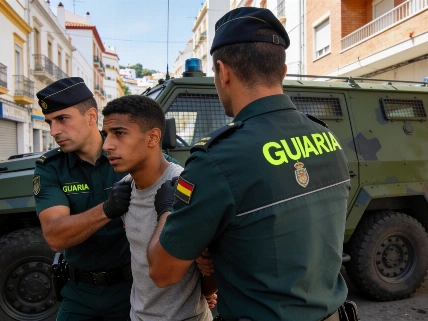
Police arrested two migrants in Ceuta after an alleged sexual assault involving a 17-year-old Moroccan girl. Officers reportedly revived her at Trampolín beach before she was taken to hospital.
A Madrid protest called for early elections and Pedro Sánchez's resignation over the Ceuta crisis. Police stopped a group moving towards La Moncloa, while a laSexta Xplica crew was attacked during the march.
More than 7,000 people had returned to Morocco by 22 September, mostly voluntarily. Spain is considering a decree to speed up further returns from Ceuta, while Sumar says asylum rights and legal safeguards must remain in place.
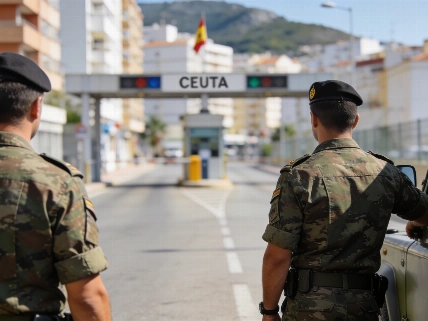
Spain’s Ministry of Defence has told soldiers in Ceuta to remove their names from uniforms to protect their identities as threats and violence rise. Troops say they feel exposed and under-equipped as attacks increase and official support remains limited.
Spain is preparing emergency rules for Ceuta that would cut asylum and court deadlines and speed returns to Morocco. The plan targets thousands of unresolved cases after the mass crossing on 30 July.
Spain is preparing emergency rules to speed returns to Morocco. The plan could shorten appeals and change how asylum claims affect expulsions as authorities handle thousands of arrivals from Ceuta.
The PP will bring a new border bill to the Senate next week. Alicia García wants returns to cover people who enter Spain by swimming. Ceuta remains at the centre of the dispute.
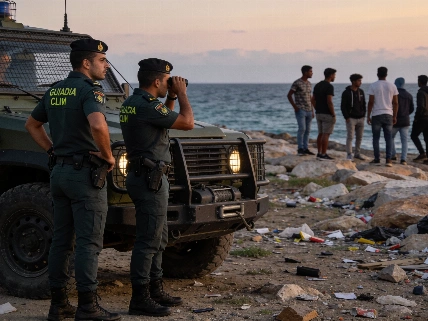
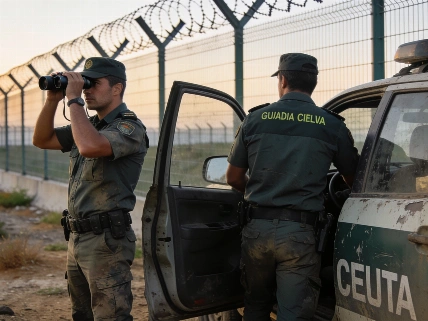
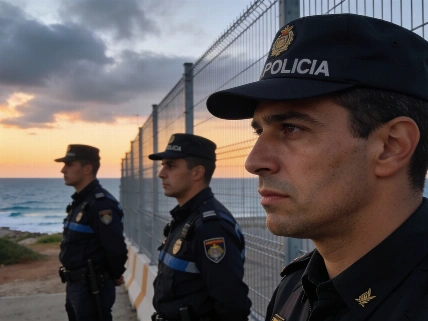
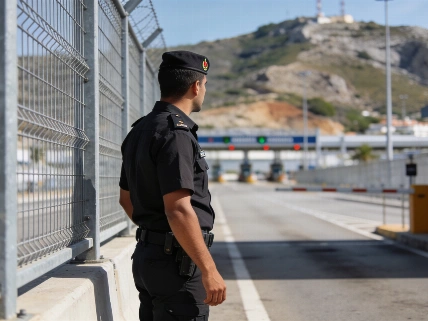
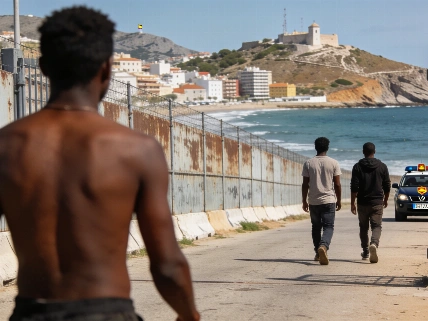
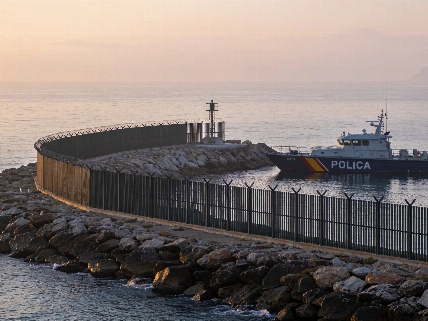
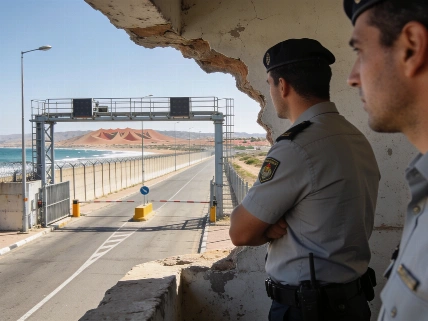
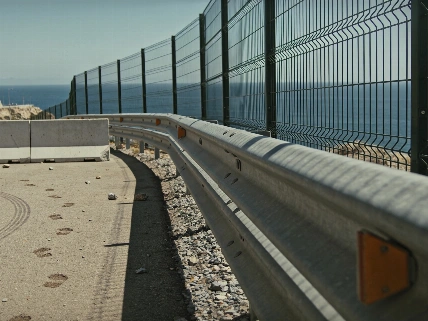
Spanish border guards have stopped a new wave of coordinated attempts by sub-Saharan groups to breach Ceuta’s fence. With Tarajal now locked down, migrants are targeting weaker points and attempting sea crossings, prompting a rapid response from authorities.
Pedro Sánchez separates the Ábalos case from investigations involving his wife and brother. At Harvard, he blamed the right and far right for a campaign against his government.
Pedro Sánchez has admitted Morocco’s border controls failed during the Ceuta crisis, but his coalition partners are not convinced. The place and language of his statement have deepened the rift, with allies demanding answers.
France and Morocco are planning a high-voltage undersea cable to link their power grids. The project could reshape energy flows between Europe and North Africa, especially after Morocco’s failed UK deal.
Pedro Sánchez defended his record before Harvard students. Questions about corruption, Pegasus and Venezuela pushed artificial intelligence aside and put the political disputes around his government at the center of the event.
Morocco says it will cooperate with Spain on returning migrants from Ceuta. The promise still leaves thousands in limbo, including about 3,000 minors.
Juan Jesús Vivas, president of Ceuta, says a small group of unaccompanied migrant minors who cannot be returned to Morocco may be transferred to mainland Spain. The position breaks with the Partido Popular’s hard line and exposes divisions within the party.
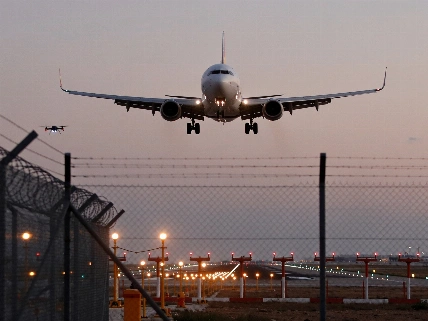
A drone operating from Moroccan airspace delayed an Iberia landing in Melilla on 22 September. Spain has asked Morocco to adjust drone flight levels, while AENA says the airport had no cancellations and did not need to close its airspace.
Cuca Gamarra defended Ana Vázquez after the Congress incident, saying the dispute over the pepper spray was diverting attention from insecurity in Ceuta.
A DYM poll finds widespread doubts about the Government's response in Ceuta. More than half of Socialist voters question how the crisis was handled and whether enough resources were used.
Morocco recorded 61.98% abstention in its legislative elections, with only 38.02% of registered voters casting ballots. The result exposes a wide gap between the registered electorate and the broader population entitled to vote.
Pedro Sánchez praised Morocco's security deployment at Ceuta and Melilla after preventive measures stopped a renewed mass-entry attempt on 23 September. The operation followed July's far larger crisis and renewed debate over border control, including migrant screening, and Spain's responsibility for reinforcing the enclaves.
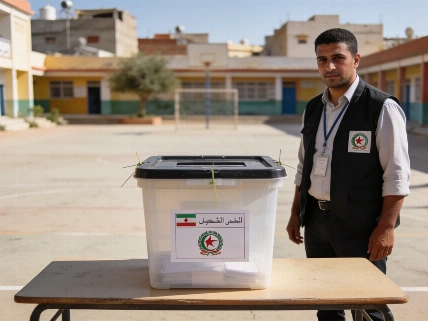
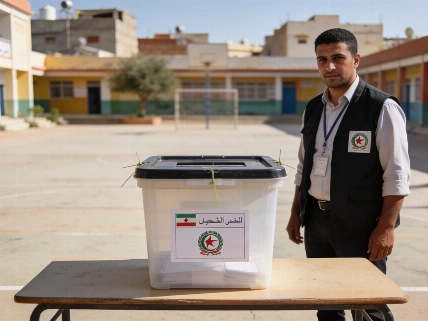
Only 38.02% of Morocco's registered voters took part in the legislative election. A Tangier arrest and an investigation into a ballot box added pressure on election officials.
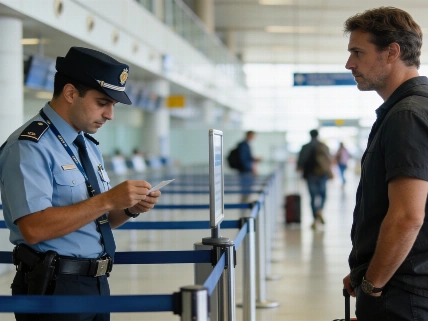
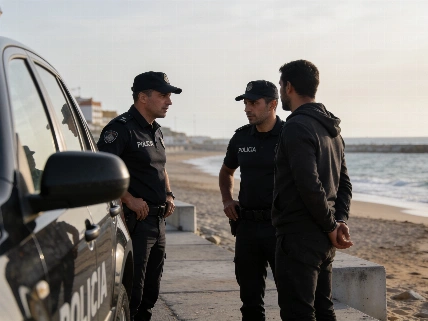
A Moroccan man convicted of terrorism has been detained in Ceuta and expelled to Morocco after police confirmed he was barred from entering Spain. The arrest came as Spain and Morocco tightened security along the border.
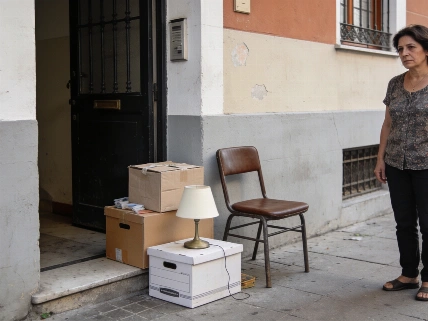
Pedro Sánchez called the eviction of 87-year-old Maricarmen a social tragedy and demanded urgent parliamentary action. He blamed Madrid authorities for failing to protect a vulnerable tenant and said the Government would bring its housing decree back to Congress.
Morocco votes on 23 September as Spain watches the Ceuta and Melilla borders. Rabat faces pressure after the July crisis, while new calls to cross have appeared on social media.
The opposition will question four ministers over the Ceuta crisis. Margarita Robles and Fernando Grande-Marlaska face the toughest scrutiny after conflicting accounts of intelligence warnings and a recent parliamentary reprimand.
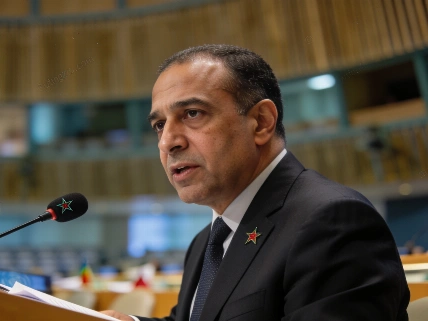
Morocco says the Western Sahara dispute has entered an irreversible phase. Foreign Minister Nasser Bourita tied the claim to a 2025 Security Council resolution and rejected a return to the status quo.