Ceuta protesters march to Tarajal beach over migration crisis
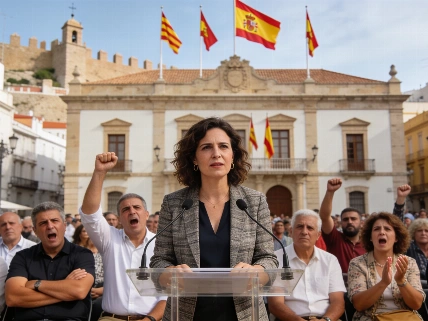
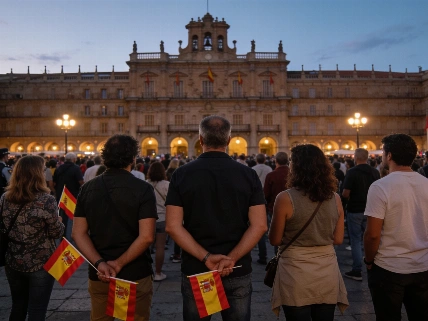
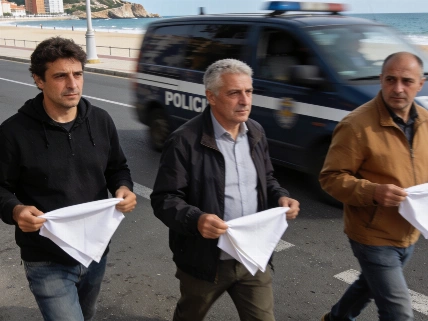
More than 200 people marched toward El Tarajal in Ceuta. Residents called for stronger border protection and the resignation of the Government delegate.
More than 200 people marched toward El Tarajal in Ceuta. Residents called for stronger border protection and the resignation of the Government delegate.
Carles Puigdemont has questioned Spain's position on Ceuta and Melilla. His remarks come as migration pressures lead a new political clash.
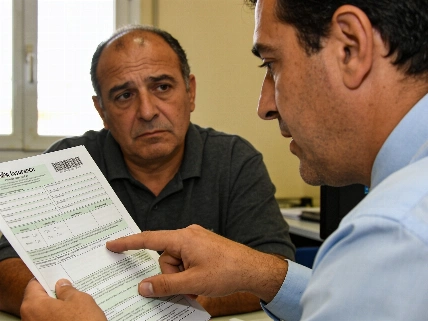
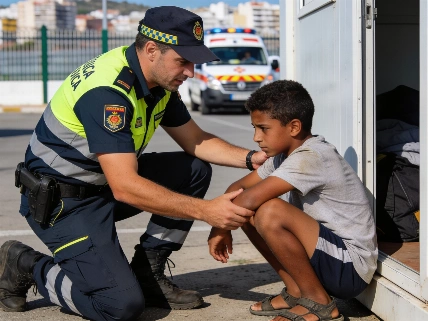
Spanish prosecutors are examining complaints from migrant minors in Ceuta. Several girls report insults and degrading treatment, including threats of rape, while some who fled the centres are still sleeping on the street.
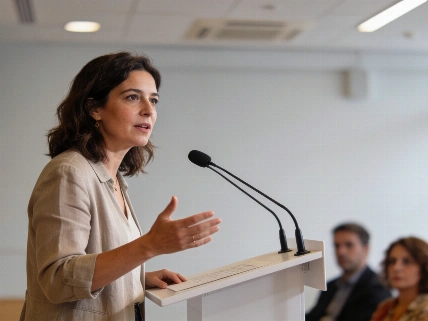
Rebeca Torró attacked Alberto Núñez Feijóo at a PSOE conference in Alicante. She accused Juan Jesús Vivas of blocking the government’s response to the migration crisis in Ceuta.
The PP has again summoned Marlaska, Robles and Albares to the Senate. Their earlier absence led to court action and widened the dispute over the Government’s duty to answer to Parliament.
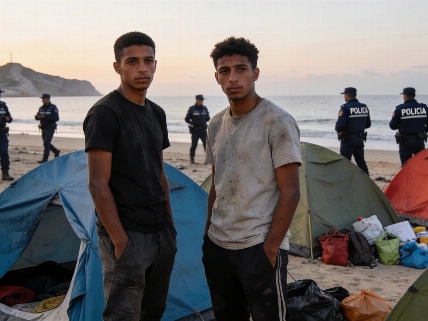
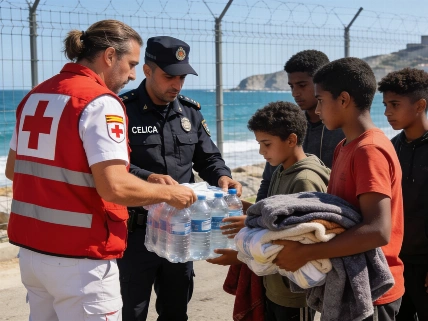
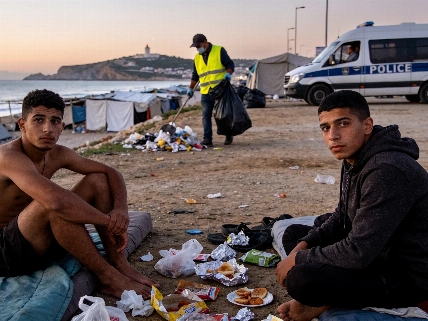
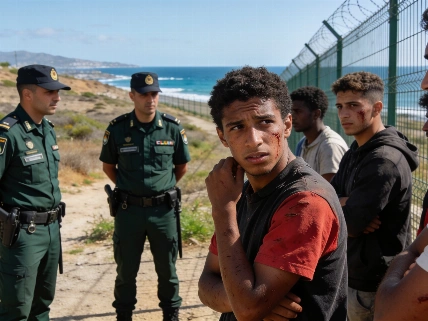
Ceuta’s new port camp was built for 1,700 people, but more than 2,000 migrants were turned away and sent back to the beaches. The city is now asking the European Union for urgent support.
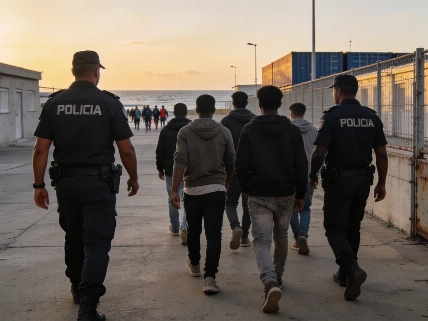
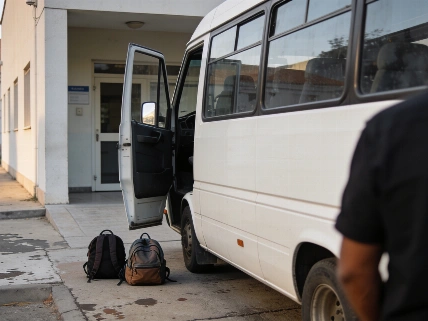
Around 1,700 migrants spent their first night at Ceuta’s port after being moved from nearby beaches. The operation has prompted a legal challenge and renewed the political clash between the PSOE and PP.
A government operation to relocate migrants from Ceuta’s beaches descended into chaos when more than 2,000 people emerged from hiding, exposing the scale of the crisis and leaving authorities scrambling for solutions.
Alberto Núñez Feijoo has pledged an integrated strategy for Ceuta and Melilla, including weekly Cabinet attention for both cities. Support from Brussels gives the proposal a broader European structure.
Castilla y León, Aragón and Extremadura are receiving minors from Ceuta despite pledges by their PP and Vox governments to reject further arrivals. The transfers continue under Spain’s immigration law.
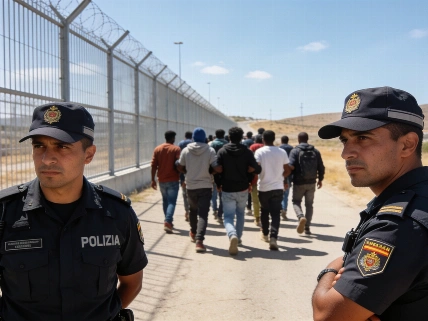
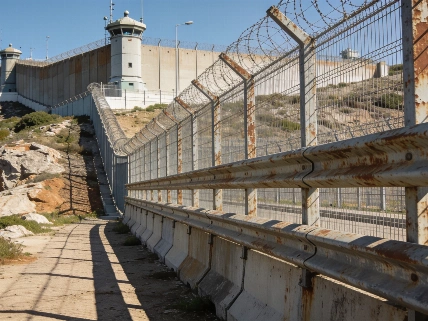
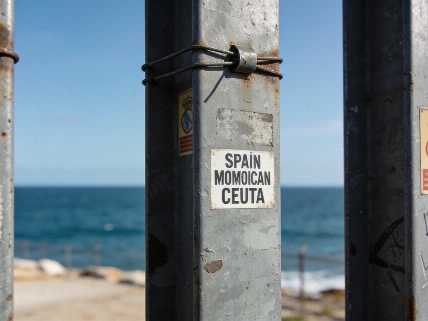
Ceuta has been thrown into turmoil after 70,000 Moroccan migrants entered the city in just two days. With daily life upended and authorities locked in conflict, Spain’s largest migration crisis remains unresolved after fifty days.
Luis Manuel Chavarría is detained in Florida and could be deported to Nicaragua. Reporters Without Borders says Spain must act quickly to protect the journalist, who holds Spanish nationality.
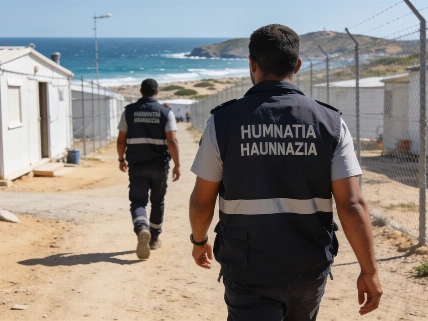
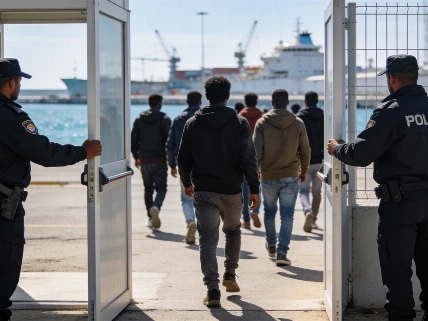
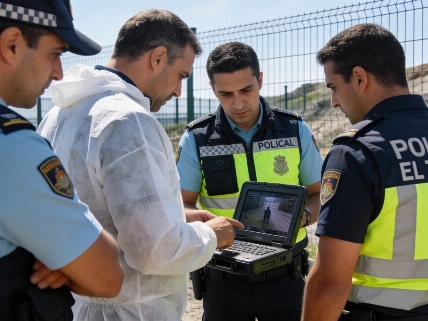
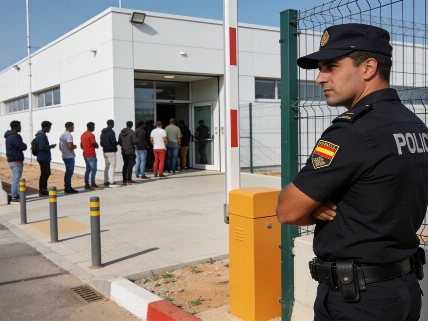
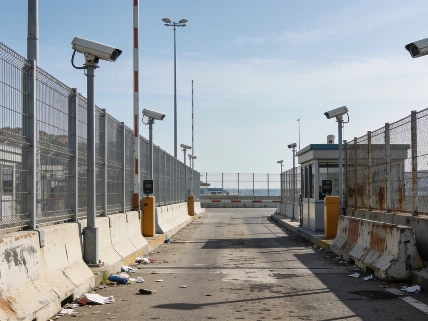
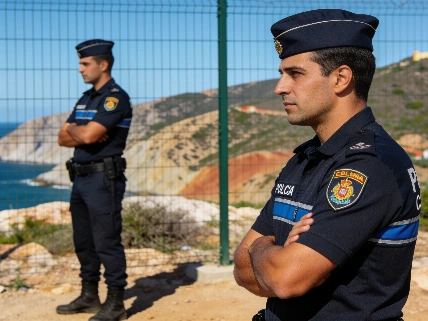
Spanish police moved hundreds of migrants into a temporary camp in Ceuta. The facility reached its 1,700-person capacity within hours, as tensions emerged at the entrances.
More than 3,000 migrants were moved to a temporary port centre in Ceuta. Feijóo promised tighter border controls and additional security forces if elected.
Official estimates for Ceuta remain sharply divided. The latest figures range from 2,000 to 13,000 people, with separate discrepancies over arrivals, returns and unaccompanied minors.
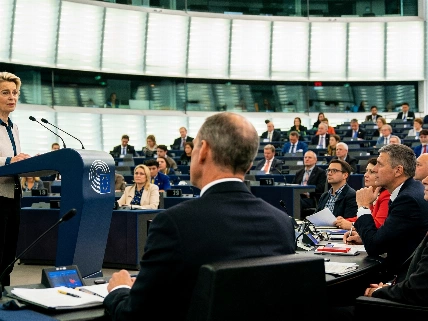
A European Parliament resolution directly criticizes Pedro Sánchez over Spain’s handling of the migrant influx into Ceuta and raises the prospect of economic sanctions against Morocco. The move exposes sharp divisions in Brussels over migration policy and Spain’s border strategy.
Tensions flared at Melilla’s official celebration as Minister Elma Saiz was loudly booed while PP leader Alberto Núñez Feijóo received applause. The city’s president accused Madrid of inaction and demanded the return of undocumented migrants.
Spain’s Audiencia Nacional is investigating who coordinated the July mass entry into Ceuta. Judge María Tardón has ordered biometric and financial analysis to identify those responsible. Authorities face pressure to clarify the scale and planning behind the event.
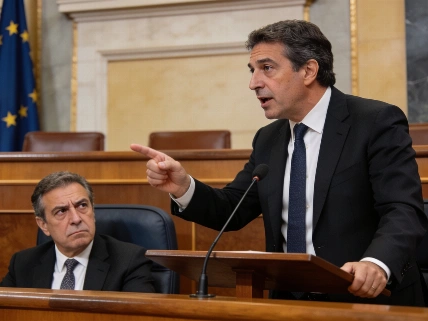
Spain’s Congress saw a heated exchange as Alberto Núñez Feijóo demanded answers from Pedro Sánchez about the Ceuta migrant crisis and Spain’s dealings with Morocco. The government’s evasive responses prompted the opposition to call for accountability.
Madrid's overseas electoral census is expanding at twice the national rate, fueled by new Spanish citizens choosing the region under the Democratic Memory Law. The shift is reshaping overseas voter participation and highlights Madrid's position in Spain's changing migration dynamics.
Moroccan political parties have revived sovereignty demands over Ceuta and Melilla. Migrants stranded in Ceuta face harsh conditions, while humanitarian concerns are sidelined as the election campaign intensifies.
Ursula von der Leyen prepares for a basic address as the EU faces hybrid attacks and migration tensions amid shifting alliances. The presence of Canada’s prime minister signals a recalibration of global partnerships.
Spain plans to open two permanent migrant identification centers in Ceuta and Melilla, each with 800 beds. The goal is to process arrivals more quickly and reduce overcrowding in public spaces.
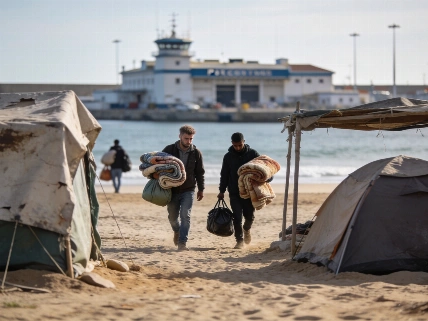
Authorities in Ceuta are set to dismantle the Trampolín beach camp. With far too few beds at the new port shelter, most migrants face another night outside, caught between violence and uncertainty, with officials silent.
Justice Minister Félix Bolaños is urging the Supreme Court to act quickly on the CERA suspension, a dispute that could affect the voting rights of 400,000 Spaniards abroad. Political accusations are intensifying ahead of the 2027 elections.
The European Commission has publicly supported Morocco after thousands of migrants crossed into Ceuta. Brussels is now urging Spain to speed up returns and tighten border controls, exposing sharp divisions within the European Parliament.
A surge of more than 70,000 migrants into Ceuta in July has sparked a political storm in Spain. The king called the situation “extraordinarily complex,” as parties clashed over what to do with unaccompanied minors and Morocco’s role in their return.
Más Madrid dismisses the idea that Morocco is blackmailing Pedro Sánchez with Pegasus data, arguing that migration control is the real source of pressure. The debate highlights Spain’s limited options with Rabat.
Pedro Sánchez has defended his government's alignment with Morocco during the Ceuta migrant crisis, insisting most arrivals must be returned there. Facing criticism from political rivals and coalition partners, Sánchez has set a year-end target for restoring order in the city.
Antena 3 led prime time as Ceuta’s president challenged Madrid’s handling of the border crisis. El Hormiguero nearly doubled its rival’s audience, while Pedro Sánchez’s defense on El Intermedio did little to close the gap.
The European Parliament is reconsidering its migration pact with Morocco after a mass crossing into Ceuta. The incident has put Spanish sovereignty and EU border policy in the spotlight.
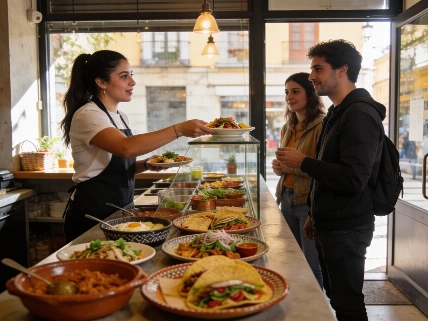
Madrid now has 187 Mexican restaurants, as the local Mexican community doubles in a decade. Authentic cuisine and investment are changing the city's gastronomic field, while the Copil seal sets a new standard for quality and tradition.
The Partido Popular is using the Ceuta crisis to challenge the government at the European level. Feijóo and his allies are pushing for tougher action, exposing sharp divisions over migration policy as pressure mounts on Sánchez.
Pedro Sánchez insists on cooperation with Morocco during the Ceuta migrant crisis. The government has set a year-end target for stability, while opposition parties and public opinion remain unconvinced by Madrid’s approach.
Juan Vivas appeared on El Hormiguero to confront the aftermath of the recent border breach in Ceuta. The president delivered a pointed message of gratitude and unity. His intervention comes as the city faces ongoing migration pressure.