Spain weighs newborn screening for inherited high cholesterol
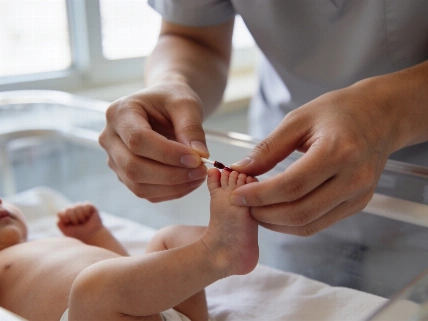
Spain is considering newborn screening for familial hypercholesterolaemia. A low-cost test could identify affected children and prompt checks for relatives before heart disease appears.
Spain is considering newborn screening for familial hypercholesterolaemia. A low-cost test could identify affected children and prompt checks for relatives before heart disease appears.
Restless legs syndrome may affect up to 10% of adults and around 4% of children and adolescents. In children, it is often mistaken for growing pains, and diagnosis can take more than a decade.
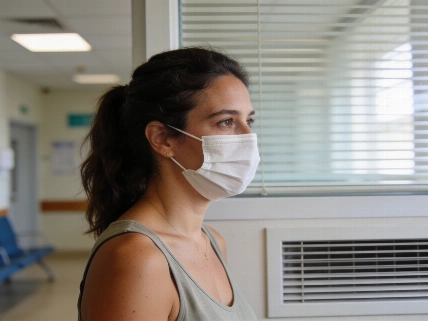
COVID-19 is driving the latest rise in respiratory infections in Spain, while flu remains below its seasonal peak. Doctors urge caution and say there is no cause for alarm.
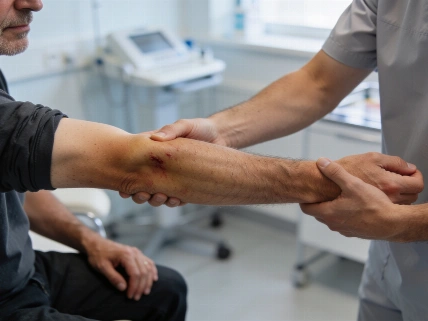
A Spanish-led treatment cleared a stubborn battlefield infection. The patient avoided amputation and regained some elbow movement after receiving a bacteriophage alongside colistin.
More than two million people in Spain may have restless legs syndrome. Up to 90% of cases may go undiagnosed while symptoms disrupt sleep and daily rest.
A European study followed almost 21,000 patients after high-risk polyp removal. Its findings suggest that surveillance could move from three years to five without raising cancer risk.
Covid is currently the most common respiratory virus detected in Spain. Flu cases are nearly three times higher than last year, while bronchitis and bronchiolitis are also increasing.
Covid infections and hospital detections are rising in Spain as autumn begins. The increase remains mild, but it is renewing focus on protecting vulnerable groups.
Researchers corrected a hidden DNA mutation in human cells linked to propionic acidemia. The experiment restored production of the affected protein and could help improve diagnosis and future personalized treatments.
Spanish researchers corrected a faulty DNA reading signal in human cells. The change restored part of an enzyme needed for metabolism, though a possible treatment is still years away.
A Clínic-IDIBAPS study shows how one tumour clone can gain an advantage over others in Waldenström macroglobulinaemia. The findings link genetic changes and immune-cell interactions to disease progression.
A Swedish study found that congenital TORCH infections were linked to much higher risks of autism and intellectual disability. The infections are rare, but some can be prevented.
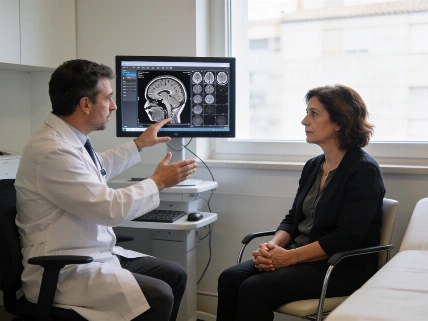
Researchers in San Sebastián are testing whether damaged myelin helps lead Alzheimer's disease. The work could improve early detection and guide treatments that protect the brain's neural insulation.
Researchers found more active meprin-β in the brains and cerebrospinal fluid of people with Alzheimer's disease. The enzyme may help explain beta-amyloid processing and could become a candidate disease indicator.
A Spanish research centre is testing a different explanation for Alzheimer's. The project asks whether damaged myelin disrupts brain circuits before symptoms become clear.
Women account for nearly twice the Alzheimer's prevalence seen among men, and early signs can remain subtle for years. Mercè Boada explains why diagnosis and new treatments are changing the field.
Eating disorders are increasingly affecting middle-aged women in Spain, but restrictive habits are often mistaken for healthy self-care. Menopause can make the warning signs even harder to spot.
Pierre Fabre has chosen Spain for Même's first international launch. The dermocosmetics brand will arrive in pharmacies and El Corte Inglés with products for oncology patients and people with sensitive skin.
CAR-T therapy is changing care for blood cancers, especially after relapse. But access still depends on specialist hospitals, manufacturing capacity, cost and distance.
Blood tests can now detect signs of Alzheimer's earlier, while new drugs can slow decline in selected patients. Spain has yet to approve public funding for either treatment.
Pharmacies in Galicia are seeing more consultations for respiratory symptoms and stronger demand for cold medicines. The increase is regional and does not yet show that Spain is facing a new nationwide Covid wave.
After months out of the spotlight, Lucas González has revealed the outcome of his nasal reconstruction. The former Andy y Lucas member describes the medical ordeal that took him abroad and the long recovery process.
Routine blood tests may reveal cancer risk earlier than previously thought. Oxford researchers found that tracking changes over time, rather than looking only at individual abnormal results, can give doctors an earlier warning. This approach could help primary care teams identify cancer sooner and avoid unnecessary tests.
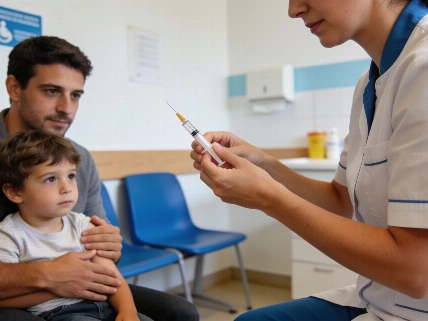
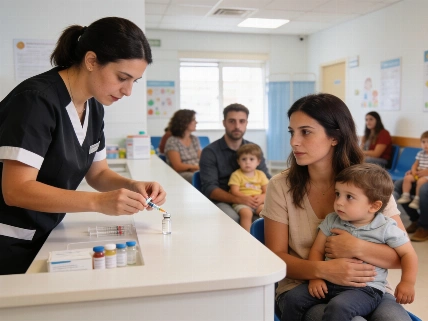
Vaccination rates for children have declined in most EU countries since 2019. Spain now reports lower coverage for five of the seven vaccines tracked. The trend reverses decades of progress and raises new public health concerns.
A major study finds that childhood vaccination rates in Europe have stopped rising and are now declining in many countries. Spain maintains high coverage, but recent drops raise concerns about future outbreaks and public health risks.
Spain’s leading immunologists are tackling emerging pathogens and vaccine new idea. The latest congress received a record 284 scientific submissions. Experts say ongoing research and public trust remain critical to future protection.
Microorganisms make up most of the planet’s biomass and are impressive to human health, underpinning food systems and the environment. Despite their reputation, only a tiny fraction are harmful. Their influence is far greater than most people realize.
The Servicio Extremeño de Salud has identified two more West Nile fever cases in Extremadura, bringing the 2026 total to 48 infections and two deaths. Several patients remain hospitalized across the region.
Francesc Augé is still hospitalized after a suicide attempt linked to a stalled euthanasia request. His case reveals serious problems in Spain’s end-of-life legal process and the impact of court intervention.
A leading Madrid hospital lowered the priority of 57 patients on its surgery list to make waiting times look better. Medical unions say the move manipulates official data, raising concerns about the reliability of regional health statistics.
Spanish researchers are testing new immunotherapy approaches for multiple sclerosis, a disease that can advance quietly in the brain. Early detection and treatment remain critical as patients and doctors face uncertainty over how therapies will evolve.
The Pitt has become a rare phenomenon in television. Real doctors now cite it as the most authentic portrayal of emergency medicine. Its Emmy sweep in 2026 signals a shift in how medical dramas are judged.
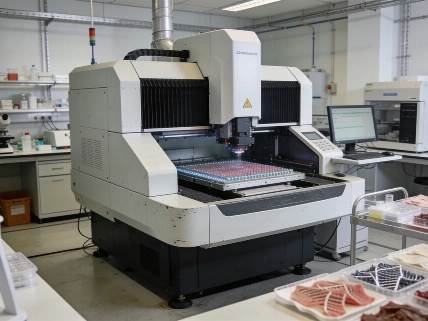
A new 3D spatial transcriptomics platform at CNAG in Barcelona lets researchers study gene activity in tumours while keeping tissue structure intact. The first project focuses on colorectal cancer.
US tariff policy changes are forcing European pharmaceutical firms to cut drug prices or face new barriers. The European industry warns of growing risks to investment and innovation. The sector now trails China and the US in discovering new treatments.
Spain has installed its first 3D spatial transcriptomics platform at CNAG in Barcelona. The technology allows researchers to study gene activity in real tissue environments. Its first project targets colorectal cancer, with the aim of improving diagnostics and therapies.