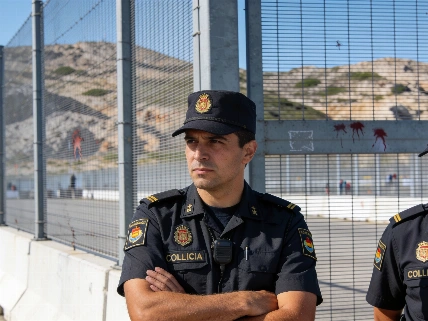
Ceuta's migration crisis puts EU response to the test
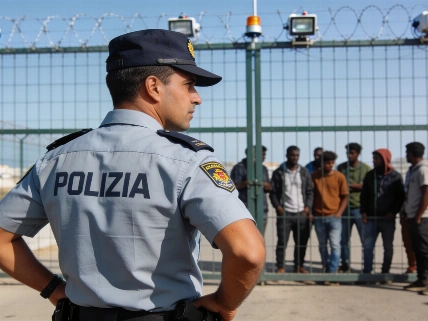
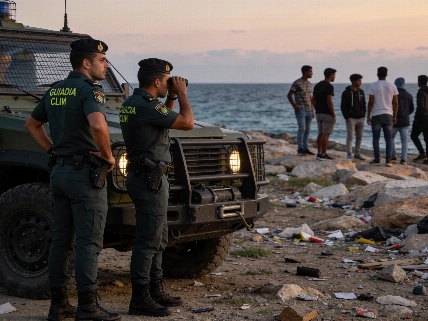
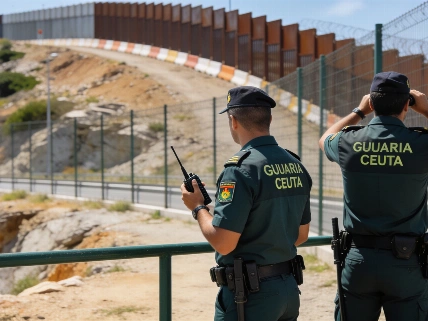
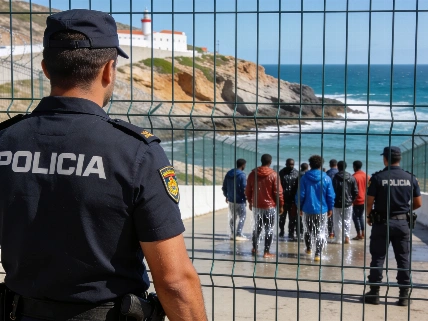
Ceuta's migration emergency has forced EU leaders to confront urgent calls for action. Spanish and European officials are debating tougher border measures and a permanent EU presence in the city.
Ceuta's migration emergency has forced EU leaders to confront urgent calls for action. Spanish and European officials are debating tougher border measures and a permanent EU presence in the city.
Archbishop Jesús Sanz of Oviedo has sharply criticized Spain’s handling of the Ceuta migration crisis, claiming the city is overwhelmed and Spanish sovereignty is at risk. Sanz has called for stricter integration policies and questioned the government’s leadership.
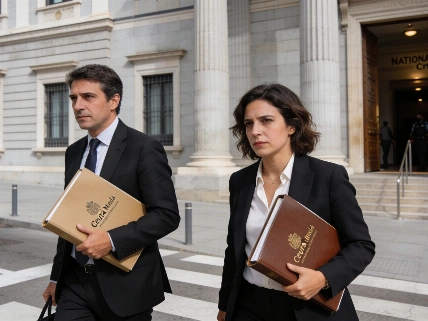
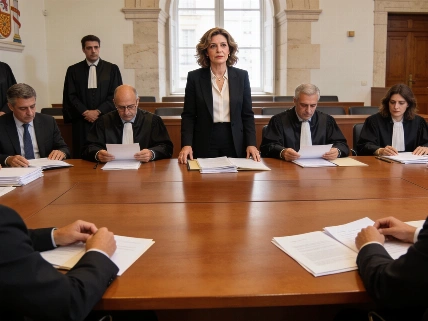
Spain’s National Court has formally recognized Ceuta as a direct victim in the July migrant influx. The city’s legal team now joins the case as a private prosecutor. The move signals a shift in how authorities address mass border entries.
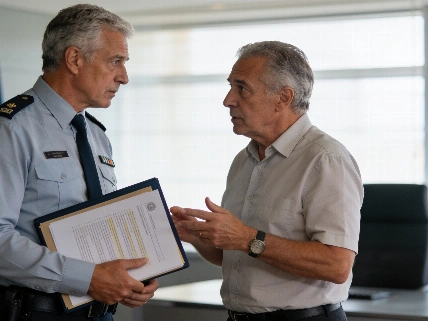
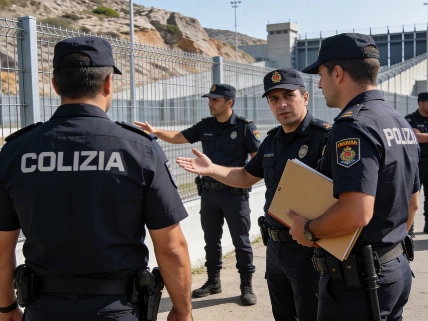
Top police officials rejected a report that would have absolved Morocco of involvement in the Ceuta border incident. The move highlights internal resistance to the official government narrative, as tensions remain high over responsibility for the mass entry.
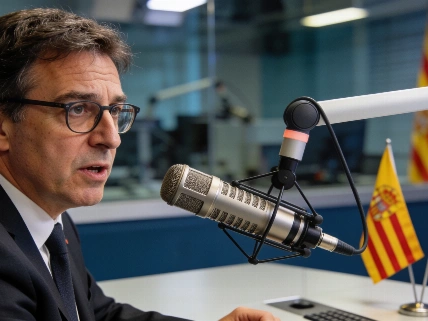
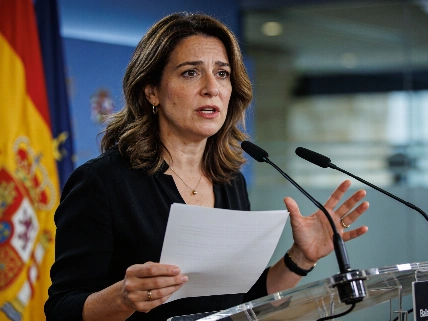
Spain’s Interior Minister denies Moroccan involvement in the Ceuta border crisis. Despite police reports implicating Moroccan gendarmes, Marlaska insists on strong cooperation. The government faces criticism over its handling of migrant returns.
Ceuta’s president initially backed using the port for migrants but later withdrew his support. The reversal prompted Madrid’s intervention and accusations of sabotage. Official records show how events unfolded.
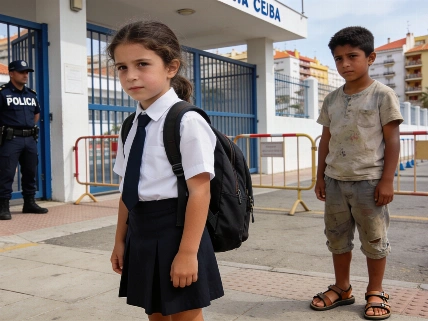
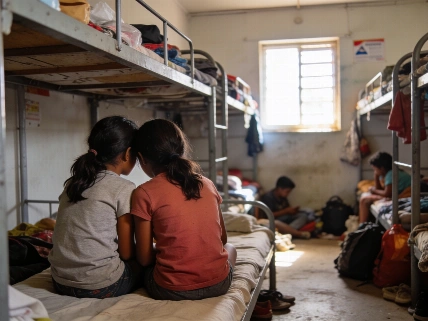
Ceuta’s new school year begins under strict security. Local families confront the reality of migrant children living in makeshift camps. The city’s border crisis exposes sharp contrasts in childhood and chance.
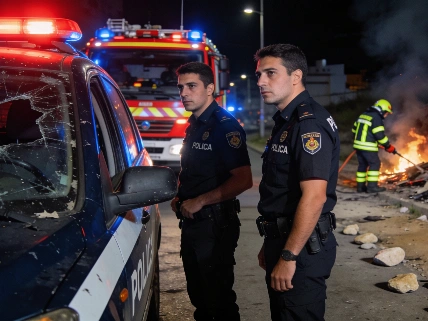
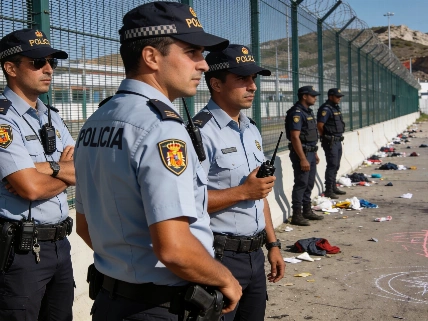
Emergency teams in Ceuta were attacked with stones while responding to a fire in an illegal migrant camp. One officer was injured and police vehicles were damaged. No arrests have been made so far.
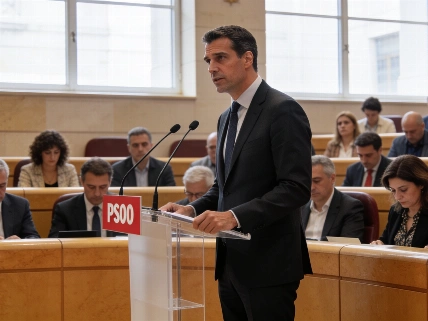
Pedro Sánchez is invoking the German far right’s victory to rally PSOE amid mounting criticism over Ceuta. The government promises transparency but avoids mentioning Morocco directly. Tensions are rising as support erodes and new budget battles loom.
Spain’s Interior Minister rejects claims that Moroccan authorities orchestrated the mass entry of migrants into Ceuta. Marlaska insists that cooperation remains strong, despite police reports suggesting otherwise. The crisis highlights deep divisions over border management.
Catalonia will help receive migrant minors from Ceuta, but only within strict boundaries. Salvador Illa rejects unconditional solidarity and criticizes Madrid’s approach to regional funding and social policy.
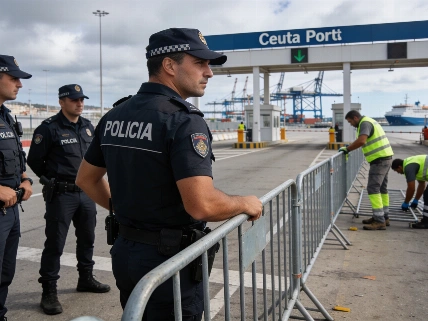
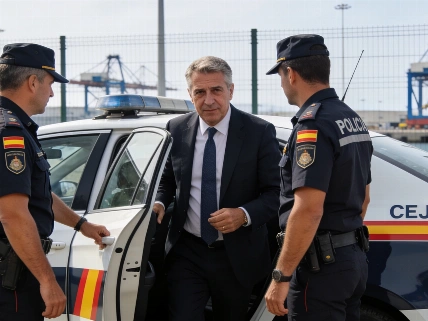
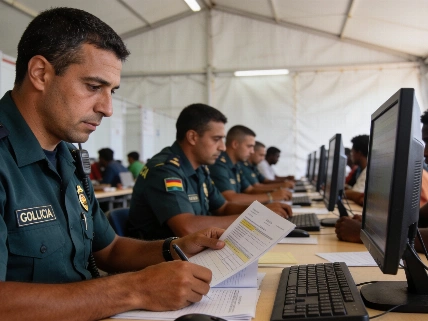
Fernando Grande-Marlaska is returning to Ceuta amid a surge of more than 70,000 arrivals from Morocco. Tensions with local authorities have intensified as the government resists opening the port for migrants. Security reinforcements and new facilities are also in focus.
Donald Trump has accused Spain of losing control at its border after the mass entry of migrants in Ceuta. The US president links the crisis to Madrid’s refusal to boost defense spending. Tensions between the two governments are escalating.
Ceuta authorities have identified 21 Moroccan migrants accused of throwing stones at military and Guardia Civil patrols. No injuries were reported, though accounts of the incident differ. The attack has fueled local protests and prompted new government measures for migrant accommodation.
A confidential police report on Moroccan cooperation in the Ceuta border surge has ignited a fresh crisis for Interior Minister Grande-Marlaska. The fallout reveals old wounds and operational strains inside Spain’s security forces.
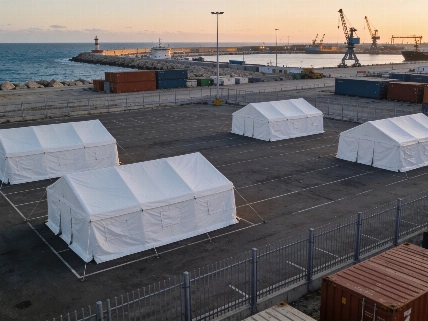
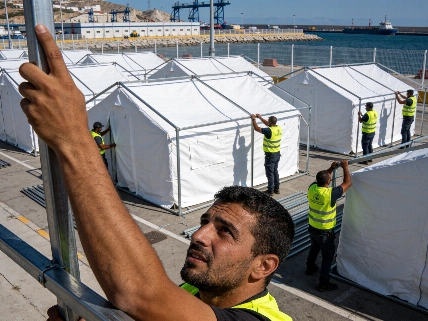
Madrid has taken direct control of Ceuta’s port to accommodate more than 1,000 migrants. The move bypasses local president Vivas and has triggered protests among residents and officials. The decision highlights the escalating migration crisis in the enclave.
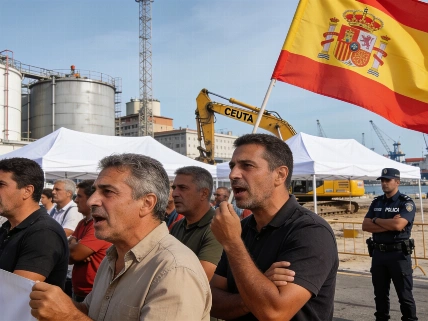
Ceuta’s port district faces backlash over a new migrant camp. Residents object to its proximity to schools and shops, while the government insists on proceeding despite local opposition. The facility is set to house up to 1,000 people.
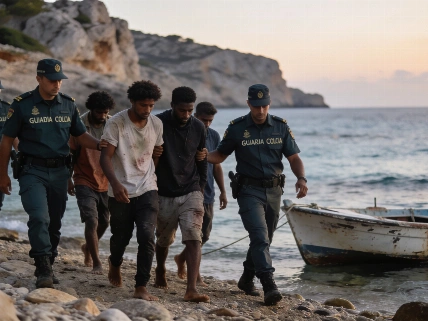
Fifty-six migrants landed on Mallorca, Cabrera, and Formentera in four boats. Authorities intercepted all groups within hours. Arrivals to the Balearic Islands have risen sharply this year.
Madrid has overridden Ceuta’s local authorities to install a temporary camp for more than 1,000 migrants at the city’s port. The move followed a last-minute rejection by the port’s board, escalating a political standoff over migration management.
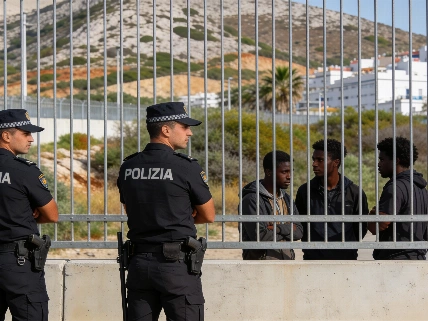
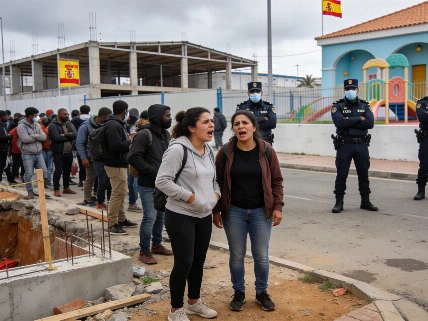
Ceuta’s border districts are overwhelmed as migrant arrivals strain local resources. Residents are protesting new shelters near schools. The city remains divided between those who see migrants as invaders and those who offer support.
A judicial investigation into the Ceuta border tragedy has sparked fierce political and legal battles in Spain. Leaked police documents and allegations of Moroccan involvement have put the government under intense scrutiny. The fallout could reshape Spain’s approach to migration and state responsibility.
Ceuta’s child protection system is overwhelmed, with more than 1,700 minors in its care. The Ministry of Juventud e Infancia has 500 places ready on the mainland, but the PP’s refusal to sign off leaves vulnerable girls in limbo. The crisis exposes deep political rifts.
Alberto Núñez Feijóo accuses Pedro Sánchez of failing Ceuta during the migration crisis. The PP leader calls for a political shift and criticizes PSOE mayors for not joining solidarity marches. Tensions rise ahead of basic elections.
A new Guardia Civil report to the National Court judge confirms prior intelligence contacts but says no one foresaw the scale of the Ceuta border crisis. The document intensifies scrutiny of Spain’s official response and highlights conflicting government accounts.
Pedro Sánchez’s handling of the Ceuta border surge faces new questions. Official statements clash with leaked intelligence and contradictions within the government, putting its account under pressure.
Spain’s National Court may open an investigation into the Ceuta migrant influx. Prosecutors cite possible crimes and alleged foreign coordination. The case could shape how Spain handles border incidents and state security.
Marga Prohens is urging Pedro Sánchez to explain why the Balearic government was not informed about a police report warning of a high risk of mass irregular migrant arrivals. The call follows the issue being raised in Congress, fueling questions about government transparency.
Spain’s National Court has publicly backed Judge María Tardón after Interior Minister Marlaska criticized her handling of the Ceuta border investigation. The judiciary says her actions were within her mandate and aimed at protecting national interests, as tensions between the government and the courts rise.
PP and Vox are escalating their campaign against Pedro Sánchez, demanding judicial accountability for the Ceuta migration crisis. Calls for prosecution and accusations of betrayal dominate Spain’s political stage, as the legal battle increasingly overshadows parliamentary debate.
More than 250 migrant women and children in Ceuta face hunger as local aid collapses. Volunteers say they will leave the camp if officials do not step in. The government has offered no solution.
Spain’s top judicial official rebuffed Interior Minister Marlaska after he protested a judge’s order barring police from briefing superiors on Ceuta’s border crisis. The dispute exposes deep institutional fault lines over control and transparency.
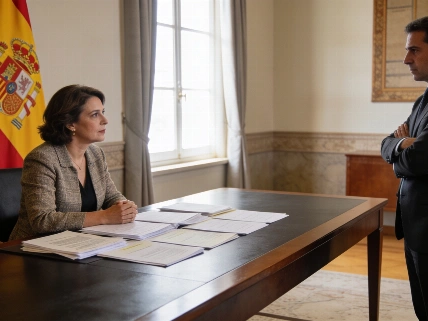
Fernando Grande-Marlaska has formally protested Judge María Tardón’s order barring police from updating their superiors on the Ceuta migration crisis, exposing an unusual clash between Spain’s Interior Ministry and the judiciary.
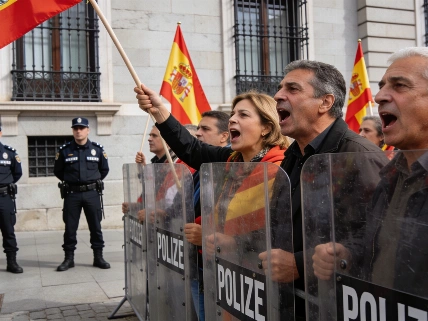
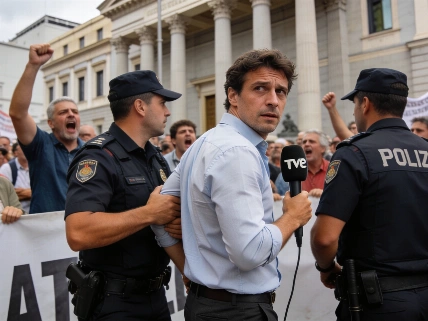
A TVE reporter was harassed by protesters in Madrid during rallies over Ceuta’s migrant crisis. Police intervened as political divisions deepened and rival demonstrations spread across Spain.
Spain’s government will publish a dossier of police and intelligence reports on the Ceuta border surge. The move follows internal clashes over whether authorities were warned in advance and is intended to clarify responsibility.
A 17-year-old migrant in Ceuta’s care has died from severe diabetes complications. The death has raised concerns about medical oversight at La Esperanza, while authorities face questions as the number of unaccompanied minors remains unclear.