
Science - Page 8
817 news
18th-Century Spanish Warship Identified Off Marbella Coast
A major Spanish naval vessel lost in 1760 has been identified off the coast of San Pedro de Alcántara, Marbella. Using over 3,000 images, researchers reconstructed the ship’s structure, revealing key details about 18th-century naval engineering and the vessel’s dramatic final hours.

BNEW 2026 Expands with Five New Sectors and 270 Speakers in Barcelona
Barcelona New Economy Week 2026 will add Gaming, AI, Energy, Agrofood and Science to its agenda. The event expects 270 speakers and over 50 sessions. New topics include the impact of AI on jobs and energy transition.
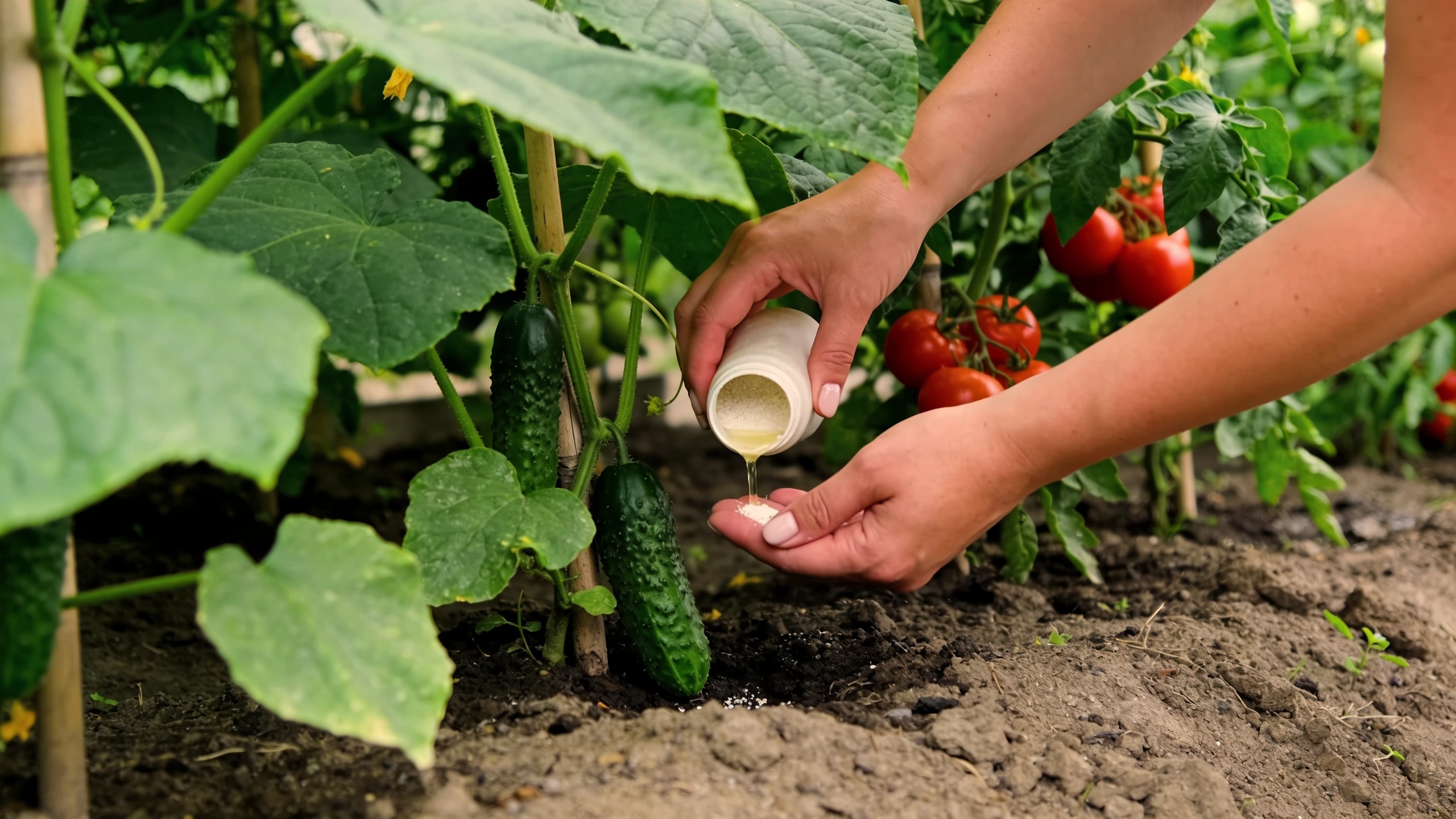
Triticale Surges in Aragón as Farmers Battle Devastating Rabbit Plague
Triticale, a cross between wheat and rye, is rapidly gaining ground in Aragón. Its resilience to wild rabbits and ability to preserve more grain are changing how local farmers defend their fields from one of Spain’s most persistent agricultural threats.

Drone Strike at Chernobyl Forces High-Risk Emergency Operation
A drone packed with explosives struck the New Safe Confinement at Chernobyl, damaging the protective structure built over reactor 4. Ukrainian rescue teams faced hazardous conditions to prevent a potential nuclear crisis. The incident highlights the growing risks to nuclear facilities in conflict zones.
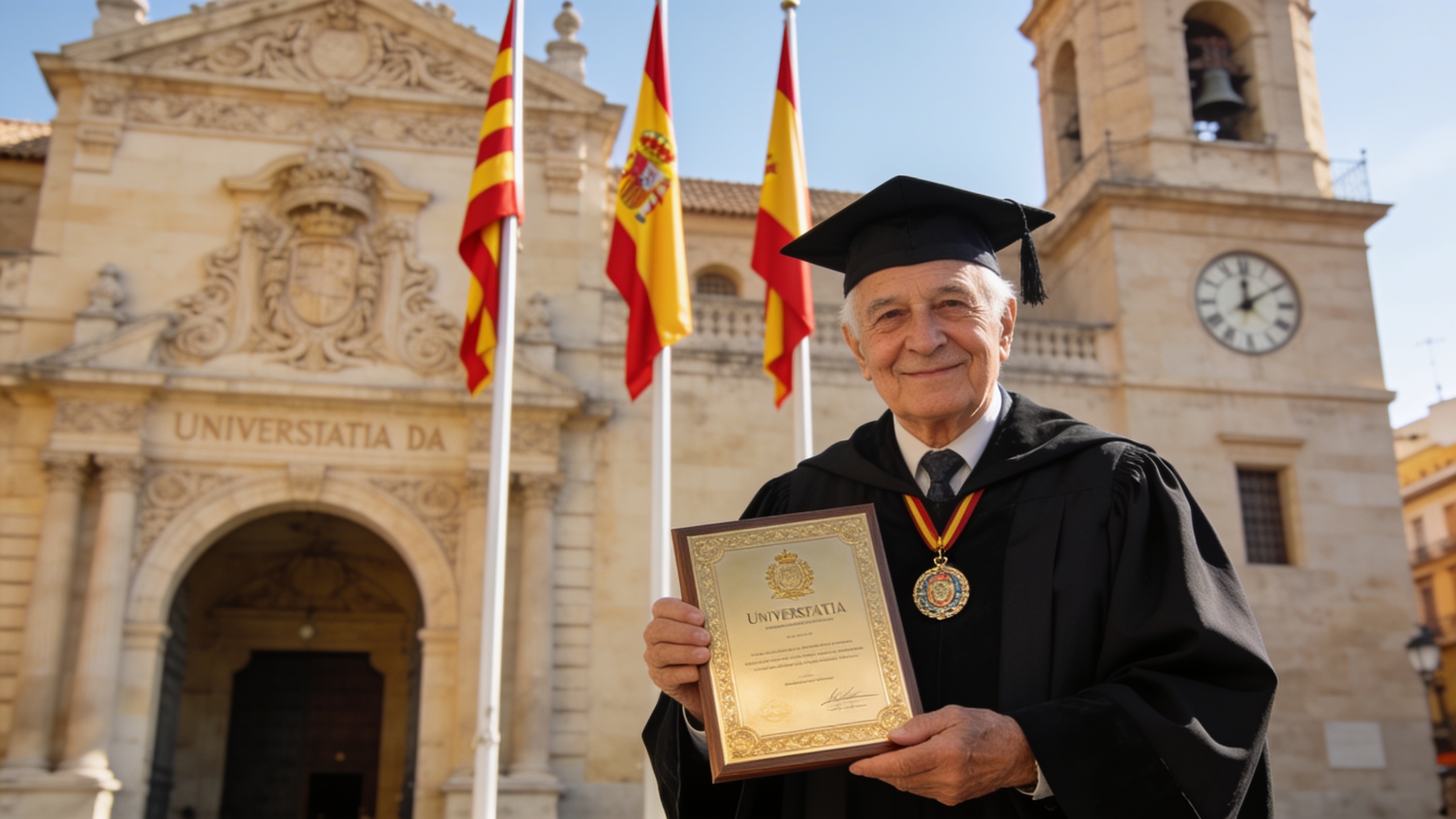
Antonio Ariño Receives 2026 National Sociology and Political Science Award
Antonio Ariño Villarroya, professor emeritus at the Universitat de València, has been awarded Spain’s top prize in sociology and political science. The recognition highlights his extensive research and academic contributions.
Century-Old Tomato Seeds Revive a Lost Spanish Variety
Emilio Medina has successfully germinated tomato seeds stored since 1916, reviving a historic Soria variety with richer flavor and larger size than most modern tomatoes. His project highlights the value of preserving Spain’s agricultural heritage and genetic diversity.
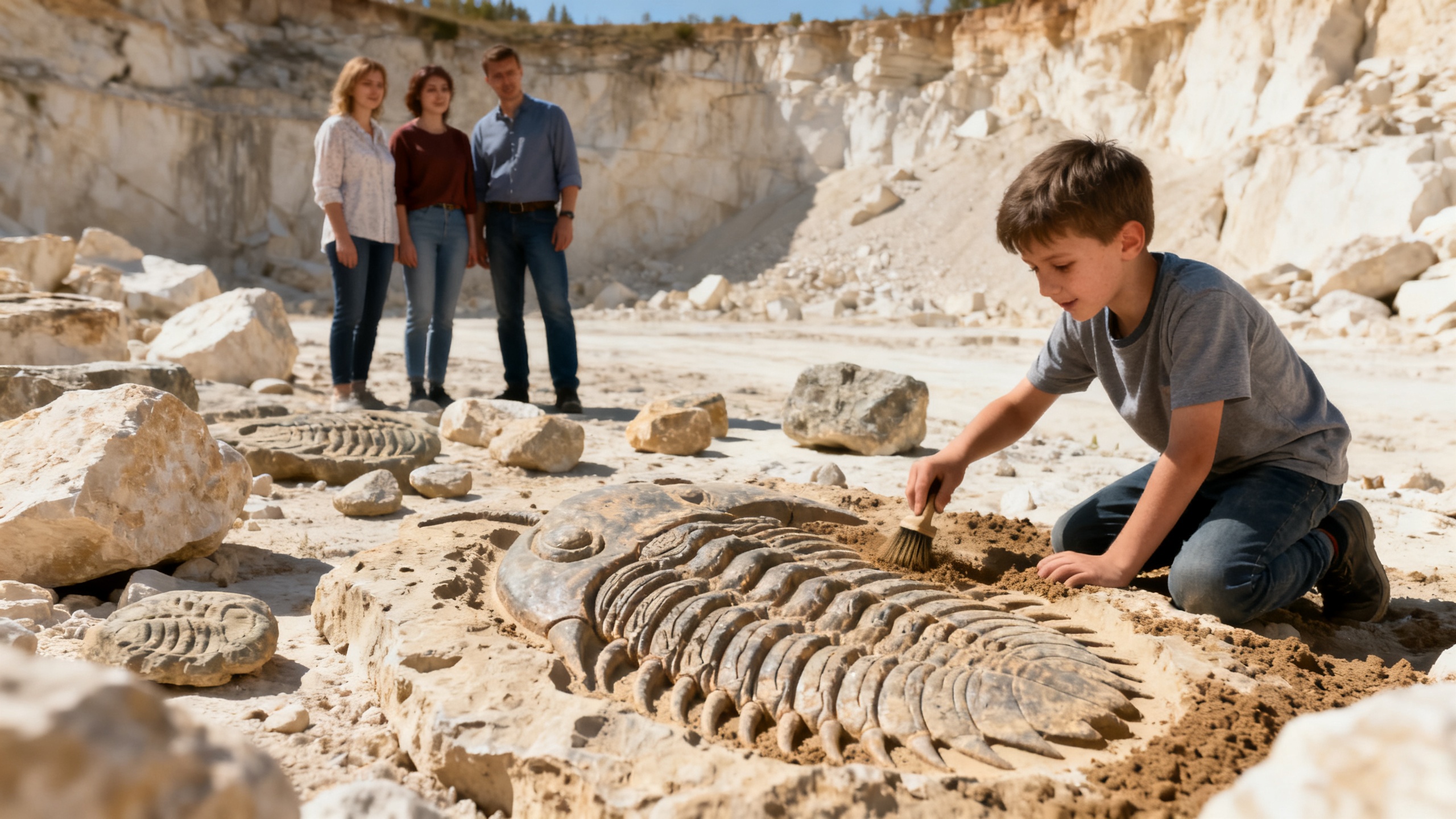
Forgotten Antarctic Fossil Reveals Unexpected Giant Dinosaur
A vertebra collected in Antarctica in 1985 has been identified as belonging to a titanosaur, one of the largest dinosaur groups. This discovery sheds new light on the continent’s ancient climate and its links to other southern landmasses.

Police Conduct Second Search at CReSA Over Suspected Swine Fever Leak
Catalan police and Guardia Civil have again searched the CReSA animal health lab. Investigators demanded more virus samples after a swine fever outbreak in Collserola. A CSIC lab in Madrid was also inspected.
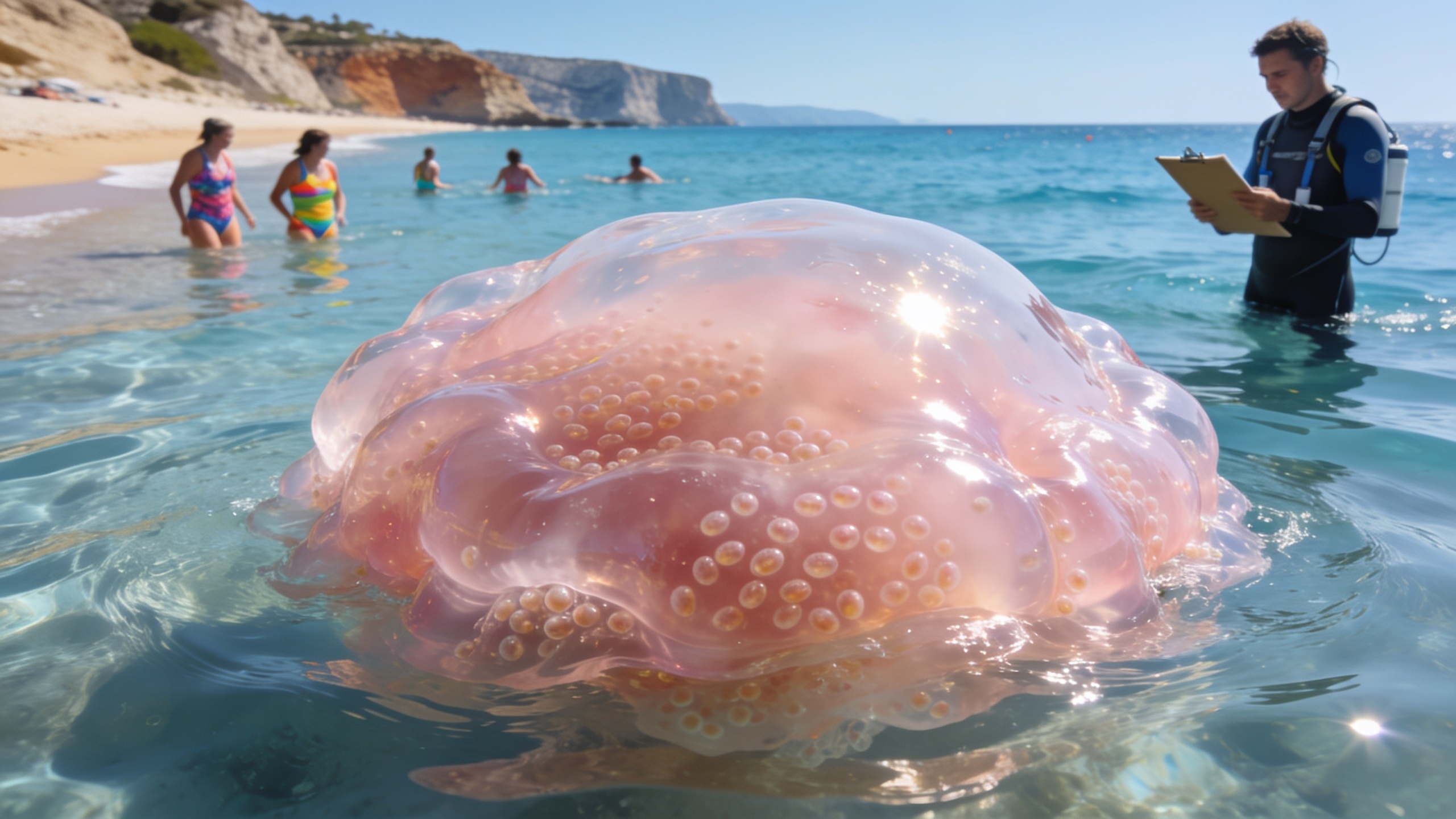
Giant Gelatinous Mass Found Off Spanish Beach Stuns Scientists
A massive, shimmering gelatinous structure was spotted floating near Velilla Beach in Granada, Spain. Identified as a diamond squid egg mass, the rare find has surprised both beachgoers and marine biologists with its size and biological significance.
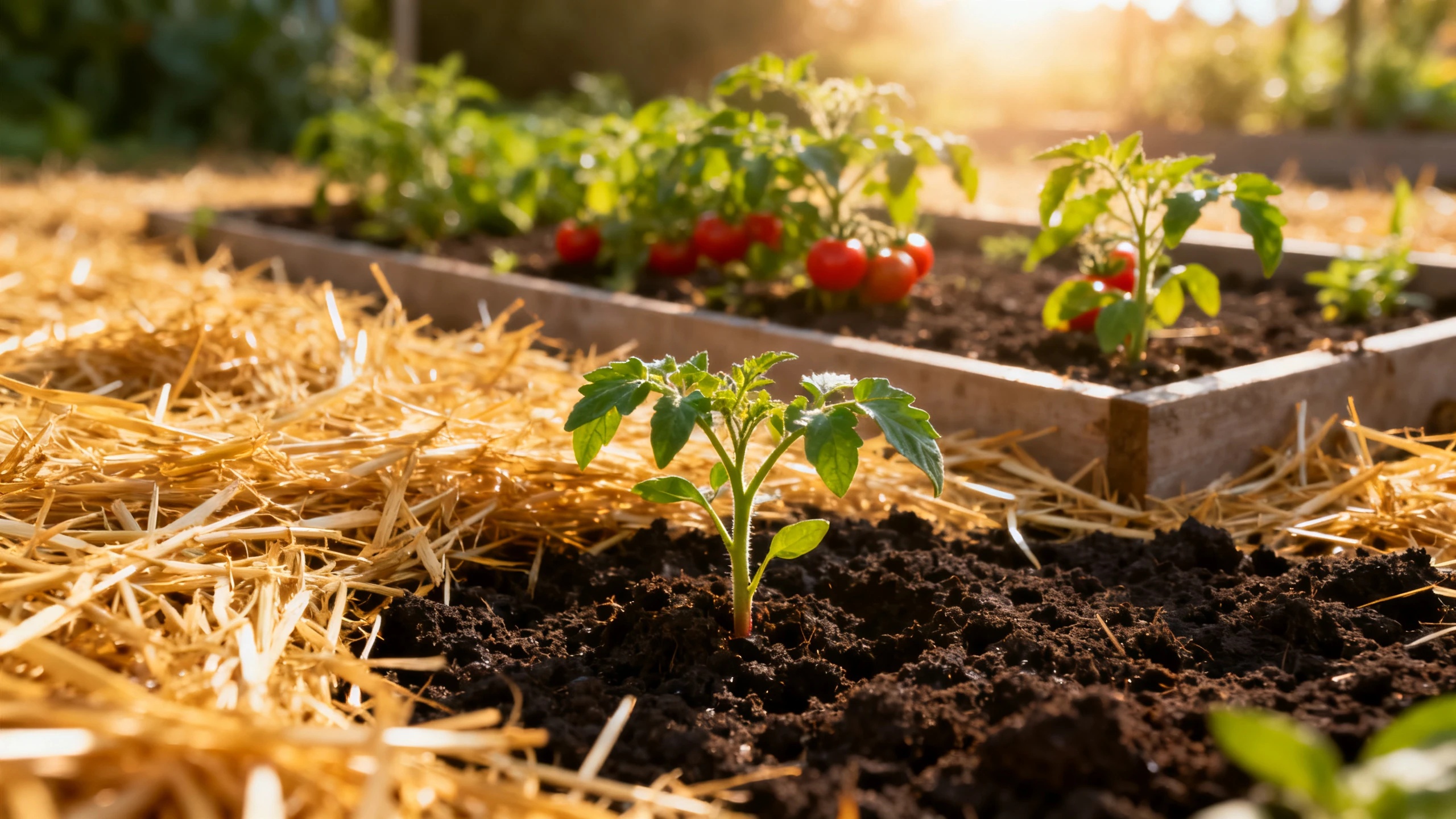
Andalusian Scientists Create Biodegradable Gel That Holds Water in Drought-Stricken Fields
Researchers at the University of Seville have developed a biodegradable gel that can absorb up to 60 times its weight in water. This innovation aims to help farmers maintain soil moisture during severe droughts, using natural materials instead of petrochemical products.
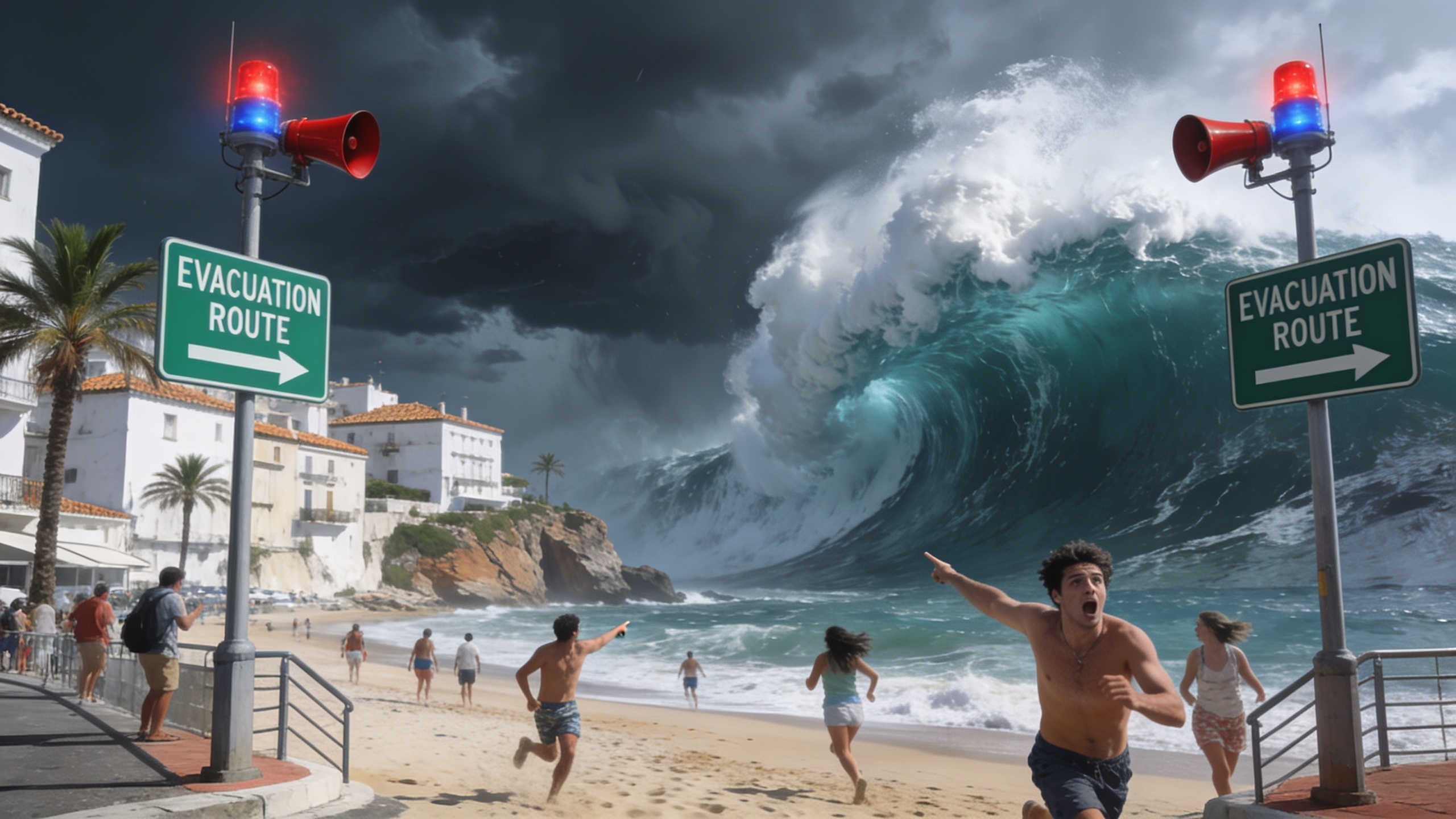
UNESCO Warns: Mediterranean Faces Certain Risk of Destructive Tsunamis
UNESCO has issued a stark warning: a tsunami of at least one meter is virtually guaranteed to hit the Mediterranean within the next 30 to 50 years. Spain is among the countries advised to maintain robust coastal warning and prevention systems.

Strawberry Moon to Shine Over Spain in Unusually Low Orbit
Spain will witness the first full moon of summer, known as the Strawberry Moon. The phenomenon peaks late on June 29, appearing larger and lower than usual. Clear skies and low light pollution will be key for the best view.
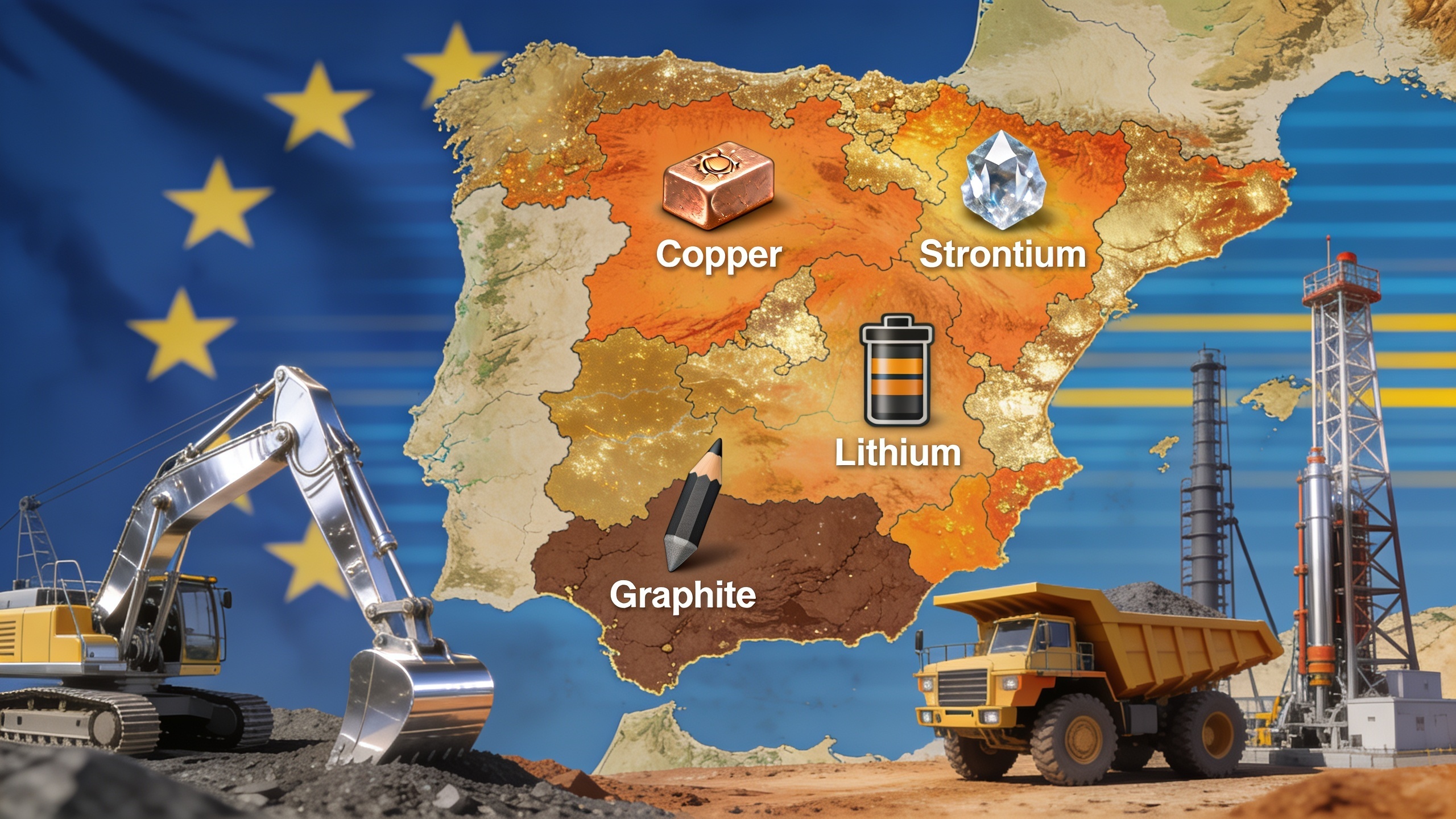
Andalusia Unveils First Critical Minerals Map Amid EU Supply Race
Andalusia now has its first map of critical minerals, pinpointing 365 sites for 14 EU-listed substances. The project could reshape industrial supply chains and boost regional mining prospects.

Google Faces New AI Talent Loss as Two Key Researchers Depart for Anthropic
Two leading AI specialists are preparing to leave Google for Anthropic. This move follows a string of high-profile exits. The departures raise new questions about Google’s ability to compete in the AI sector.
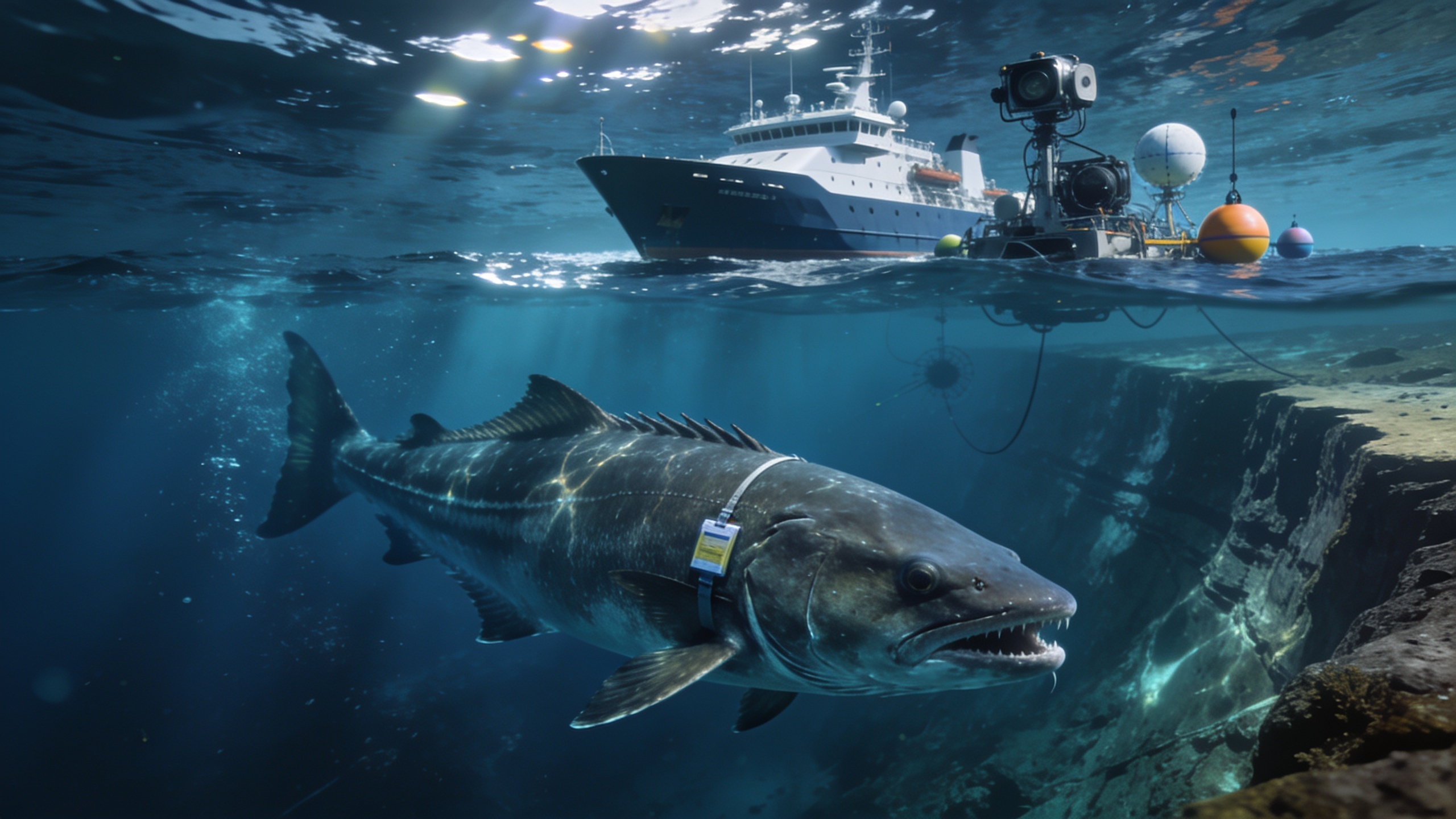
Patagonian Toothfish Tagged in 2013 Sets Record After 13 Years in Argentine Waters
A Patagonian toothfish tagged by Argentine scientists in 2013 has been recaptured after 13 years, setting a new record for the country's monitoring program. The fish was found just 62 kilometers from its original release point, offering new insights into the species' behavior.
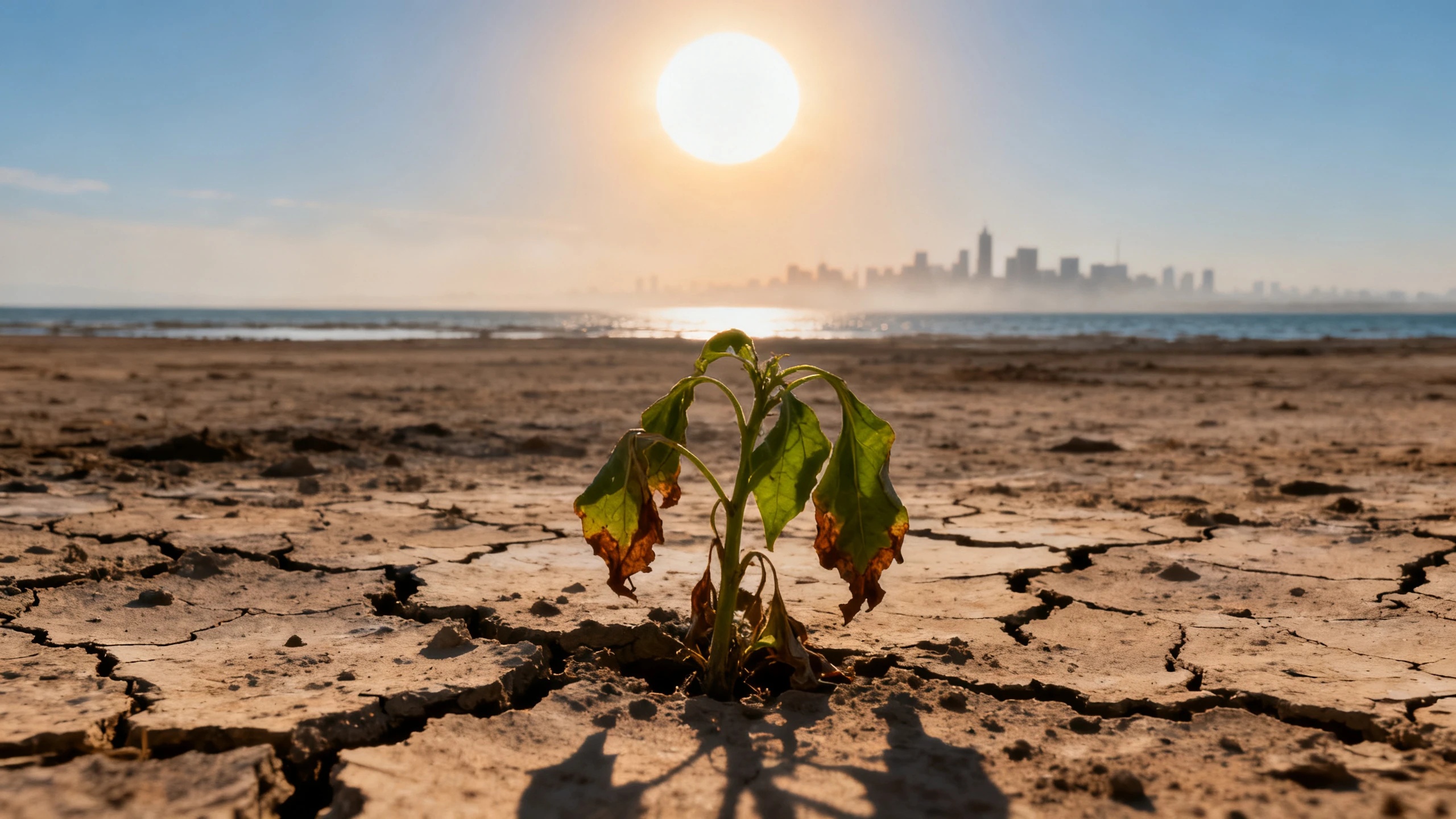
Scientists Predict When Earth's Last Plant Will Die Out
A new study projects that Earth's plant life could survive for nearly 1.9 billion more years. Rising solar radiation and falling CO₂ levels will eventually make photosynthesis impossible. The timeline challenges previous estimates.

Spain Tests Next-Generation Submarine Capable of Weeks Underwater
Navantia has begun testing a pioneering air-independent propulsion system in Cartagena, set to transform the S-83 ‘Cosme García’ submarine. This breakthrough could allow Spanish submarines to remain submerged and undetected for weeks, enhancing naval capabilities.
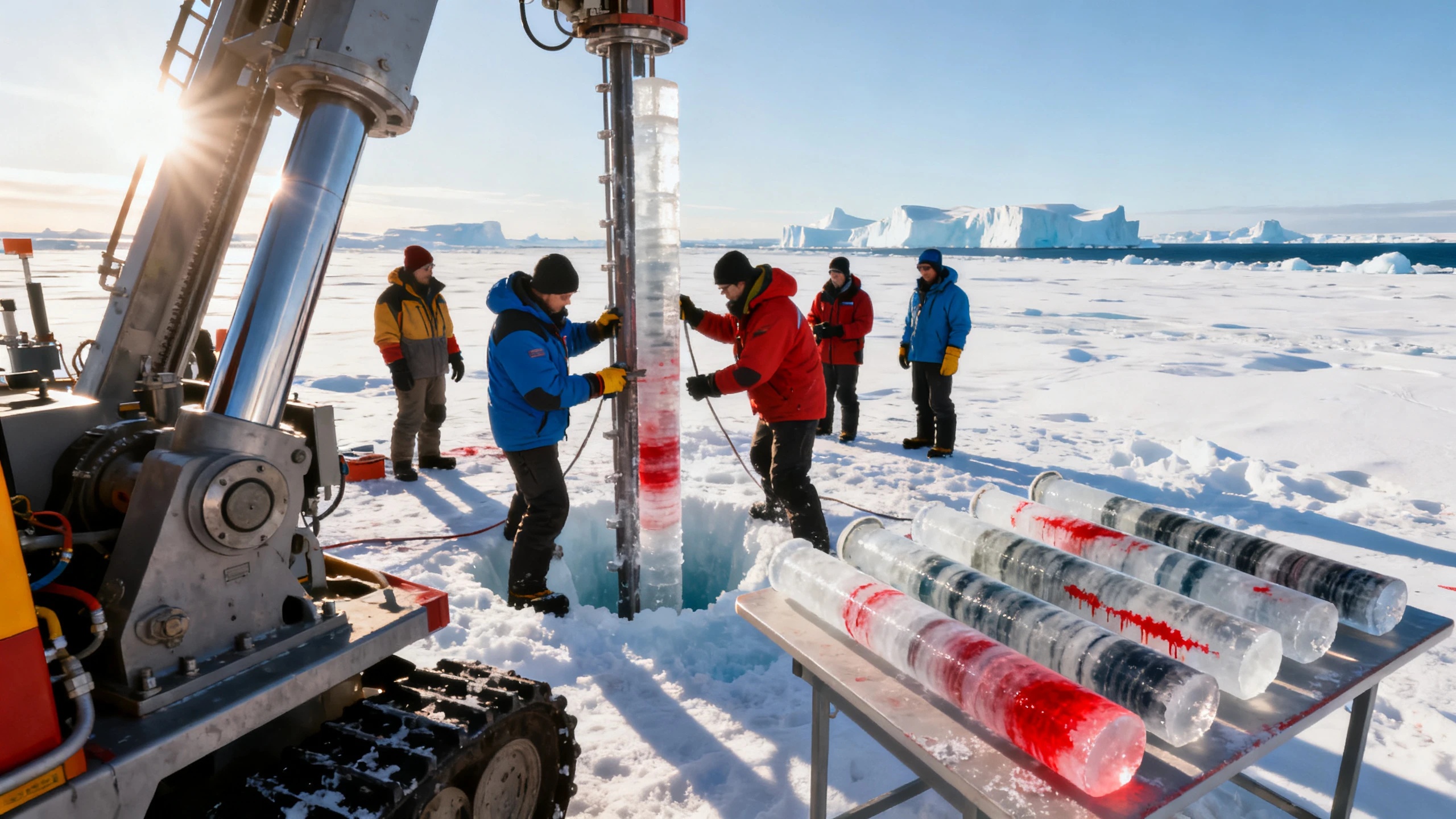
Greenland Ice Core Reveals 4,000 Years of Human Mercury Pollution
A new study finds that human mercury pollution began 4,000 years ago, not just with modern industry. Analysis of a deep Greenland ice core shows emissions linked to ancient mining and metallurgy.

A Massive Brown Belt in the Atlantic Alarms Scientists with Unprecedented Growth
A vast brown ribbon of sargassum stretching across the Atlantic has reached record size, raising urgent questions for scientists. The explosive growth, now visible from space, is reshaping coastlines and ecosystems from Africa to the Gulf of Mexico.

Seville Family Drives Rare Disease Research for Their Son Darío
A family in Seville is funding research for their son Darío, one of two children in Spain with a rare mitochondrial disease. With no public support, they turn to science and society for hope.

El Corte Inglés Sells Certified Hawkers Eclipse Glasses for €3.99 Ahead of August Solar Event
With a rare solar eclipse set for August 12, El Corte Inglés is offering Hawkers-certified eclipse glasses for just €3.99. The glasses meet strict ISO standards and are designed for safe, comfortable viewing of this historic event.

Why Storing Fish in Plastic for Weeks Can Backfire—Even at -18°C
A new study warns that keeping fish in plastic packaging—even in the freezer—can lead to chemical contamination. The longer the storage, the higher the risk, with some plastics and even compostable trays posing unexpected dangers.
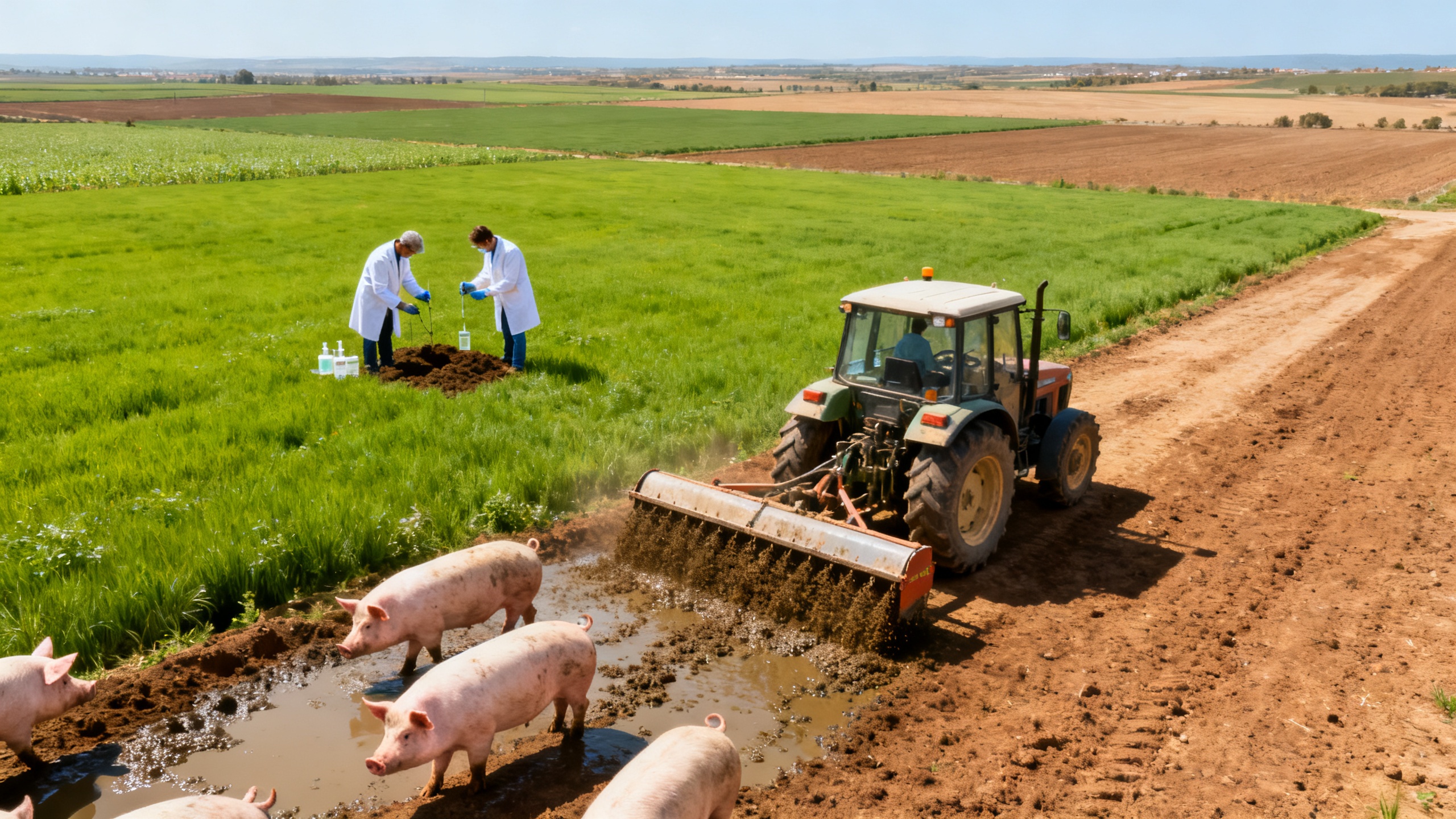
Pig Slurry Fertilizer Does Not Disrupt Soil Microbiota, Study Finds
A new scientific project in Aragón reveals that using pig slurry as fertilizer does not cause major shifts in soil microbiota when applied responsibly. The findings offer reassurance for farmers and environmentalists concerned about antibiotic resistance and soil health.

Catalonia Launches 'Eclipsadas' to Bring Total Solar Eclipse into Classrooms
Catalonia is rolling out a new program to teach students about the upcoming total solar eclipse. Scientists are visiting schools to explain the phenomenon and inspire interest in science. The initiative targets students in vulnerable communities.
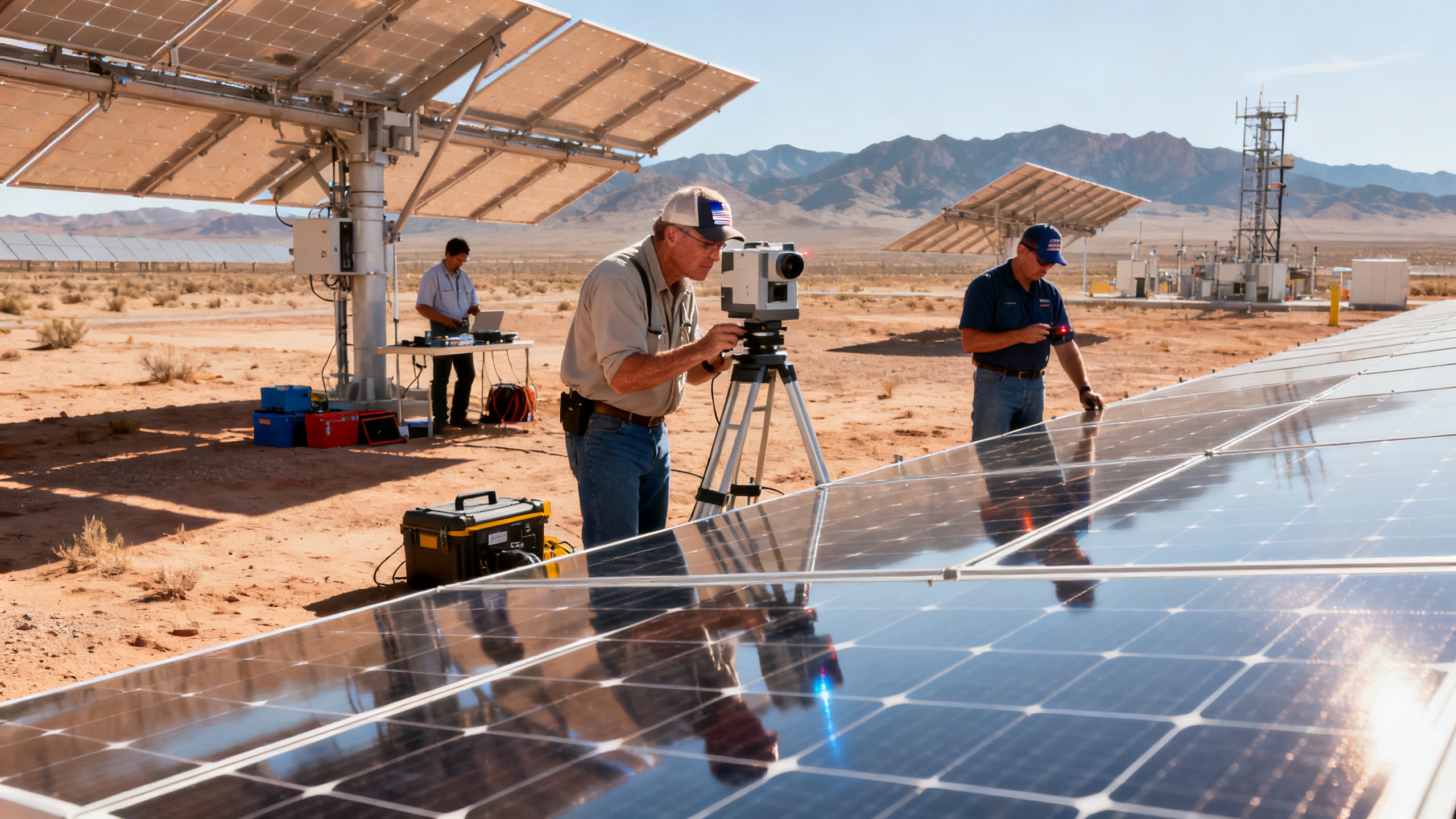
DARPA demonstrates how to transmit electricity over kilometers without cables
US Tests Wireless Power Transmission: Laser Replaces Copper Wires. American engineers have transmitted more than 800 watts of electricity over 8.6 km for the first time using an infrared laser. The technology is still far from wide adoption, but it could change approaches to power supply in hard-to-reach areas and in disaster recovery.
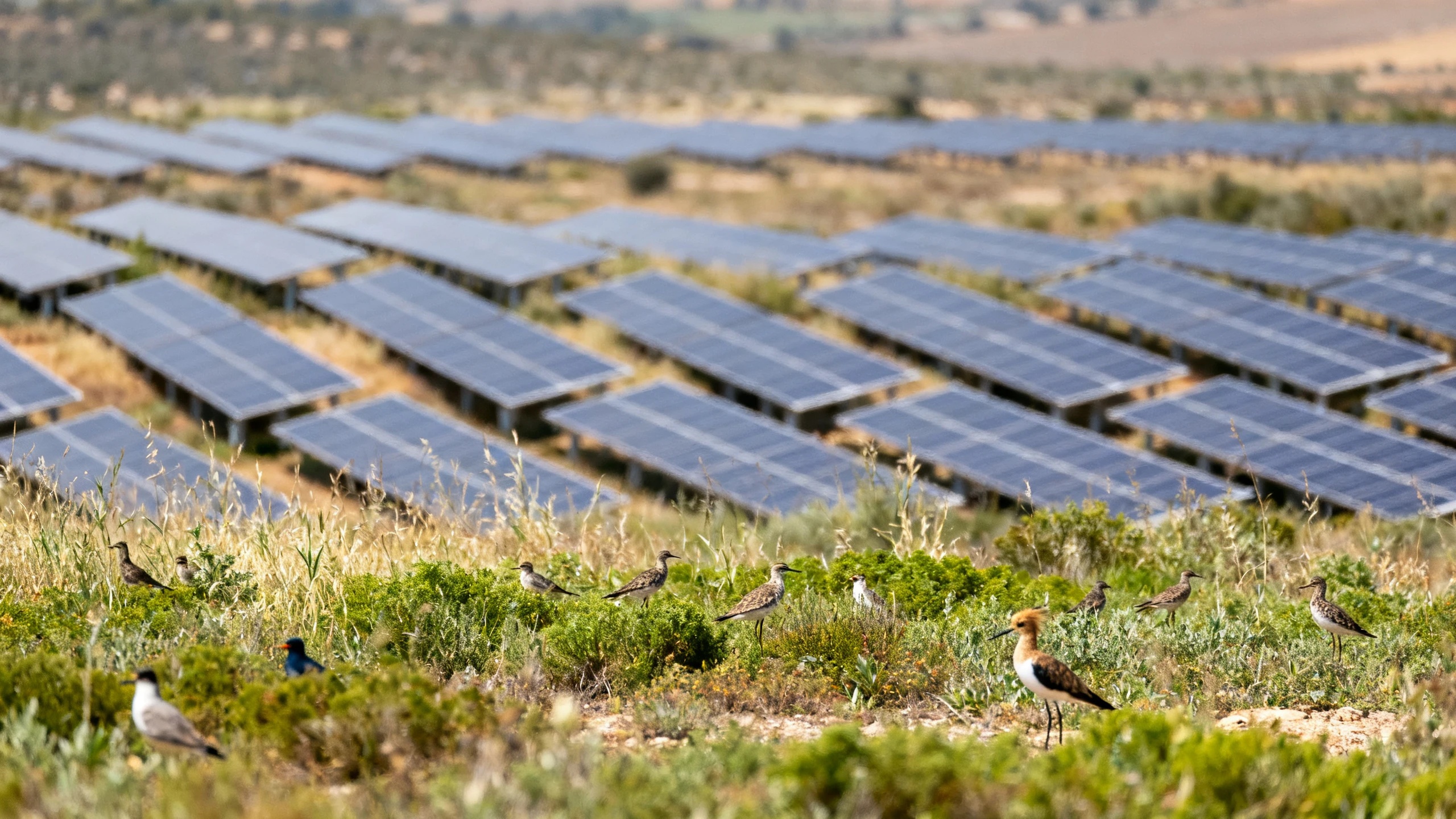
Unexpected effect: How solar power plants are changing the ecosystem
Spanish Solar Parks Now Host More Birds Than Neighboring Fields. Recent data from Spain shows that solar power plants now support a greater variety of bird species than surrounding farmlands. The reason: a shift away from chemicals and a new approach to land management.
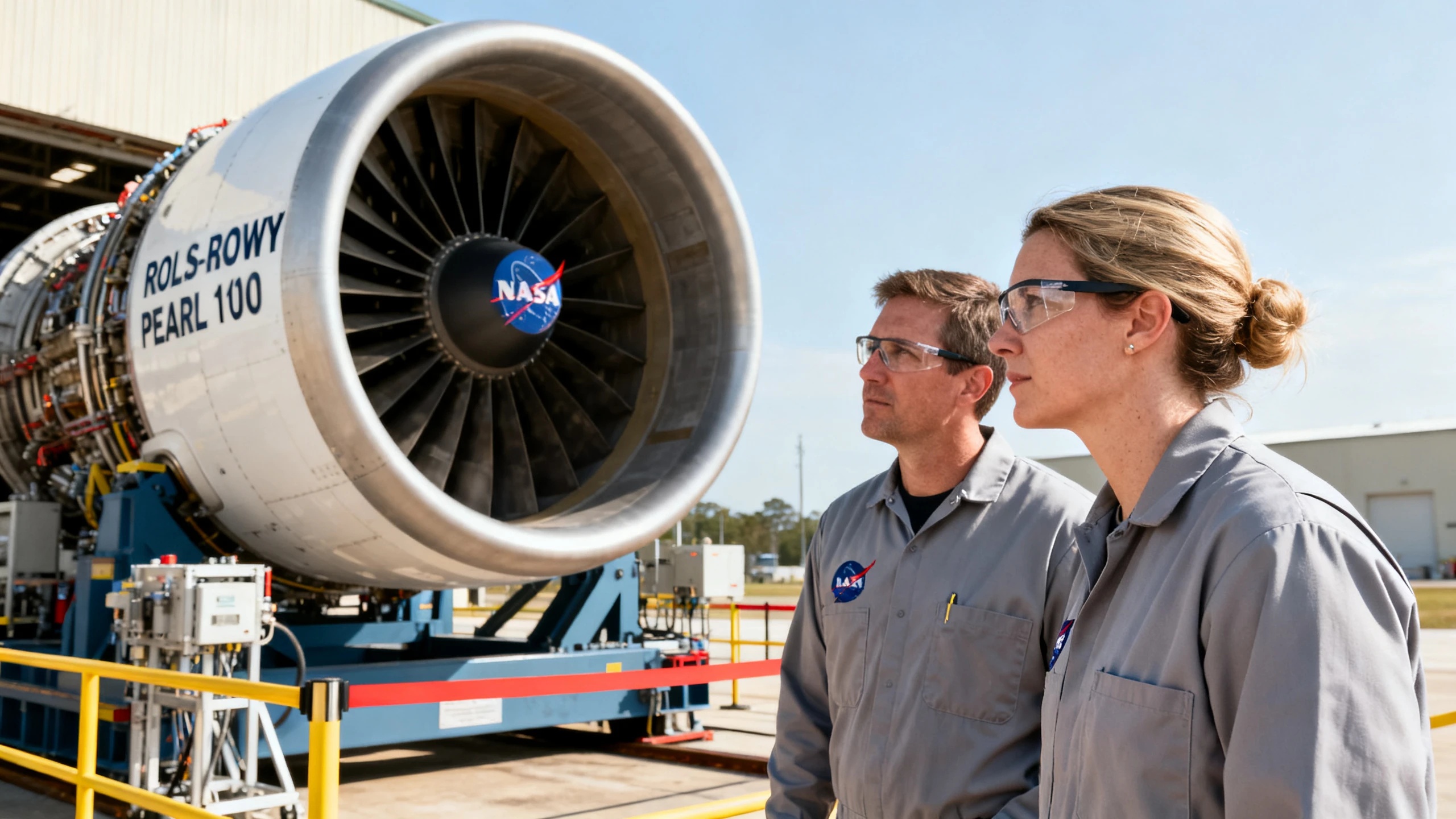
First successful hydrogen-powered flight simulation conducted in the US
Rolls-Royce tests hydrogen engine: aviation braces for change. Rolls-Royce and easyJet have tested a commercial aircraft engine running exclusively on hydrogen. The test, conducted in the United States, demonstrated that the technology can operate reliably. However, large-scale hydrogen flights remain a distant prospect—major engineering and infrastructure challenges lie ahead.
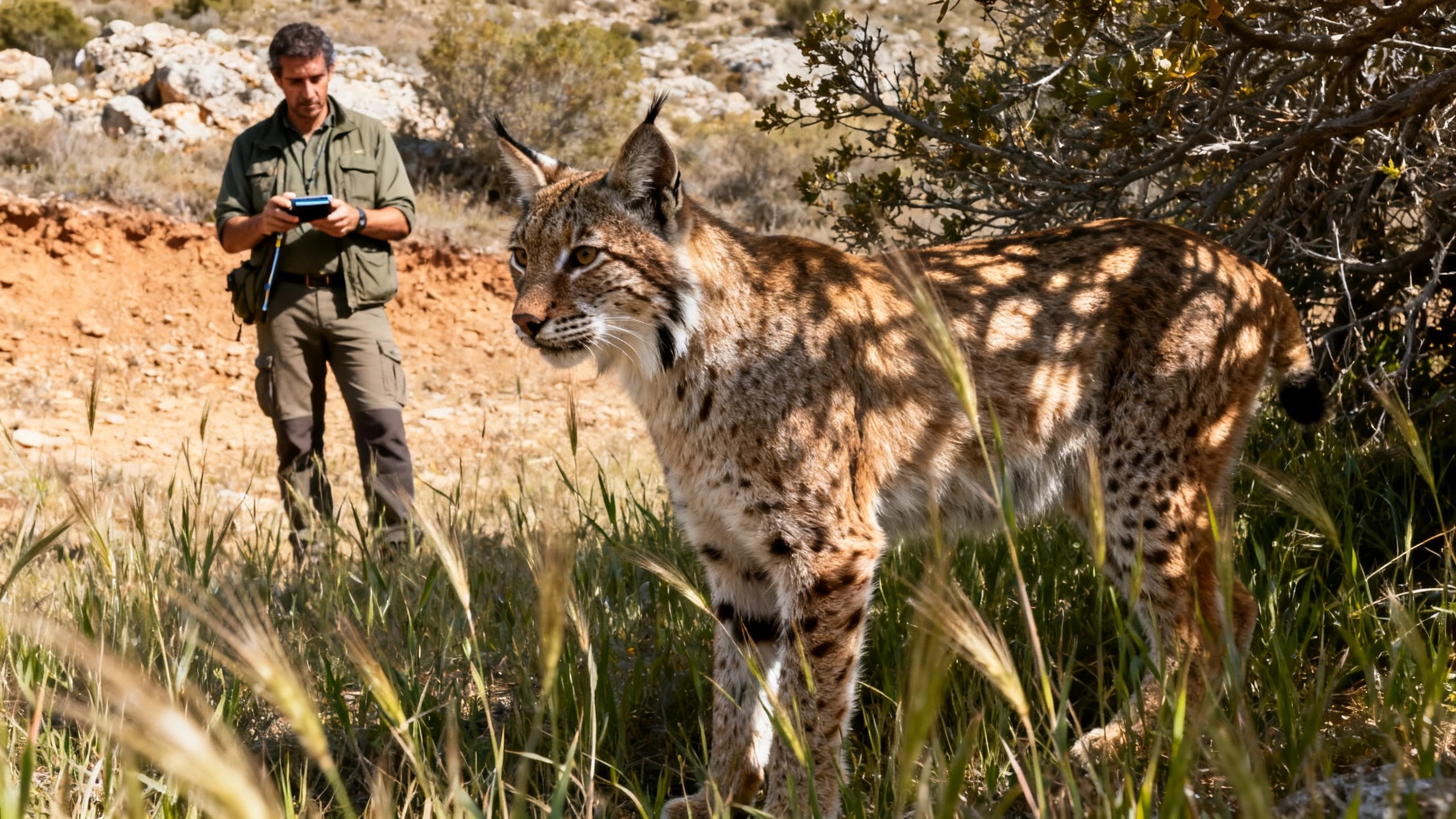
The release of the Werva and Wound pair was part of a large-scale restoration program
Lynx Returns: New Specimens Released into the Wild in Aragon. Iberian lynxes have reappeared in the outskirts of Zaragoza. The Aragon authorities have released two new animals as part of a long-term project to restore this extinct species. The program includes technical monitoring, support for municipalities, and significant investment.

The first test flight of the unique aircraft is scheduled for June 2026
NASA Prepares Supersonic X-59: Transatlantic Flight in 3 Hours Becomes More Realistic. NASA and Lockheed Martin are finalizing preparations for testing the X-59 QueSST—an aircraft capable of crossing the Atlantic in three hours without a loud sonic boom. The project could reshape regulations for supersonic passenger flights and open up new routes.
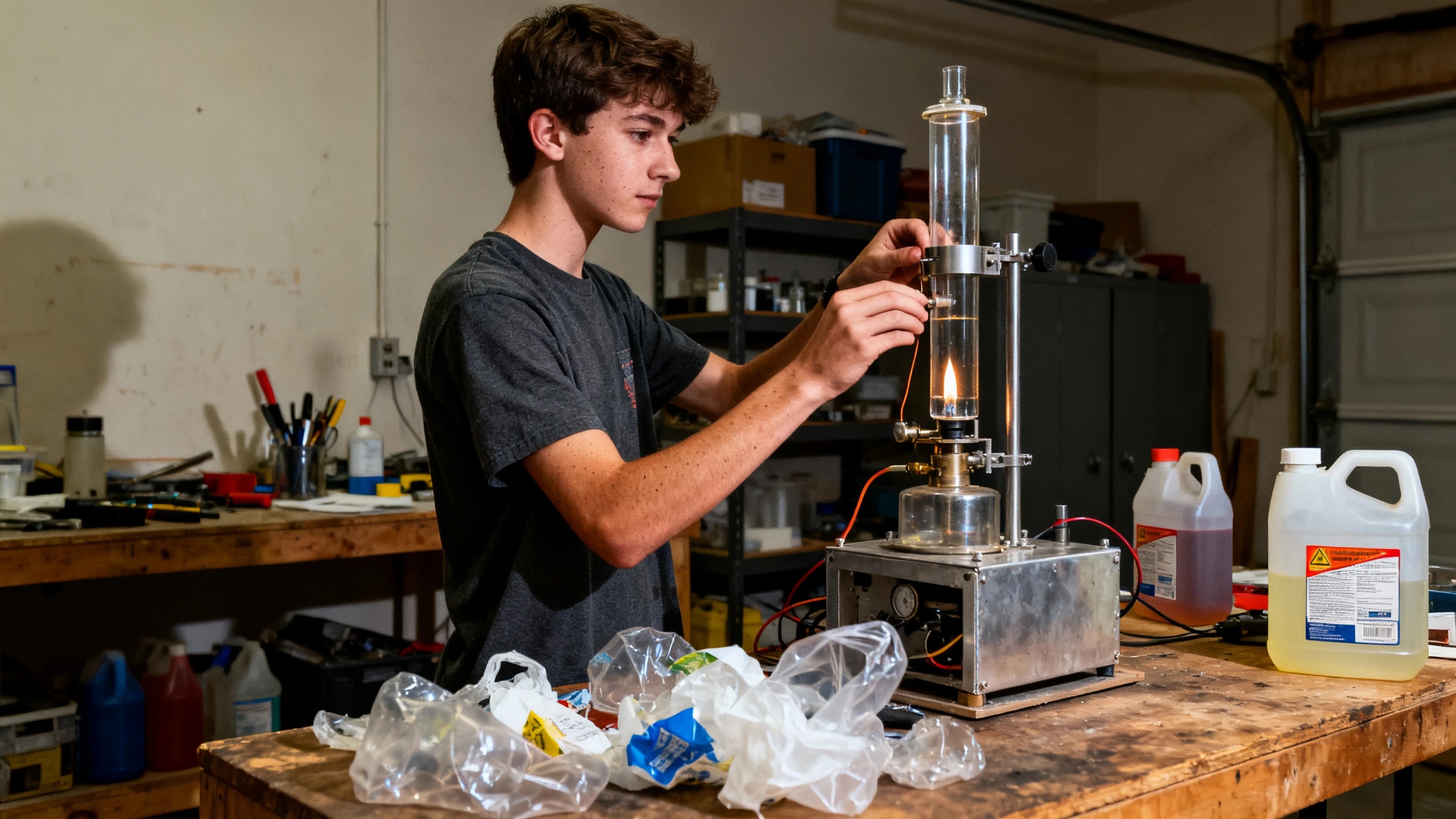
An experimental project from Atlanta promises a new approach to waste recycling
American Student Creates Device That Turns Plastic Waste into Fuel. A young inventor from the US has developed a prototype capable of converting used plastic into liquid fuel using microwave pyrolysis. The technology appears promising but requires independent testing and further refinement before it can be widely adopted.

New cement formula promises energy savings and less climate impact
US Researchers Propose Cement Without Limestone: Opportunity to Cut CO₂ Emissions in Construction. American researchers have developed a method to produce Portland cement without limestone, using basalt as a substitute. This could reduce CO₂ emissions and lower energy consumption in construction. The key question is how feasible it is to introduce this technology in an industry where change comes slowly.
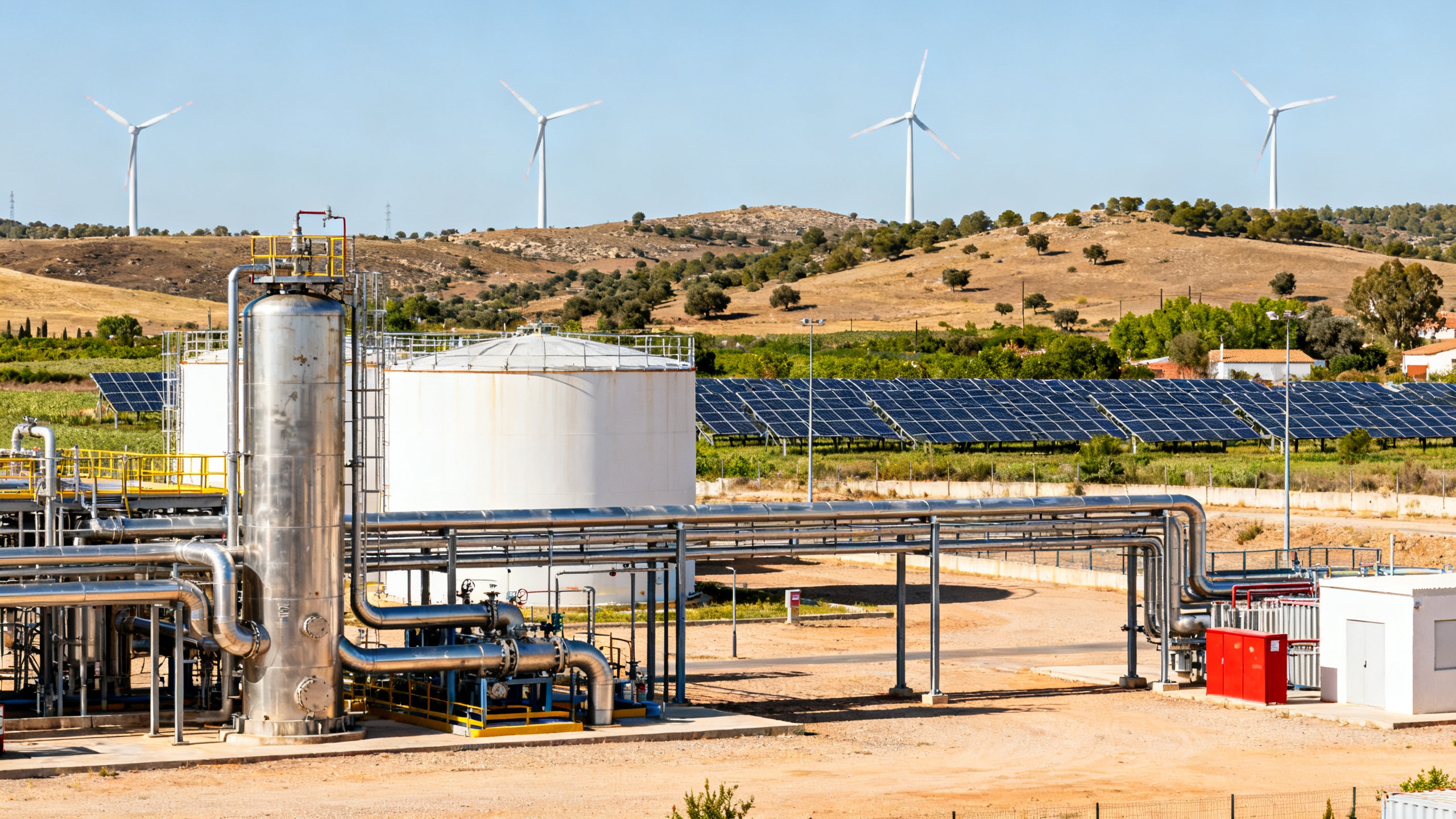
Experimental Facility in Miajadas Reshapes Europe's Energy Landscape
Spain launches first-ever gas production without fossil fuels. The first facility in Europe to produce synthetic methane from hydrogen and biogenic CO2 has started operating in Miajadas, a small town in Extremadura. Supported by the European Commission, the project could change the region's approach to energy independence.

CENIM-CSIC experiment could change Europe's approach to waste recycling
Spanish Scientists Discover Method to Extract Gold and Platinum from E-Waste. The first successful experiment to recover valuable metals from electronic waste has been completed in Madrid. Spain is strengthening its position in Europe’s ‘urban mining’ sector while reducing its dependence on raw material imports.

Elastocaloric technology as an alternative to air conditioners and high bills
3D Printing and New Materials: How Spain's Cooling Future Is Changing. Spain is developing an eco-friendly cooling system based on 3D printing and innovative alloys. This technology promises to reduce energy consumption and eliminate the use of harmful refrigerants. The European Commission has already called it the most promising alternative to traditional air conditioning.

Which regions will fall under the shadow and how to safely observe this rare event
Partial and Total Solar Eclipse of 2027: Spain Prepares for a Unique Event. On August 2, 2027, Spain will witness a rare astronomical event—a total solar eclipse that will plunge the southern regions of the country into darkness for several minutes. In other areas, the phenomenon will be visible as a partial eclipse, but its dramatic impact will be felt across the entire nation.
Page 8 by 20