
Science - Page 7
817 news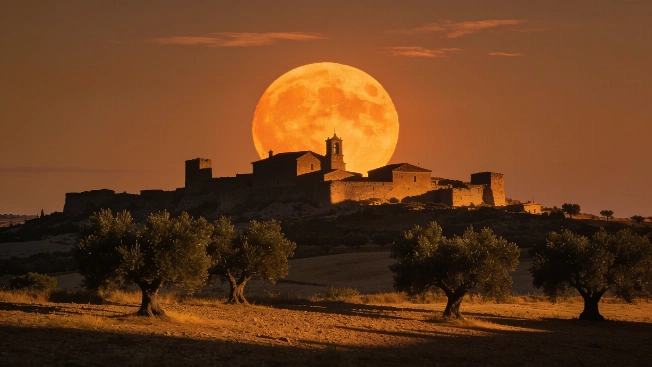
Deer Moon to Shine Over Spain: First Full Moon of Summer Arrives
On July 29, the Deer Moon will become the first full moon of summer in Spain. The event offers a rare visual effect at moonrise. Observers can expect a striking orange glow and a larger-than-life appearance.

Ramon Lapiedra’s Legacy: Science, Language and the Question of Human Freedom
Ramon Lapiedra, renowned theoretical physicist and former university leader, has died at 86. His work bridged quantum physics and civic activism in Valencia. The impact of his ideas and actions continues to shape the region’s academic and cultural landscape.

Morocco Unveils AI-Powered System to Detect Toxic Algae Before Water Supplies Are Threatened
Morocco is testing a high-tech surveillance system that uses AI, aquatic drones, and satellite imagery to spot toxic algae in reservoirs before they become visible. The project could give authorities more time to safeguard drinking water in a country facing chronic water shortages.
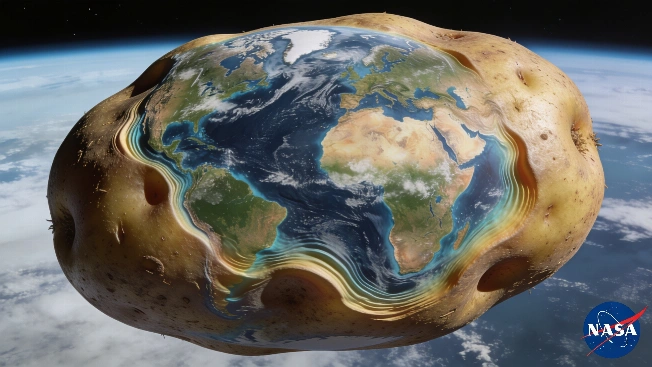
NASA's Viral Geoid Image Challenges Traditional View of Earth
A new NASA image has sparked debate by showing Earth with a distorted shape. The model, based on gravity data, reveals subtle variations in sea level. Scientists use this tool to improve mapping and navigation.
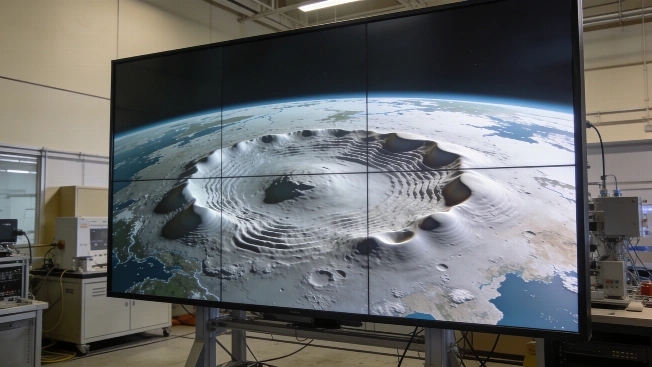
NASA Reveals True Shape of Earth's Gravity Field
NASA has released a striking visualization of Earth's geoid, highlighting subtle gravitational variations. The model, based on satellite data, challenges the idea of a perfectly round planet. Its exaggerated features reveal hidden details of Earth's mass distribution.
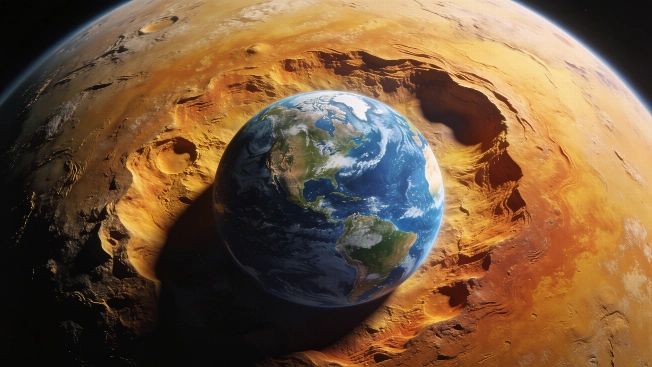
NASA Reveals 3D Model Exposing Earth's True Gravitational Shape
NASA has released a striking 3D visualization showing Earth's gravity as a geoide. The image reveals bulges and depressions, challenging the idea of a perfect sphere. The model is based on satellite data and has key scientific uses.

Spain Launches Ambitious Rocket Factory Project in Elche
A new industrial complex in Elche is set to transform Spain’s role in the global space industry. Backed by €65 million in private investment, the site will mass-produce the MIURA 5 orbital launcher and create thousands of jobs, marking a decisive step for Spanish aerospace.
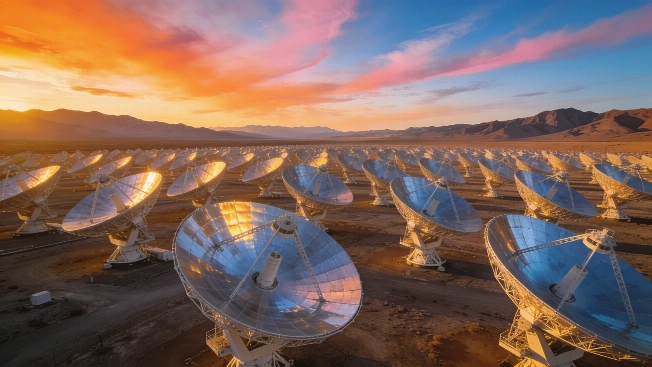
Deep Synoptic Array: The World's Most Powerful Radio Telescope Set for Nevada
The Deep Synoptic Array, led by Caltech, will soon rise in a remote Nevada valley. With 1,650 antennas and real-time imaging, it promises to transform radio astronomy and open new windows on black holes, pulsars, and the mysteries of the cosmos.
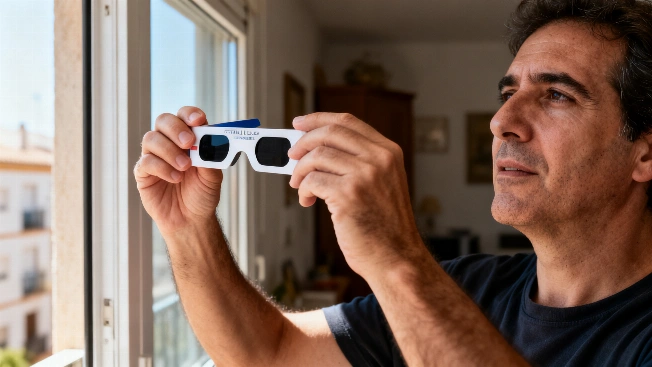
Catalonia Deploys 700 Officers for Solar Eclipse Security Operation
Catalonia will mobilize 700 police and emergency staff for the August 12 solar eclipse. Authorities expect 50,000 visitors at 23 official viewing sites. Strict traffic controls and health warnings are in place.

A New Origami Pattern Could Transform How We Build Structures
Engineers at McGill University have developed a groundbreaking origami-inspired design that turns flat sheets into curved, load-bearing structures. This innovation could impact fields from emergency shelters to robotics and aerospace, offering new ways to create strong, adaptable forms.

China Unveils Nuclear Battery That Could Last 5,730 Years
A Chinese research team has introduced a lithium-free nuclear battery designed to operate for thousands of years without recharging. While its output is modest, the technology could transform power supply for remote sensors and scientific equipment.

IGN Registers 750 Earthquakes Under Teide, Rules Out Imminent Eruption
Over 750 minor earthquakes were recorded beneath Tenerife in a single night. IGN confirms no immediate eruption risk, but the seismic swarm is the tenth since February. Most tremors went unnoticed by residents.
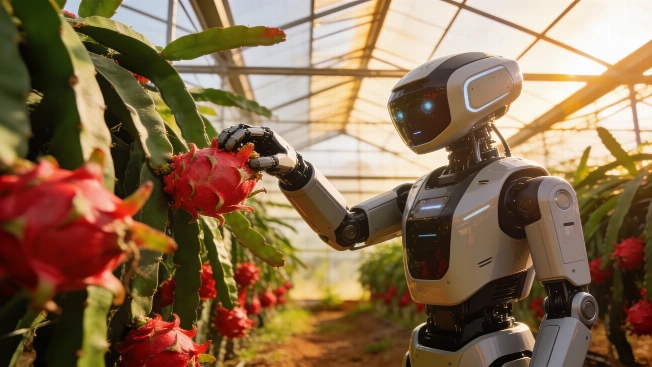
Dragonbot: The Spanish Robot That Harvests Only Ripe Pitayas
Dragonbot, an autonomous robot developed in Valencia, can identify and harvest only pitayas at peak ripeness, leaving unripe fruit untouched. Its precision promises to reduce waste and improve fruit quality for growers, marking a new step in smart farming.

Volkswagen Turns to Sheep to Maintain Massive Solar Park in Poland
Volkswagen has swapped lawnmowers for a flock of 100 sheep at its Września factory in Poland. The animals help manage vegetation beneath 31,000 solar panels, while scientists study the impact on biodiversity, soil, and animal welfare. The project aims to cut emissions and rethink land use at industrial sites.
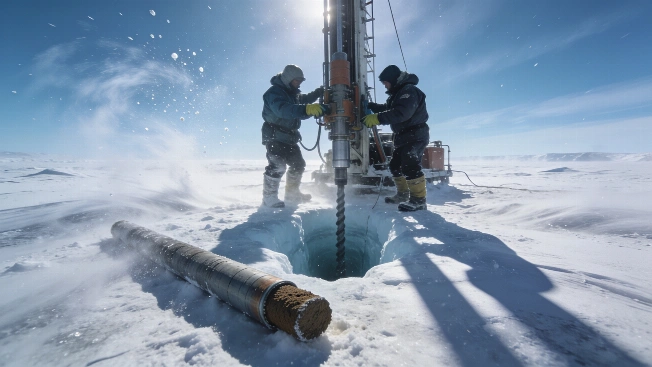
Scientists Extract 228-Meter Sediment Core in Antarctica Revealing 23 Million Years of Climate Shifts
A 29-member international team has drilled over 500 meters into West Antarctica, retrieving a unique sediment core. The find offers a rare geological record spanning 23 million years and could reshape climate predictions.
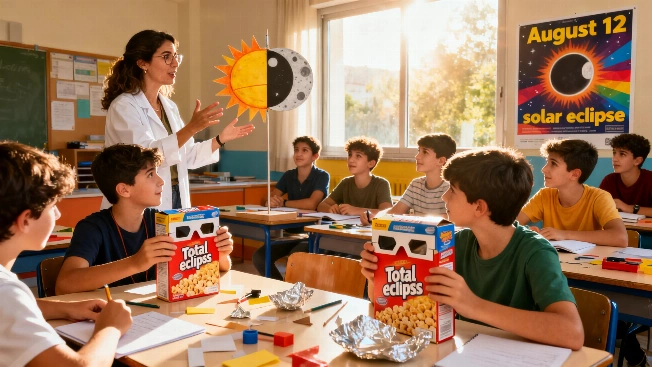
Rare Total Solar Eclipse to Darken 56 Municipalities in Bizkaia
A total solar eclipse will be visible in 56 municipalities of Bizkaia on August 12. Only three towns will experience more than a minute of totality. The event will not occur again for another century.
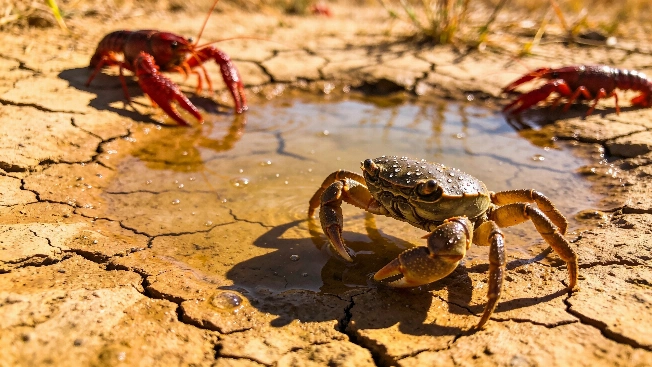
Severe Drought Threatens Survival of the Iberian River Crab
The Iberian river crab faces mounting danger as drought dries up its habitats, leaving populations stranded in overheated pools. Combined with deadly disease and invasive species, experts now see the crustacean’s future in Spain at risk.
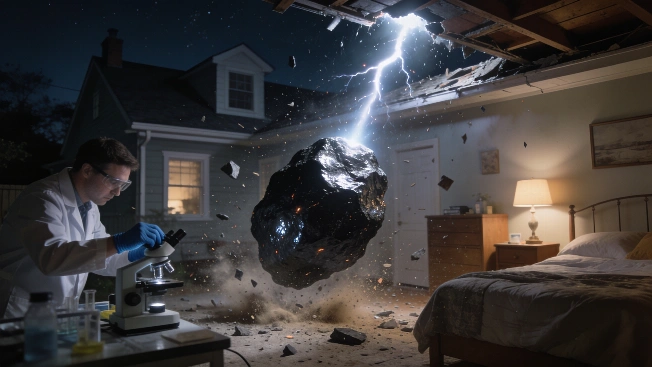
Rare CO Chondrite Identified as Dinosaur-Killing Meteorite
A new isotopic study has pinpointed the Chicxulub meteorite as a rare CO chondrite. This finding challenges previous assumptions about its composition and origin. The discovery could reshape our understanding of the mass extinction event.

Atmosphere Detected on Rocky Exoplanet in Habitable Zone
Astronomers have identified an atmosphere around LHS 1140 b, a rocky planet in a habitable zone. The discovery, published in Science, marks a turning point in the search for potentially life-supporting worlds.

Afternoon Naps Proven to Boost Brain Power and Learning
A new study from Geneva and Fribourg universities shows that a 45-minute nap can restore the brain’s ability to learn by reducing synaptic overload. Researchers found that even a brief rest in the afternoon helps the mind recover, making it easier to absorb new knowledge.

Chrysalis: The 58-Kilometer Starship Designed for Centuries of Human Life
Chrysalis, winner of the Project Hyperion competition, proposes a 58-kilometer generational starship built to carry humans across the stars. The design envisions a rotating, modular city capable of supporting thousands for centuries, though it remains a theoretical project dependent on future technology.

Congress Proposes New Funding Model to Upgrade NASA Facilities
A bipartisan bill in Congress could allow private companies to help fund NASA infrastructure, targeting urgent needs at Kennedy Space Center. The move aims to address capacity issues as launch rates rise.
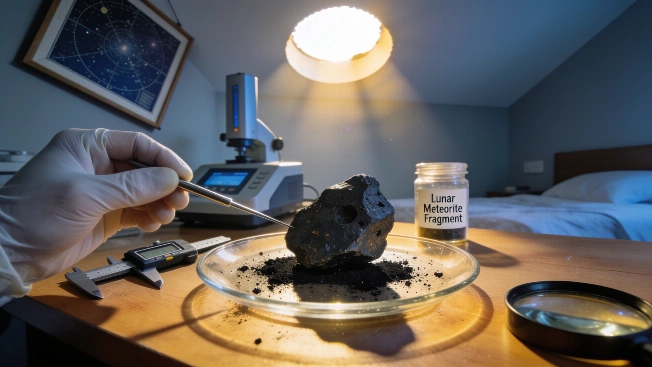
Rare Meteorite in New Jersey Preserves Ancient Solar System Secrets
A meteorite that crashed into a New Jersey house was recovered almost untouched. Scientists found ancient salts and organic molecules inside, offering new clues about the early Solar System and the origins of life.

Ebola Crisis Escalates in DR Congo as Outbreak Becomes Third Largest
The Ebola outbreak in the Democratic Republic of Congo has surpassed 2,000 cases. Health authorities warn of rapid community spread. Intensive efforts are underway, but most new infections escape tracing.
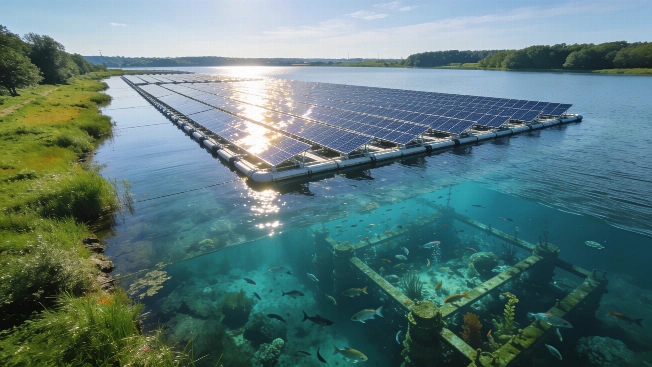
Floating Solar Farm in the Netherlands Sparks Unexpected Aquatic Revival
A floating solar park near Zwolle has become an unlikely haven for aquatic species. Researchers have recorded a sharp rise in fish and invertebrates beneath the installation, highlighting how renewable energy projects can reshape local ecosystems in surprising ways.
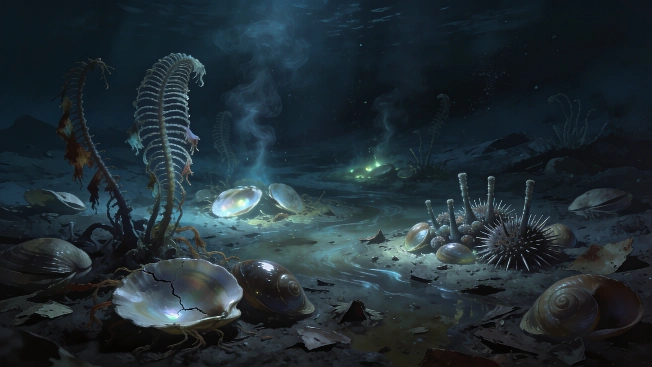
Stanford Study Reveals Why the Permian-Triassic Extinction Was Uneven
A Stanford-led study uncovers why the Permian-Triassic extinction devastated some marine groups but spared others. The findings link survival to physiological differences, offering new insight into past and future ocean crises.
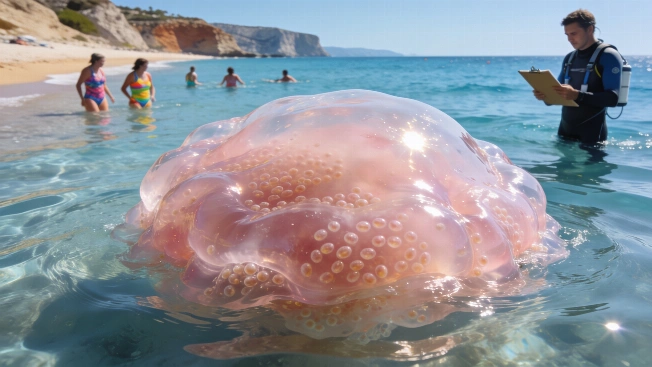
Stanford Study Reveals Why Clam Shells Dominate Beaches After Ancient Mass Extinction
A Stanford-led study explains why clam shells, not brachiopods, fill beaches today. The answer traces back to a selective extinction 252 million years ago. Warmer, low-oxygen seas changed marine life forever.

AI Data Centers Could Consume Water Equal to 1.3 Billion People by 2030
Artificial intelligence is driving a surge in water and electricity demand at data centers worldwide. A new UN report warns that by 2030, AI infrastructure could use as much water as the annual domestic needs of 1.3 billion people. The environmental cost is forcing a debate on transparency and resource management.

Swiss Startup Turns Railway Tracks Into Solar Power Plants
A Swiss company has successfully installed solar panels between active railway tracks, generating clean energy without taking up farmland or rooftops. Over 11,000 trains have passed above the panels without incident, marking a breakthrough in solar infrastructure.

Trump Administration Launches Panel to Review Unexplained UAP Data
The Trump administration has set up a panel to examine unidentified anomalous phenomena. NASA's Jared Isaacman confirms the agency holds unexplained images. The move marks a shift toward transparency on UAP encounters in the US.
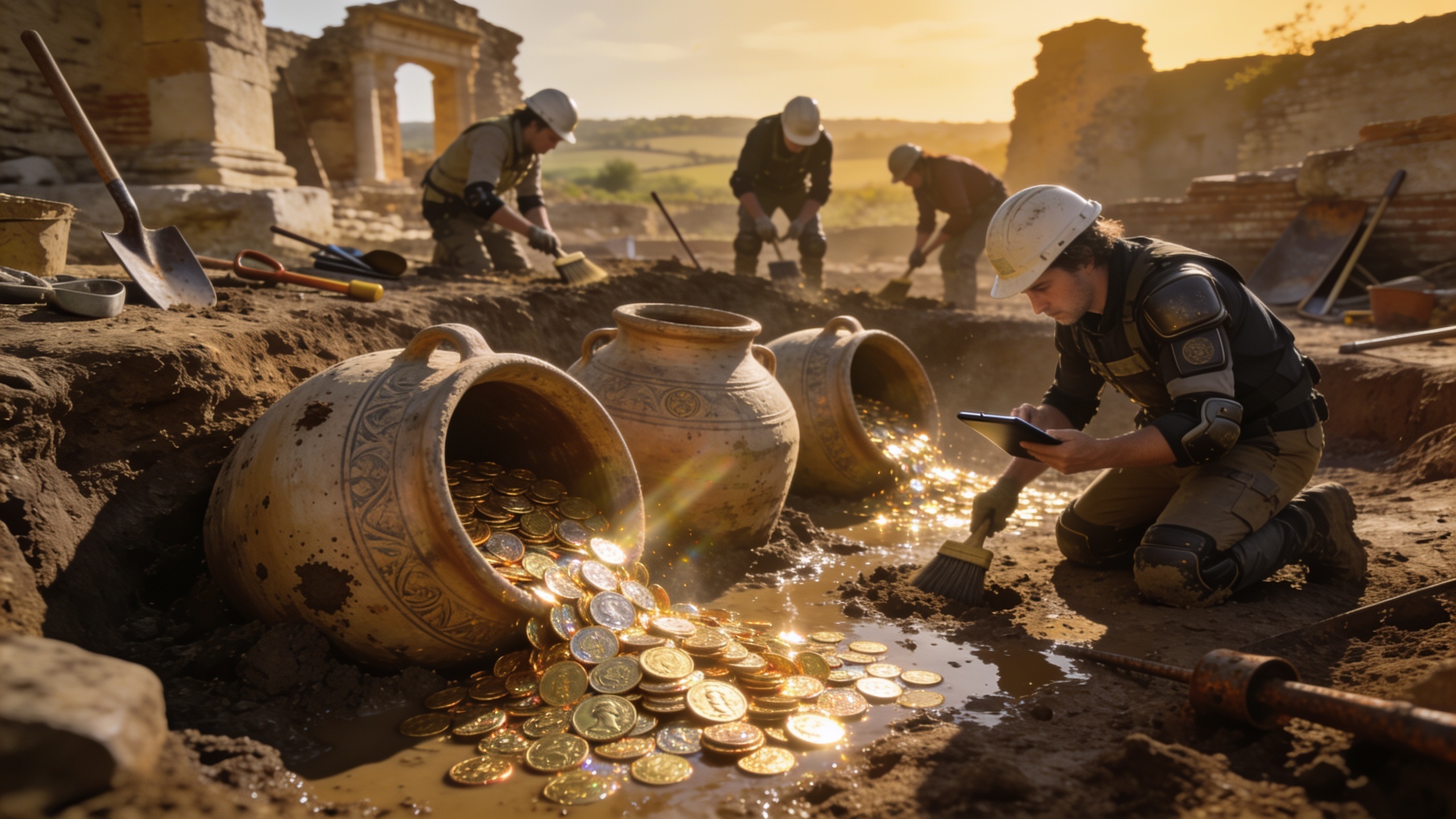
Archaeologists Uncover Massive Roman Coin Hoard Hidden for 1,800 Years
A team of archaeologists has unearthed three large ceramic vessels filled with tens of thousands of Roman coins in Senon, Lorraine. The find sheds light on how wealthy residents managed and stored money in the late Roman Empire, offering a rare glimpse into daily life nearly two millennia ago.
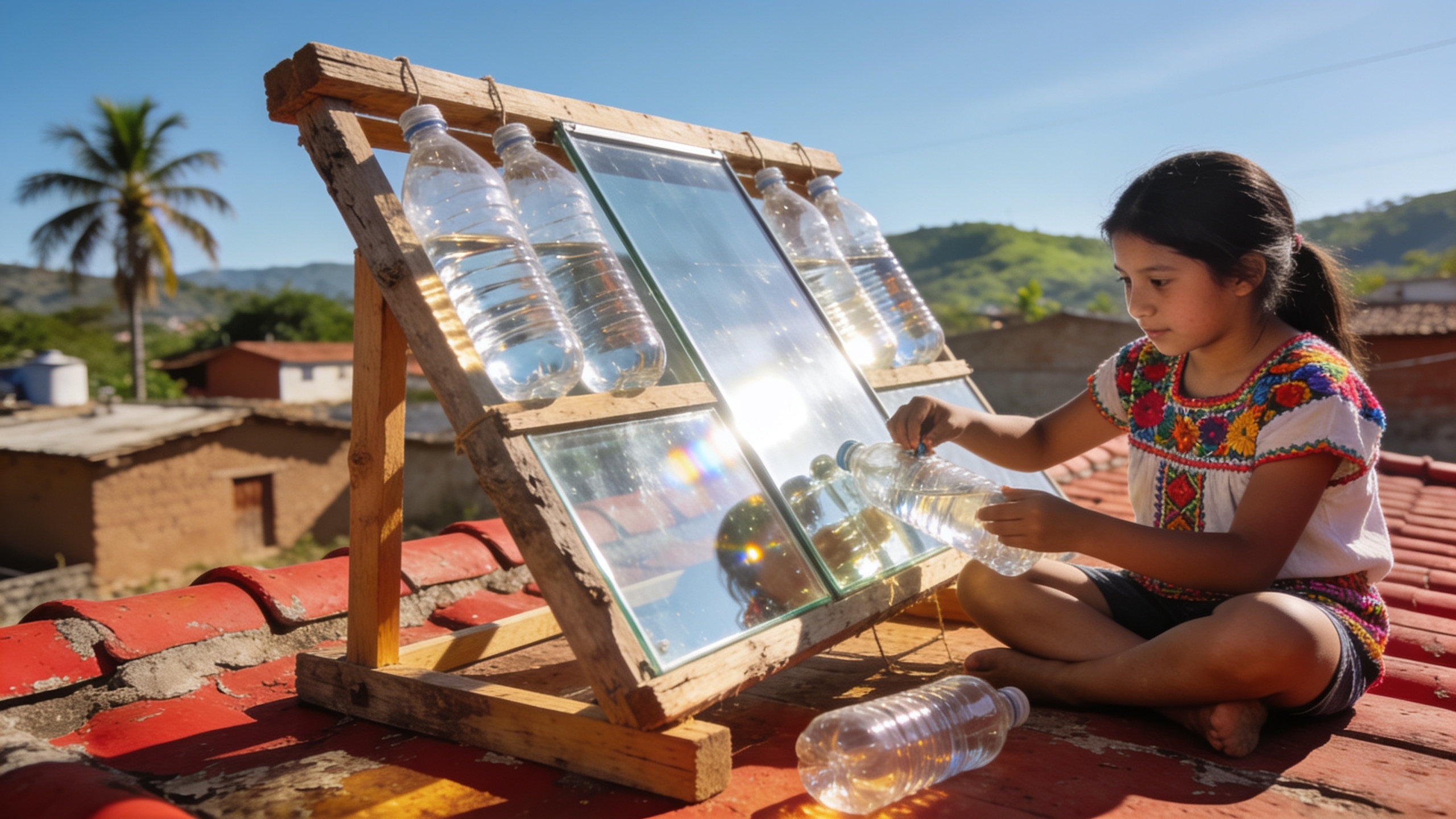
Eight-Year-Old Girl in Chiapas Builds Solar Water Heater from Scrap
At just eight years old, Xóchitl Guadalupe Cruz López from Chiapas designed a solar water heater using discarded materials. Her homemade system helps families access hot water without relying on firewood, reducing both costs and environmental impact. The project has drawn national attention for its ingenuity and social value.
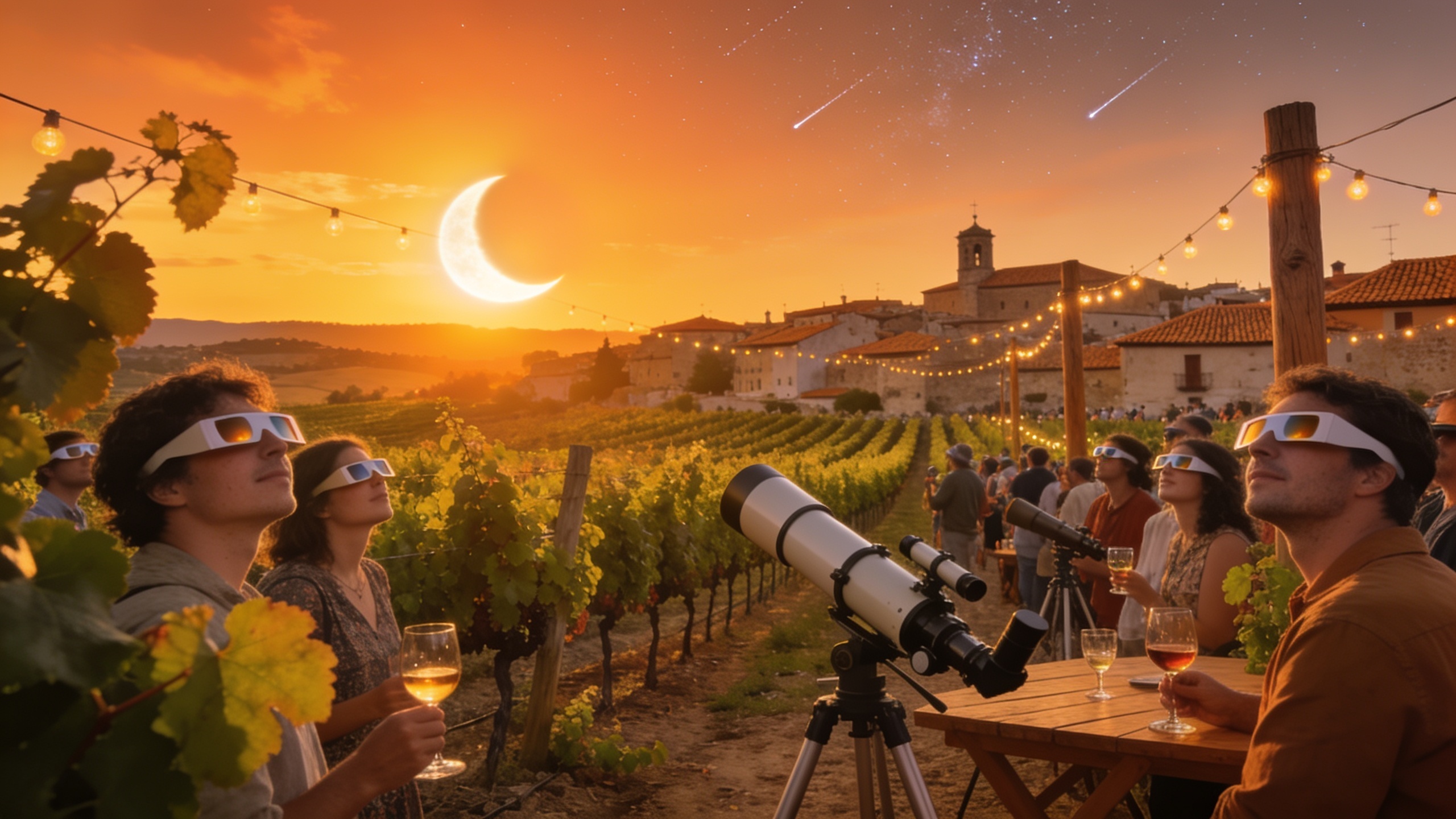
Spain Prepares for Rare Solar Eclipse and Meteor Shower on August 12
On August 12, Spain will see a total solar eclipse in the north and Mallorca. That same night, the Perseid meteor shower will reach its peak. The combination promises a unique sky event for residents and visitors.
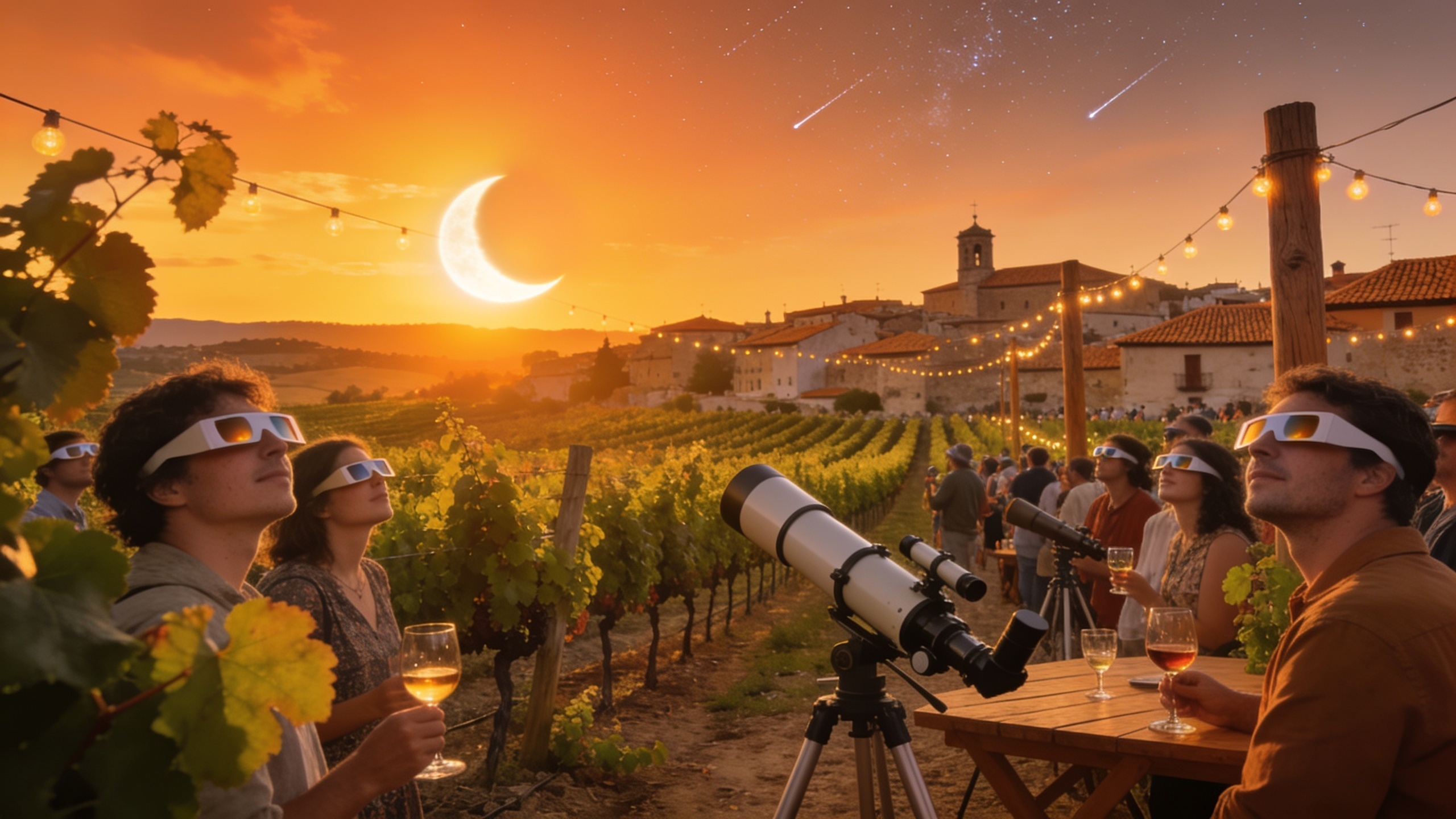
Total Solar Eclipse to Cross Spain: Key Locations and Experiences
On August 12, Spain will witness a rare total solar eclipse. The path of totality will cross major cities and rural areas. Special events are planned in hotels, wineries and scenic towns.

How Many Coffees a Day May Protect Your Liver? Major Study Reveals the Number
A study of over 350,000 people suggests that drinking coffee—regular or decaf—could reduce the risk of cirrhosis, liver cancer, and death from liver disease. Researchers urge caution, noting coffee is no substitute for healthy habits, but the findings highlight a potential benefit for daily coffee drinkers.
Page 7 by 20