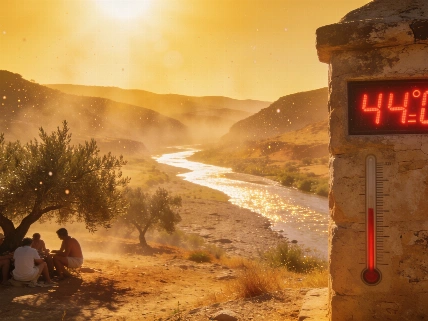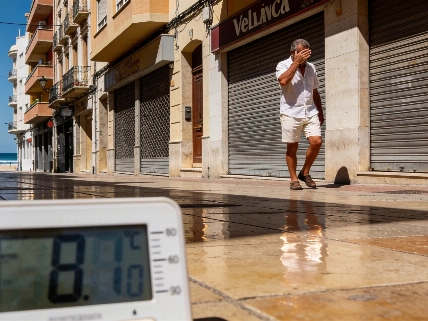
Red Alert for Extreme Heat in Valencia as Temperatures Hit 44°C
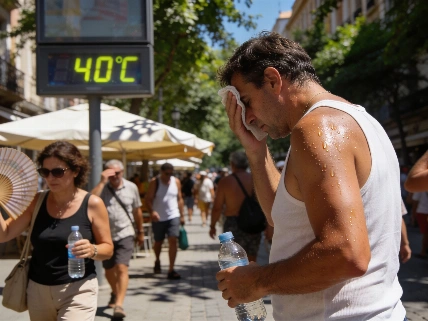
Spain faces a severe heatwave, with a red alert in Valencia and weather warnings in 13 regions. Authorities forecast temperatures of up to 44°C and the risk of storms in several areas.
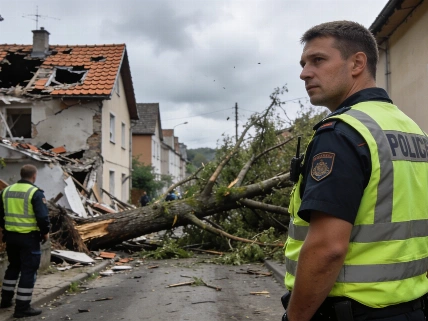
A powerful storm system brought heavy rain and hail to Germany, with strong winds adding to the damage. The Westerwald suffered major damage and power cuts. Authorities warn of ongoing tornado risk and further storms overnight.
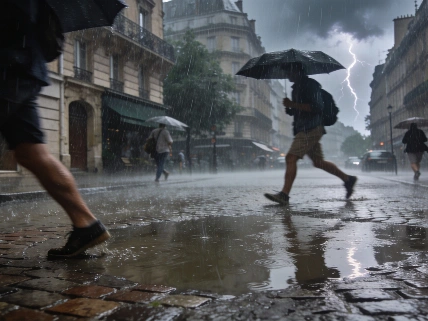
After a series of heatwaves, France faces a sharp change in weather. Intense storms and heavy rainfall are forecast for Thursday and Friday, with authorities issuing multiple weather alerts across the country.
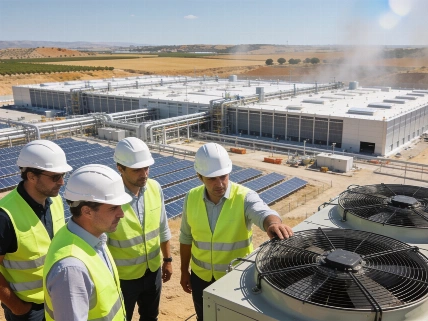
Spain’s bid to host a major European AI gigafactory in Móra la Nova hinges on meeting strict sustainability criteria and operating efficiently during the region’s extreme summer heat. Brussels is scrutinizing the project’s environmental plan as it weighs proposals.
Donald Trump has intensified his opposition to electric vehicles, publicly mocking their owners and questioning the logic behind choosing battery-powered cars. His remarks highlight a deepening divide over the future of transport in the US.
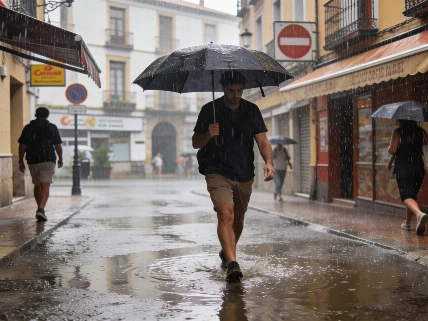
Spain faces a turbulent week as DANA brings storms and a trough increases instability. Weather warnings are active in several regions, and temperatures are set to fall, especially in the north.
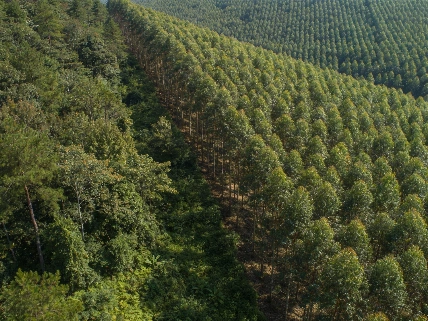
China’s record-breaking reforestation has transformed vast landscapes, but new research finds that monoculture plantations near natural forests are fragmenting habitats and putting bird and pollinator populations at risk. The findings challenge assumptions about the benefits of large-scale tree planting.
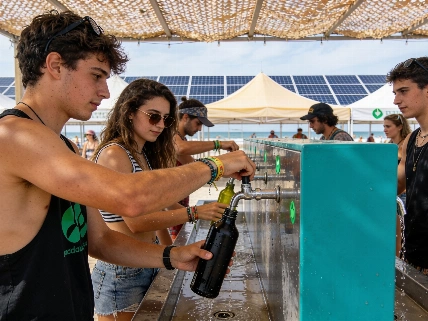
Rototom Sunsplash launches its summer edition in Benicàssim with stronger climate-adaptation measures and has prevented the use of more than three million plastic bottles. Organizers are emphasizing sustainability and heat protection, while also making space for social debates.
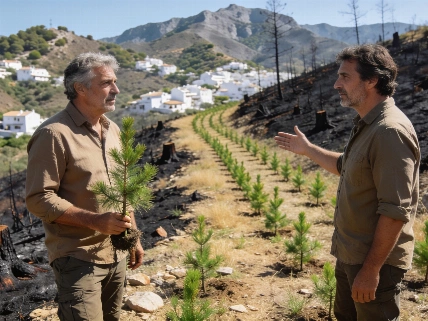
The Sierra de Mijas Ecologist Group has spent four decades confronting wildfires and unchecked construction, amid growing water shortages. Its activism has shaped local policy but faces new challenges as the Costa del Sol grows.
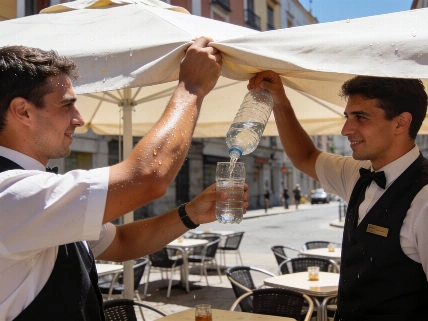
Spain’s hospitality sector faces new climate safety rules after a landmark agreement between unions and employers. The changes focus on protecting outdoor workers during heatwaves but do not require automatic terrace closures or introduce new fines.
France is set for a marked shift in weather. Temperatures will fall sharply, with rain and storms returning to many areas. The change could ease recent heat, but drought conditions are likely to persist.
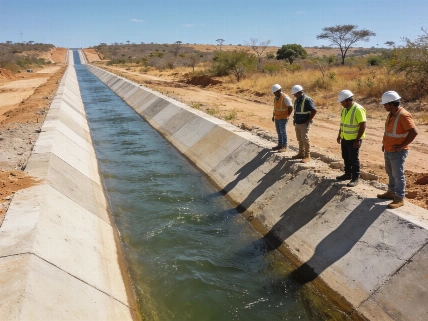
Brazil’s ambitious Cinturão das Águas do Ceará canal is now 92% complete, with water already flowing across 100 kilometres. The project aims to secure water for nearly five million people in Ceará, but full completion has been delayed until 2027.
France is set for unsettled weather as an Atlantic disturbance moves across the country. Rain and strong winds are forecast in many regions, while temperatures remain near autumn levels. Forecasts highlight localized risks from heavy rain and gusts.
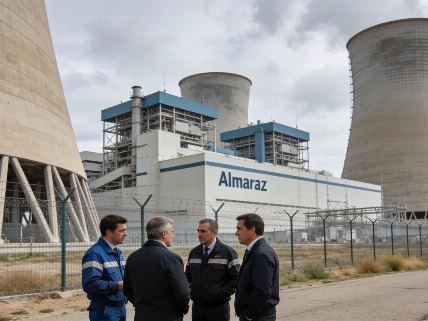
The Spanish government’s decision to extend the Almaraz nuclear plant’s operations until 2030 has triggered a sharp conflict between PSOE and Sumar. The move breaks a basic coalition promise and exposes new political fault lines.
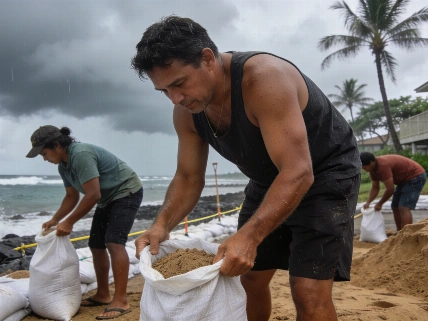
Official records link Tropical Storm Lala to damage on Maui in October 2026. By October 23, the National Weather Service listed Lala in its post-tropical cyclone reports. Forecasts described showers and trade winds across parts of Hawaii.
Spain has recorded its highest annual number of Crimean-Congo hemorrhagic fever cases, with four infections confirmed in 2026, including one death. Health authorities have intensified monitoring and isolation measures.
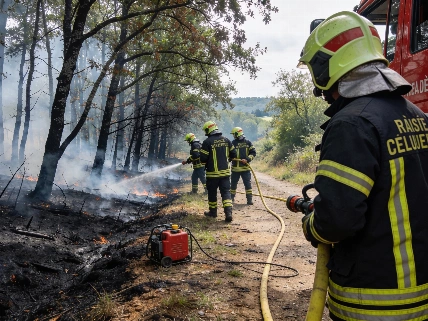
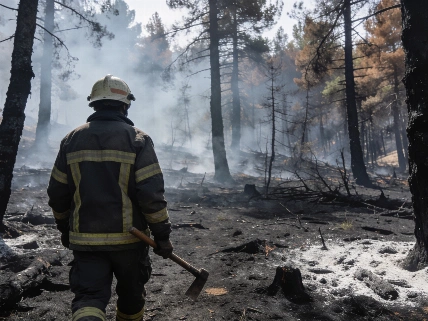
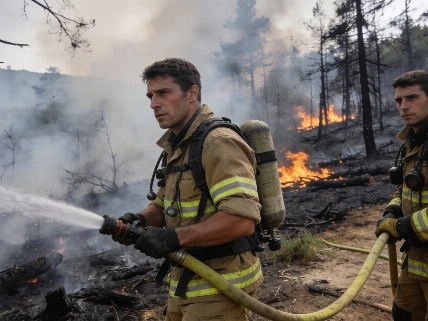
A major wildfire south of Rennes has been contained after burning 230 hectares. Meanwhile, 83 French departments remain under orange heat alert as temperatures reach up to 40°C; several fires remain active.
A DANA will bring intense storms and hail, with possible wind bursts across much of northern and eastern Spain. Authorities have issued orange and yellow alerts, and the most unstable conditions are expected on Saturday.
A global study finds that abandoned farmland is typically left untouched for only 14 years, far short of the 50 years needed to restore carbon storage and biodiversity. The findings come as Spain prepares its national restoration plan ahead of the EU’s 2026 deadline.
Spain faces a surge in extreme heat, with temperatures nearing 42°C in several provinces. Widespread alerts are in place, and authorities warn of increased wildfire risk and severe storms in the coming days.
Aemet has issued yellow alerts for Mallorca as temperatures climb and storm risk rises. Temperatures could reach 38°C, with potentially strong downpours also forecast. The warnings cover Friday and Saturday.
Storm Austen and its fronts will bring unsettled weather to parts of Spain this weekend, while high pressure keeps most of the peninsula stable. Rain and wind alerts are in place in northern and northeastern areas.
Despite record spending, Spain’s wildfire strategy prioritizes containment over true prevention. Most fires are still caused by human activity. Experts warn that current policies leave forests vulnerable and fail to address root causes.
Spain has already lost 226,391 hectares to wildfires in 2026, 38% more than by the same date last year. Authorities warn of a challenging season as record heat and early fires strain emergency services.
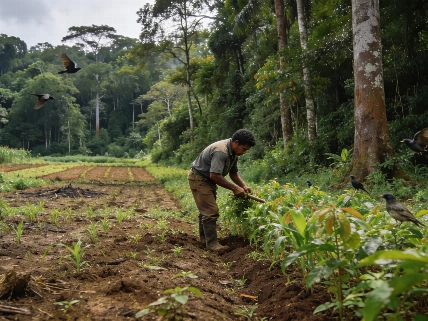
Recent research shows that small-scale agriculture in the Amazon can mask a dramatic loss of biodiversity when viewed across entire landscapes. While individual plots may appear rich in species, the overall region becomes more uniform, threatening unique habitats and wildlife.
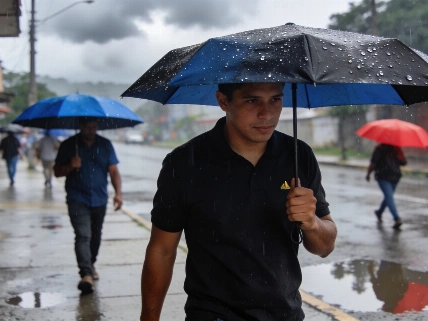
Valencia, Carabobo, will see light rain and high humidity this Wednesday, with temperatures ranging from 22°C to 29°C. Winds will remain mild, though changing conditions may affect daily routines.
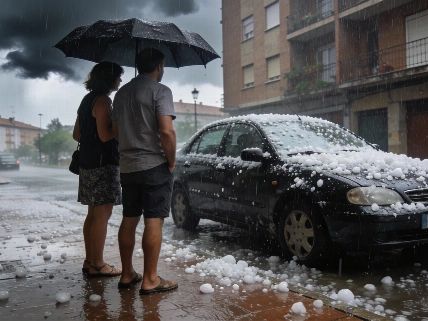
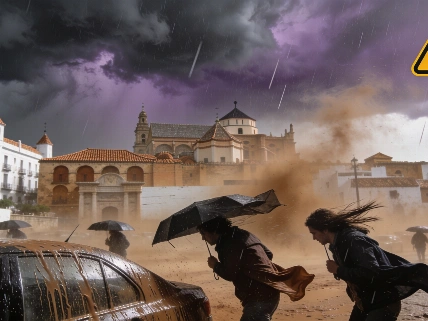
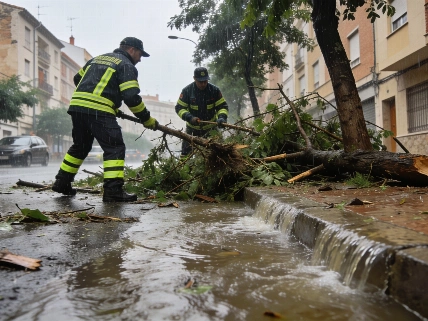
A powerful storm front swept through southern Valencia, bringing winds of up to 176 km/h and intense downpours. Alcoi and Villena recorded exceptional gusts, while hail and flooding affected the area. Emergency crews handled more than 160 incidents in Alicante province.
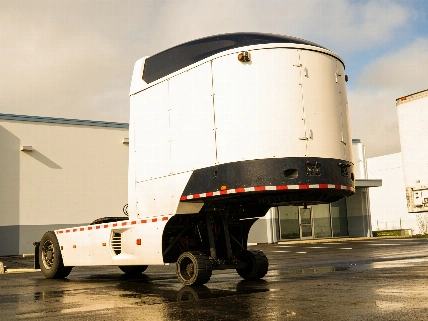
A San Francisco-based company has developed an electric trailer that transforms existing diesel trucks into hybrids without modifying their engines. The system cuts fuel costs and emissions, giving fleets a practical path to modernization.
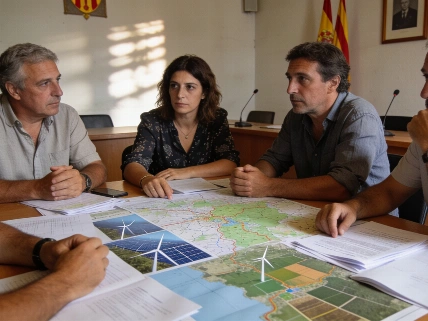
Catalonia’s push for renewables is stalled by more than 12,000 objections, including over 1,300 from local governments. The Plater plan’s future is uncertain as calls grow for its suspension.
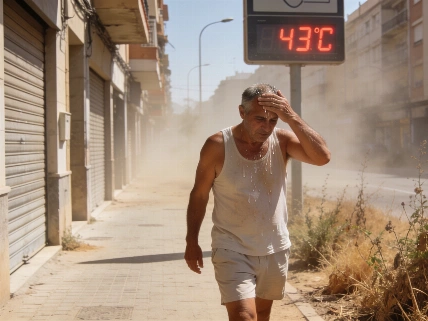
A powerful heatwave will push temperatures in Spain to 43°C. Nights will remain unusually hot, with tropical and torrid conditions in many cities. Saharan dust will worsen air quality across the country.
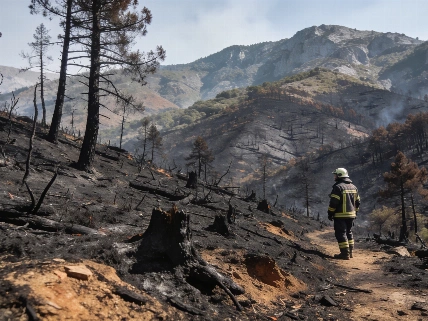
Two major wildfires in Ávila and Vall d’Uixó destroyed thousands of hectares. Both were deliberately set, but the circumstances differ. Authorities are still piecing together what happened and why.
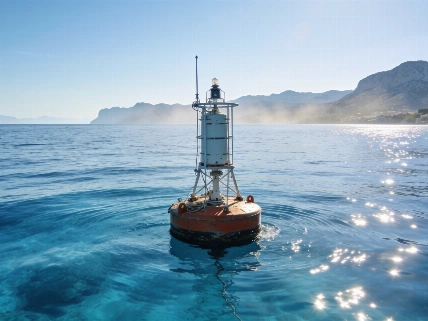
A buoy in Mallorca registered a record 32.1°C in July 2026, highlighting the scale of marine heatwaves affecting nearly the entire Mediterranean. Scientists warn of mounting stress on marine ecosystems and reduced nighttime relief along the coast.
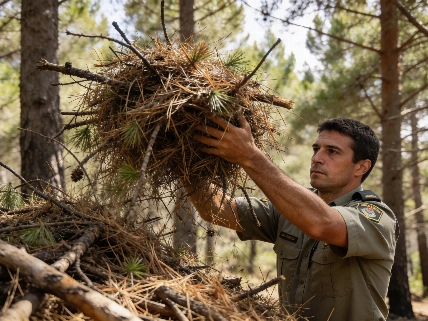
A rural guard’s video shows layers of dry pine needles and branches in a Spanish forest, challenging the idea that climate change alone causes wildfires. The footage highlights forest management and renews discussion of prevention strategies.
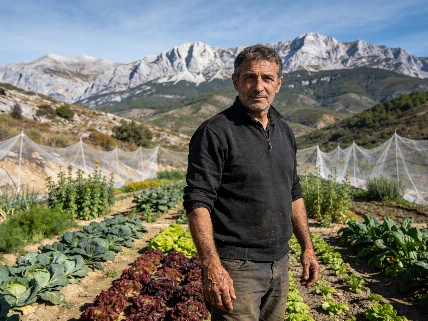
Christian González Aceña, an agricultural engineer, refused a €700,000 offer for his organic farm in Bustarviejo, more than 18 times what he paid. His decision reflects the value he places on biodiversity and sustainable farming, along with leaving a living legacy for his family.
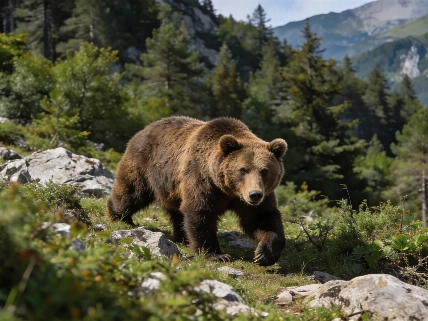
Spain’s brown bear population has rebounded from fewer than 70 to more than 400 in thirty years. New genetic estimates highlight progress and ongoing challenges as bears expand into new regions, raising questions about coexistence and future risks.