History - Page 6 1843 news

How the Opel Corsa Changed Spain’s Roads Forever

The Opel Corsa’s arrival in 1982 marked a turning point for Spain’s car industry. Built in Zaragoza, it quickly became a symbol of mobility and innovation, shaping the country’s automotive field for decades.

Pirineos Orientales Keeps Name After Failed Catalanist Push

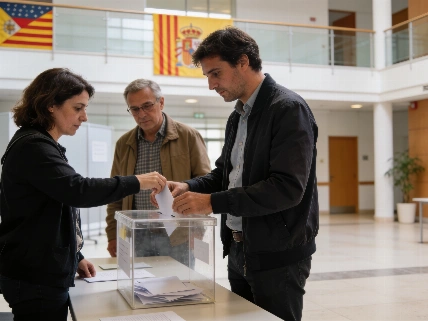
The French department of Pirineos Orientales will not change its name. A public consultation rejected the Catalanist proposal, with only 10% turnout. The result highlights local divisions and the limited impact of independence movements.

Ancient Flood Raised Eresma River by 11 Meters in Segovia

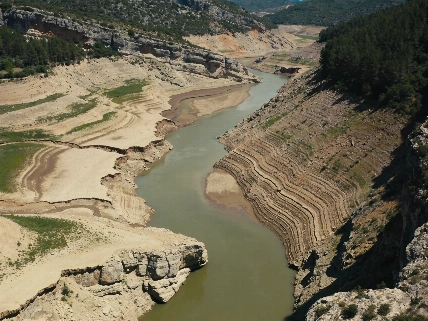
New geological research confirms that a prehistoric flood in Segovia raised the Eresma River by 11 meters. The event, dated to 49,000 years ago, left sediment traces still visible today. Experts highlight its relevance for modern infrastructure planning.

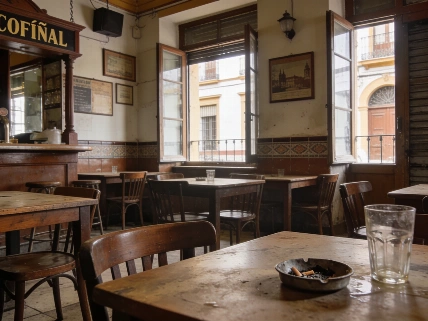
Historic Bar Cofiñal Closes After 50 Years in Seville

Bar Cofiñal, a fixture in Seville’s Los Remedios district since 1976, has closed after more than five decades. The López Fernández brothers, both in their 80s, are retiring, ending an era for a bar known for its traditional cuisine and cinematic charm.

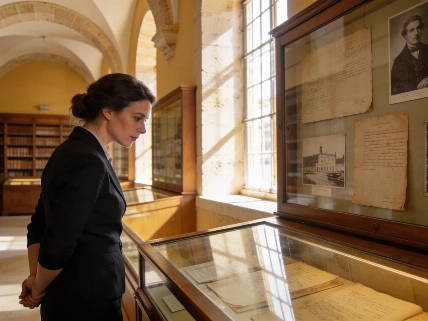
Cádiz Marks 250 Years as Key US Gateway in Spain

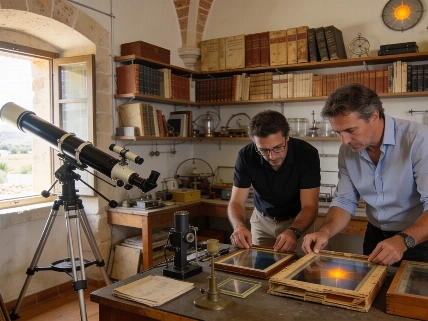
Cádiz’s archive showcases two and a half centuries of US-Spanish ties. The city hosted one of the first US consulates in Spain. Rare documents and photos trace a unique commercial and diplomatic history.

How the Renault Clio Changed Spain’s Roads Forever

When Renault retired the iconic R5, few expected its successor to become a symbol of Spanish mobility. The Renault Clio exceeded expectations, setting new standards for small cars and shaping how Spain moved through the 1990s and beyond.

Catalan Theatre Icon Ángel Alonso Dies at 84

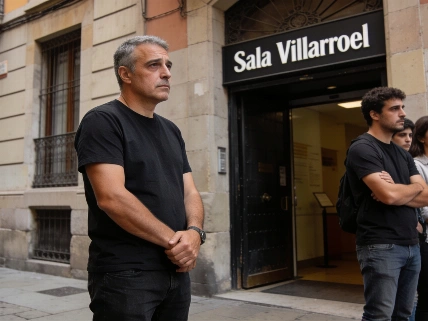
Ángel Alonso, a basic figure in Barcelona’s theatre scene and founder of Sala Villarroel, has died at 84. His legacy includes groundbreaking productions and a lasting impact on Catalan culture.

Japan’s 600-Year-Old Tree Pruning Method That Keeps Forests Alive

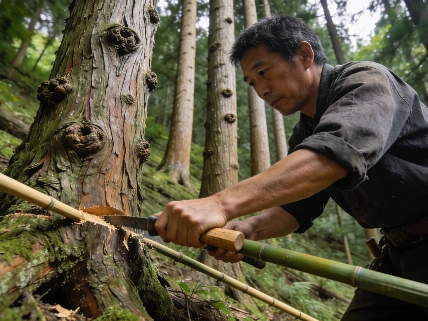
In the forests near Kyoto, a centuries-old method called Daisugi allows wood to be harvested from living cedar trees. This approach produces straight, knot-free timber while preserving the original tree for generations. Tradition and necessity shaped this sustainable forestry practice.